Popular History Movies on Tub Tv - Page 93
All Services
Free Services
 Netflix
 Amazon Prime Video
 Apple iTunes
 Apple TV Plus
 Disney Plus
 Google Play Movies
 Paramount Plus
 Hulu
Hulu
 HBO Max
 YouTube
 fuboTV
 Peacock
 Peacock Premium
 Amazon Video
 The Roku Channel
 AMC+
AMC on Demand
AMC+
AMC on Demand
 Kocowa
 Hoopla
 The CW
 Vudu
Vudu
 Starz
Starz
 Showtime
 PBS
PBS
 Pantaflix
 FXNow
FXNow
 Tubi TV
 Kanopy
 Comedy Central
 Crunchyroll
 Microsoft Store
 Redbox
 Sun Nxt
 ABC
ABC
 DIRECTV
 Crackle
 Fandor
 Plex
Plex
Netflix
Amazon Prime Video
Apple iTunes
Apple TV Plus
Disney Plus
Google Play Movies
Paramount Plus
Hulu
HBO Max
YouTube
fuboTV
Peacock
Peacock Premium
Amazon Video
The Roku Channel
AMC+
AMC on Demand
Kocowa
Hoopla
The CW
Vudu
Starz
Showtime
PBS
Pantaflix
FXNow
Tubi TV
Kanopy
Comedy Central
Crunchyroll
Microsoft Store
Redbox
Sun Nxt
ABC
DIRECTV
Crackle
Fandor
Plex

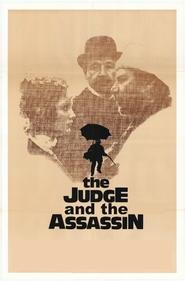
The Judge and the Assassin
1976
star 6.8France, 1893. Joseph Bouvier attempts to shoot his love who refused to marry him and to commit suicide. Upon release from the filthy asylum where he was placed, with bullets still remaining in his head, he wanders the country roads and rapes and murders many teenagers over years. The judge Rousseau captures him, but to serve his ambition seeks to avoid that Bouvier is simply declared insane.Passchendaele
2008
Passchendaele
2008
star 6.1Sergeant Michael Dunne fights in the 10th Battalion, AKA The "Fighting Tenth" with the 1st Canadian Division and participated in all major Canadian battles of the war, and set the record for highest number of individual bravery awards for a single battlePhalanstery
1979
Phalanstery
1979
star 6In the early 19th century the Romanian Theodor Diamant was inspired by the French utopian socialist Charles Fourier and established one of Fourier's "phalansteries" in Rumania. The film dramatizes the origins and demise of this effort, called the "Scaieni Phalanstery (the term is derived from "phalanx" and "monastery"). Among the socio-political commentary that is conveyed throughout, there is an important collusion between the army and the wealthy landowners of the time, and as the film points out in its own way, neither of these groups has ever been convicted of socialist/utopian tendencies.The Emperor in August
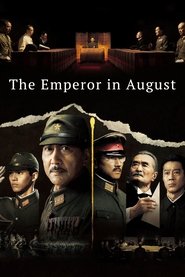
2015
star 6.4In July 1945, during the end of World War II, Japan is forced to accept the Potsdam Declaration. A cabinet meeting has continued through days and nights, but a decision cannot be made. The U.S. drops atomic bombs on the cities of Hiroshima and Nagasaki, Japan. General Korechika Anami is torn over making the proper decision and the Emperor of Japan worries about his people. Prime Minister Kantaro Suzuki leads the cabinet meeting, while Chief Secretary Hisatsune Sakomizu can't do anything, but watch the meeting. At this time, Major Kenji Hatanaka and other young commissioned officers, who are against Japan surrendering, move to occupy the palace and a radio broadcasting station. The radio station is set to broadcast Emperor Hirohito reading out the Imperial Rescript on the Termination of the War.The Woman in Black
1989
The Woman in Black
1989
star 6.9When a friendless old widow dies in the seaside town of Crythin, a young solicitor is sent by his firm to settle the estate. The lawyer finds the townspeople reluctant to talk about or go near the woman's dreary home and no one will explain or even acknowledge the menacing woman in black he keeps seeing.Breakpoint: A Counter History of Progress
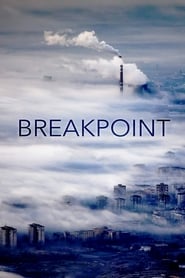
2019
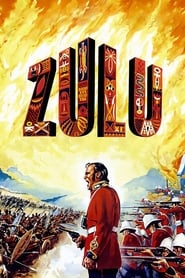
star 7.7An account of the last two centuries of the Anthropocene, the Age of Man. How human beings have progressed so much in such a short time through war and the selfish interests of a few, belligerent politicians and captains of industry, damaging the welfare of the majority of mankind, impoverishing the weakest, greedily devouring the limited resources of the Earth.Zulu
1964
Zulu
1964
star 7.4In 1879, during the Anglo-Zulu War, man-of-the-people Lt. Chard and snooty Lt. Bromhead are in charge of defending the isolated and vastly outnumbered Natal outpost of Rorke's Drift from tribal hordes.Foxhole
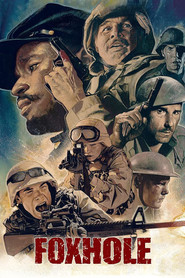
2021
Foxhole
2021
star 6.1Unfolding over the span of 36 hours in three separate wars – The American Civil War, World War I, and Iraq – FOXHOLE follows five soldiers confined in a foxhole as they grapple with morality, futility, and an increasingly volatile combat situation. Casting the same five actors in each episode, the film depicts the shifting roles of race and gender over time against the backdrop of the seemingly endless human struggle for power and domination. (Olivia Belluck)Port Arthur
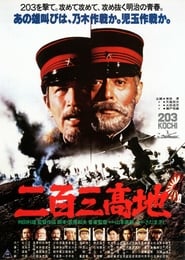
1980
Port Arthur
1980
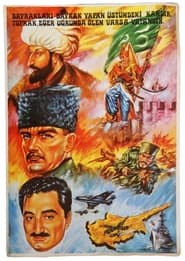
star 7.3Depicts the bloody siege of the fortress of Port Arthur, one of the most strongly fortified positions in the world, during the Russo-Japanese War of (1904 - 1905). In the story dominated the character Lt Takeshi Kogyo (Teruhiko Aoi), teachers, and a reserve officer who became commander of the platoon and later company. At the same time monitors the conduct of the army commander general Nogi (Tatsuya Nakadai), which was commissioned of the emperor Matsuhito (Toshirô Mifune) to the conquest of the fort.September 12: From Cyprus to Frontline
1998
Turkish democracy got over the 27th of May and the 12th of March and set off again, but the storm did not subside and the mutual reckoning was not over. On the contrary, new fronts were opened in the country and blood began to flow like a gutter. Finally, on September 12, there was a knock on the door again. Those who came that day changed everything, everything. Nothing would ever be the same again, nothing would be the same as before.Devil's Rope
2014
Devil's Rope
2014
star 8The history of barbed wire, whose use dates back to the first settlers of the Wild West, always driven by their reckless and ruthless spirit of conquest and selfish ambition to leave their mark on wild lands; of its relationship with politics and mercantilism; of the perversion of the millenary relationship between men and animals; of the evolution of surveillance techniques. Fences and borders: the tragic tale of the enclosure of the world.The 21
2024
The 21
2024
star 5A short film honoring the 21 Coptic men martyred by ISIS in Libya in 2015, produced in the style of Coptic iconography by a global team of more than 70 artists from more than 24 countries. The film is narrated in English, with Arabic dialogue. Subtitles have been produced in English, Arabic, French, Spanish and Russian.The Six Triple Eight
2024
The Six Triple Eight
2024
star 7.5During World War II, the US Army's only all-Black, all-women battalion takes on an impossible mission: sorting through a three-year backlog of 17 million pieces of mail that hadn't been delivered to American soldiers and finish within six months.Invitation
1986
Invitation
1986
star 5The main character is Anna, an outstanding pediatrician. She survived the harsh years of war in a concentration camp and cannot accept the behavior of her daughter Natalia, who uses her connections and cares only about material goods. Anna is reminded of 1939, when Piotr, who had been missing for forty-five years, arrives in Poland. Together, they visit places that are important to them: Auschwitz, Sachsenhausen, and Ravensbruck.Melchior the Apothecary
2022
star 6.6In medieval Tallinn, a famous knight who is freed from the pirates of the Baltic Sea is murdered. The hero's head is cut off and his mouth is stuffed with coins. The gold chain he bought the same day is missing. The bailiff orders Melchior, an apothecary, to investigate the crime. The clever young man discovers that the slain was looking for a mysterious "Tallinn prisoner" and the traces lead to the Dominican monastery. A fabulous sequence of bloodwork is unleashed - anyone who comes into contact with this secret is in danger of dying.Japan's Longest Day
1967
Japan's Longest Day
1967
star 7.2Following the detonation of the atomic bombs on Hiroshima and Nagasaki, the Japanese military and the government clash over the demand from the Allies for unconditional surrender. Minister of the Army Anami leads the military officers who propose to fight on, even to the death of every Japanese citizen. Emperor Hirohito, however, joins with his ministers in asking the unthinkable, the peaceful surrender of Japan. When the military plots a coup to overthrow the Emperor's civilian government, Anami must face the choice between his desires and loyalty to his Emperor.Bonnie & Clyde
2016
Bonnie & Clyde
2016
star 7Bonnie Parker and Clyde Barrow embark on a two-year crime spree during the Great Depression and become known as the most famous criminal couple in U.S. history. In reality, as this film reveals, Bonnie and Clyde grew up in the slums of West Dallas and had little in common with their glamorous media images.