Popular War Movies on Tub Tv - Page 302
All Services
Free Services
 Netflix
 Amazon Prime Video
 Apple iTunes
 Apple TV Plus
 Disney Plus
 Google Play Movies
 Paramount Plus
 Hulu
Hulu
 HBO Max
 YouTube
 fuboTV
 Peacock
 Peacock Premium
 Amazon Video
 The Roku Channel
 AMC+
AMC on Demand
AMC+
AMC on Demand
 Kocowa
 Hoopla
 The CW
 Vudu
Vudu
 Starz
Starz
 Showtime
 PBS
PBS
 Pantaflix
 FXNow
FXNow
 Tubi TV
 Kanopy
 Comedy Central
 Crunchyroll
 Microsoft Store
 Redbox
 Sun Nxt
 ABC
ABC
 DIRECTV
 Crackle
 Fandor
 Plex
Plex
Netflix
Amazon Prime Video
Apple iTunes
Apple TV Plus
Disney Plus
Google Play Movies
Paramount Plus
Hulu
HBO Max
YouTube
fuboTV
Peacock
Peacock Premium
Amazon Video
The Roku Channel
AMC+
AMC on Demand
Kocowa
Hoopla
The CW
Vudu
Starz
Showtime
PBS
Pantaflix
FXNow
Tubi TV
Kanopy
Comedy Central
Crunchyroll
Microsoft Store
Redbox
Sun Nxt
ABC
DIRECTV
Crackle
Fandor
Plex

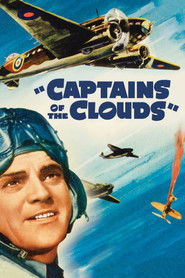
Captains of the Clouds
1942
star 6.4Inspired by Churchill's Dunkirk speech, brash, undisciplined Canadian bush pilot Brian MacLean and three friends enlist in the RCAF.Heaven on Earth
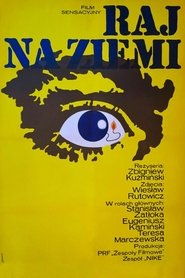
1970
Heaven on Earth
1970
star 5Polish sappers try to prevent Wehrwolf soldiers from blowing up a chemical factory.The Lonely House
1950
The Lonely House
1950
Basia and her aunt live in peace far away from war efforts. One day that peace is shattered when a concentration camp prisoner, a communist activist seeks refuge in their house.Our Algeria
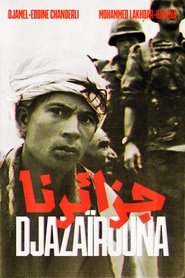
1959
Our Algeria
1959
star 10"Djazaïrouna", produced by the cinema service of the Provisional Government of the Algerian Republic (GPRA), is a montage film intended to inform the international community at the UN in 1959 on the objectives pursued by the Algerian resistance during the war of 'Algeria. Independence in Algeria (1954-1962). In 1959, Djamel-Eddine Chanderli and Mohammed Lakdar-Hamina produced Djazaïrouna (Our Algeria) from images taken by René Vautier and Doctor Pierre Chaulet. This film, completed a little later and will result in the film “The Voice of the People”. This documentary on the history of Algeria through a montage of current events, traces the political and military actions of the A.L.N, the demonstrations of December 1960, and the attack on a fortified French base on the border between Algeria and Tunisia.11.11.18
2024
11.11.18
2024
On November 11, 1918, amidst the chaos of the western front, a German aviator narrowly escapes death in a crash near a Belgian trench. Forced to conceal his identity, he embarks on a perilous journey to evade capture and reunite with his comrades. However, as suspicions arise among his adversaries, his covert mission becomes increasingly fraught with danger.The Exodus of Messolongi
1966
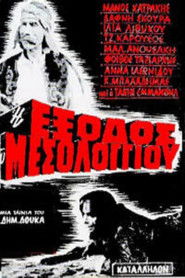
star 5The last days of the historic siege of Messolonghi. The film depicts the whole situation that prevailed in the city after the Turkish siege for many months, and tells the courageous effort of its defenders who are attempting a heroic and desperate exodus.Star Of Hope - Part Two: Mkhitar Sparapet
1978
Second movie of the two part film about David Bek and Mkhitar Sparapet's major Armenian uprising against Safavid Persia in the Syunik region in the 18th century. Part two tells the story of Mkhitar Sparapet.Nobody Wanted to Die
1966
Nobody Wanted to Die
1966
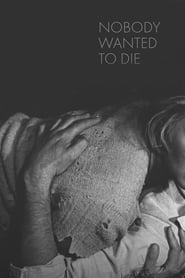
star 5.3The film is set in Lithuania after the Second World War. It shows dramatic events in a small Lithuanian farming community, where people are split between the Soviets and the "brothers in the woods", who are fighting to defend their land from the Soviets after the end of the Second World War.Let There Be Light
1946
Let There Be Light
1946
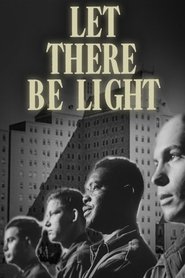
star 7.4The final entry in a trilogy of films produced for the U.S. government by John Huston. Some returning combat veterans suffer scars that are more psychological than physical. This film follows patients and staff during their treatment. It deals with what would now be called PTSD, but at the time was categorised as psychoneurosis or shell-shock. Government officials deemed this 1946 film counterproductive to postwar efforts; it was not shown publicly until 1981.Guest
1939
Guest
1939
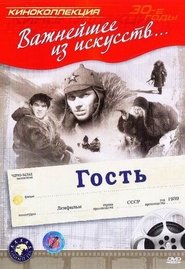
A young Nenets hunter exposes a saboteur who has infiltrated the territory of the USSR, who at first poses as a doctor who has gone astray, and then makes the hunter his hostage.The Gay Retreat
1927
The Gay Retreat
1927
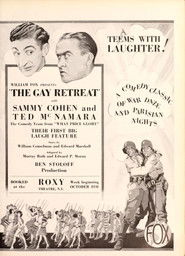
Rich boy Dick Wright, rejected by both the Army and the Navy because he is a sleepwalker, joins an ambulance unit during the war with his chauffeur and valet tagging along to protect him. They accidentally get aboard a regular troop train, arriving in France as members of the U. S. Army. Following a series of comic adventures with a hard-boiled sergeant, Ted and Sam succeed in capturing a detachment of Germans, receiving decorations for their bravery. Along the way, the boys engage in romantic interludes with Betty and Joan, respectively American and French.The Fire Boy
1978
The Fire Boy
1978
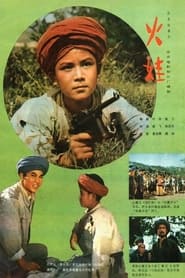
In 1950, Xiao Sun, a scout of the People's Liberation Army, comes to the mountainous area of Zhawangzhai to track down a Kuomintang bandit commander.A Forbidden God
2013
A Forbidden God
2013
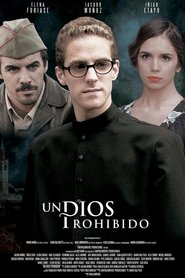
star 7August 1936, the beginning of the Spanish Civil War. 51 members of the Claretian community of Barbastro (Huesca) are martyred, die for their faith. The film recounts the last weeks of his life, since they are held until they are finally shot. During that time, they perform various writings they talk about their situation, of his fellow captives, people who saw them. These writings have been the basic testimony used to narrate this real fact in film version.Death of a Schoolboy
1990
Death of a Schoolboy
1990
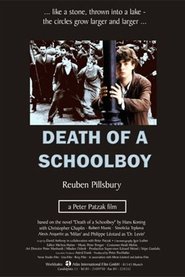
star 2On June 28, 1914 Archduke Franz Ferdinand of Austria was shot to death in Sarajewo. His assassination caused a chain of events that brought about World War I and the downfall of old Europe. Who is the assassin? Who is GAVRE PRINCIP, a man that fate brought into the center of world attention. The subject of the film is not the historical background but rather the psychological makeup of PRINCIP at the age of seventeen.With Heart & Soul
2009
With Heart & Soul
2009
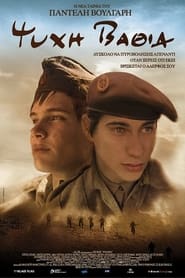
star 6.8Two brothers are fighting on opposite sides during the Greek Civil War.The American Dream
2011
The American Dream
2011
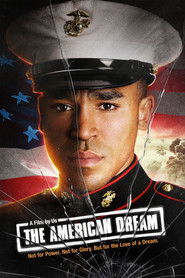
star 3Armed with dreams that extend beyond their block, Luis and Ronald, two best friends from Los Angeles, videotape their last 36 hours before shipping off to Afghanistan. One hundred days before Obama's inauguration, these young men have joined the Marines together to face the obstacles and circumstances that seem to overwhelm their passage into manhood. Luis wants to be a filmmaker and Ronald wants to travel the world and raise a family. Through the lens of Luis's video camera, they capture their friends, family members and places they call home - to remember who they are and where they come from. In their darkest hour, they turn on the video camera for the last time and document the final moments of their journey home. They soon realize that their dreams and promises of a new life mean nothing in a place called War.Chips, the War Dog
1990
Chips, the War Dog
1990
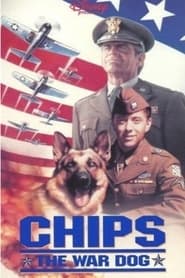
star 8.5In this made-for-tv movie, misfits Danny Stauffer and Chips (a chicken-chasing German shepherd) are teamed up in the Army's "Dogs for Defense" program during WWII.Final Reprisal
1988
Final Reprisal
1988
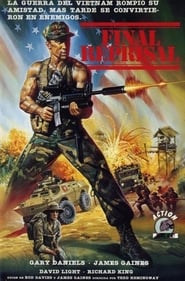
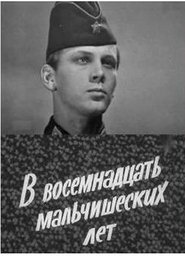
star 6Sergeant David Callahan leads a task force of U.S. Marines on a failed mission. Five years later, working as an adviser to Thai Special Forces, he is forced to return to the Vietnamese P.O.W. camp he escaped years before, to fight a deadly duel.At Eighteen Boyish Years
1974
About the life of fighter pilot Timur Frunze, who died heroically in an unequal battle with the Nazi invaders near Moscow.The Threatening Sky
1966
The Threatening Sky
1966
star 10Pro-Vietnamese film created by Dutch filmmaker Joris Ivens. This black and white film begins with an introduction by Bertrand Russell, who explains the history of the run-up to the American involvement in Vietnam. The film shows scenes of Vietnamese soldiers in trenches, American helicopters, agricultural workers, and children assembling anti-aircraft shells. A narrator speaks of the American invasion as being on par with the Germans during World War II and characterizes the Vietnamese as resistance fighters. Anti-American protests are shown. Ivens is shown interviewing Ho Chi Minh. Vietnamese villagers build dams for rice paddies, make traps using bamboo spikes, and take cover during air raids. Scenes include the headquarters of the National Liberation Front, a military execution, bombings, and villagers fighting back against US aggression.