Popular War Movies on Tub Tv - Page 335
All Services
Free Services
 Netflix
 Amazon Prime Video
 Apple iTunes
 Apple TV Plus
 Disney Plus
 Google Play Movies
 Paramount Plus
 Hulu
Hulu
 HBO Max
 YouTube
 fuboTV
 Peacock
 Peacock Premium
 Amazon Video
 The Roku Channel
 AMC+
AMC on Demand
AMC+
AMC on Demand
 Kocowa
 Hoopla
 The CW
 Vudu
Vudu
 Starz
Starz
 Showtime
 PBS
PBS
 Pantaflix
 FXNow
FXNow
 Tubi TV
 Kanopy
 Comedy Central
 Crunchyroll
 Microsoft Store
 Redbox
 Sun Nxt
 ABC
ABC
 DIRECTV
 Crackle
 Fandor
 Plex
Plex
Netflix
Amazon Prime Video
Apple iTunes
Apple TV Plus
Disney Plus
Google Play Movies
Paramount Plus
Hulu
HBO Max
YouTube
fuboTV
Peacock
Peacock Premium
Amazon Video
The Roku Channel
AMC+
AMC on Demand
Kocowa
Hoopla
The CW
Vudu
Starz
Showtime
PBS
Pantaflix
FXNow
Tubi TV
Kanopy
Comedy Central
Crunchyroll
Microsoft Store
Redbox
Sun Nxt
ABC
DIRECTV
Crackle
Fandor
Plex

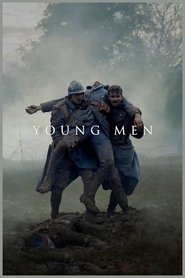
Young Men
2017
Young Men
2017
star 6.4Fields of France, during the First World War. A group of young soldiers, united by the indiscriminate brutality of battle, fights to maintain their humanity in an endless cycle of combat and death.The Guns of Fort Petticoat
1957
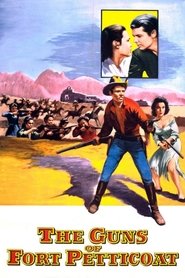
star 6.3Opposing his commanding officer's decision to attack a group of innocent Indians and wipe them out, Lt. Frank Hewitt leaves his post and heads home to Texas. He knows that the attack will send all of the tribes on the warpath and he wants to forewarn everyone. He gets a chilly reception back home however. With most of the men away having enlisted in the Confederate army Frank, a Union officer, is seen by the local women as a traitor. He convinces them of the danger that lies ahead and trains them to repel the attack that will eventually come.50 Years of Cyprus: Black and white hopes
1999
32.Day, a news classic by Mehmet Ali Birand, is with you this time with the documentary 50 Years of Cyprus!To Survive Until Dawn
1977
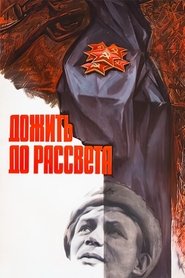
star 6On December 6, 1941, the troops of the Western Front launched an offensive near Moscow. And before that, in the autumn of 1941, when the fascists were at Moscow, ten soldiers under the command of a lieutenant went into the enemy terrain to blow up the ammunition base.Nobody Can Stop the Revolution
1976
Combining collage animation and live action, this short depicts the achievements of the Chilean people under the Allende government and the subsequent reversal of this progress following the military coup. The collages were created by East German media artist Lutz Dammbeck; the Chilean artists Juan Forch and Vivienne Barry did the animation.A Hero from 64
1910
A Hero from 64
1910
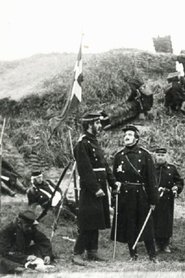
star 4Everything is peace and quiet at the family Kemp's house in Sønderborg, but danger is lurking outside their doors. The war has just begun, and the young Valdemar Kemp goes away to fight for his mother country. The Danish soldiers put up a brave fight on the battlefield, but the German army is to strong. One after the other, Valdemar's friends are slaughtered, and his hopes of reuniting with his girlfriend and family slowly fade. (stumfilm.dk)Burmar Pathe
1947
Burmar Pathe
1947
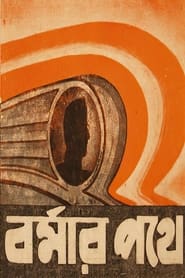
The rustic girl left this world and went to heaven. Her Painful memories are what remains behind. The injustice exploitation is suffocating. These conflicts within the unfortunate soil of India have taken many lives. There’s cruelty amongst mankind. There’s injustice and exploitation everywhere. People struggle for their rights. There’s a storm raging in every heart and soul. The earth shivers and wreaks havoc. The raging waves clash on the shores. This enlightens the soul. We can hear the song of a great soul at a distance. It calls out. It calls out to us, to break free from the shackles. We can hear his call. Come Forward. Break free from the shackles. Fight back for freedom. Set yourself free. We’ve sacrificed our lives for the freedom of new India.Hunting Down the Nazis
2007
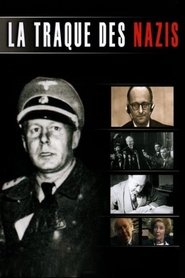
star 7.4For the first time, a film recounts the story of the long pursuit of Nazis in hiding from 1945 to the present day. Sixty years of investigations, set-backs trials and dramas, brought about principally by three extraordinary individuals—the Austrian Simon Wiesenthal, and the German-French couple, Beate and Serge Klarsfeld.The Manhattan Front
2017
The Manhattan Front
2017
In 1915, a German saboteur comes to Manhattan. Co-opting progressive labor politics, he provokes a neutral America into World War I.No Trespassing
1975
No Trespassing
1975
star 7.2The film follows the stories of a handful of characters: Andrei (Radescu), who finds himself in conflict with his peers; Colonel Maxineanu (Stanculescu), the school commander; and Adrian (Mavrodineanu), a young villager who is inspired by the bravery of the cadets. The Hungarians arrive and launch a series of attacks against the Romanians. The Axis are pushed back again and again, despite superior numbers and weaponry. At the end of the film, they launch one last attack, which seems to momentarily begin breaking through. Just at that moment, reinforcements from the Soviet and Romanian armies arrive, pushing the Hungarians back.Purple Sunset
2001
Purple Sunset
2001
star 7.3A Soviet Russian lady officer, a Chinese peasant and a Japanese schoolgirl must walk their way out of a forest toward the end of World War II, despite their mutual distrust of one another.A Lecture on Camouflage
1944
star 4.9Using Snafu as an example, Techanical Fairy First Class teaches the methods of effective camouflage.I Will Fight No More Forever
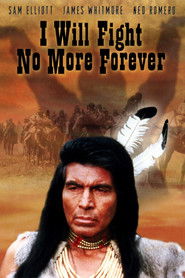
1985
star 6.7Pursued by 2,000 US soldiers and cavalry, Chief Joseph leads his tribe of 800 Nez Perce on a 1,700 mile journey across the West and towards Canada. Based on the true story of the westward expansion of the United States and the military force used to displace Native Americans from their lands.My Uprising
2014
My Uprising
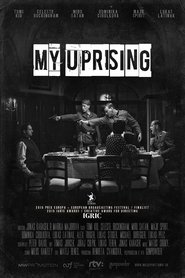
2014
A short film about the heroism of ordinary people during the Slovak National Uprising, portrayed by popular Slovak personalities.Silent Night in Algona
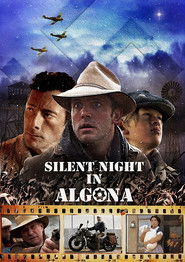
2022
star 6A depiction of a small Iowa town hosting a prisoner of war camp during World War II in 1944.Tobruk
2008
Tobruk
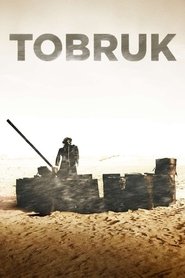
2008
star 5.1It is the story of Jiri and Jan, two Czech soldiers, battling alongside the allied forces against the Germans, during World War II in Tobruk, Libya. Jiri Pospichal, eighteen years old, signs up as a volunteer in the Czechoslovak army. His naive ideas about heroism are rawly confronted with the hell of the African desert, complicated relationships in his unit and the ubiquitous threat of death.Camp de Thiaroye
1988
Camp de Thiaroye
1988
star 7.4A Senegalese platoon of soldiers from the French Free Army are returned from combat in France and held for a temporary time in a military encampment with barbed wire fences and guard towers in the desert. Among their numbers are Sergeant Diatta, the charismatic leader of the troop who was educated in Paris and has a French wife and child, and Pays, a Senegalese soldier left in a state of shock from the war and concentration camps and who can only speak in guttural screams and grunts.Time for Cherries
1991
Time for Cherries
1991
star 8Muki, a reserve soldier serving in Lebanon just before the IDF's retreat,is trying to document his soon-to-come death.Albert Ball: Missing Ace
2002
British Ace and hero Albert Ball was perhaps the Allies' best known flyer of the Great War. Originally an infantryman, Ball was one of the first members of the Royal Flying Corps but, on 7th May 1917, he would depart for his last fight. While engaged in a ferocious dog fight with the Germans over northern France he was seen heading into heavy cloud cover with his machine guns blazing. That was the last time anyone ever saw him alive. Official German records claim that Lothar Von Richtoffen, brother of the Red Baron, shot Ball down but this was never officially confirmed and remains a mystery of the war.