Popular War Movies on Tub Tv - Page 364
All Services
Free Services
 Netflix
 Amazon Prime Video
 Apple iTunes
 Apple TV Plus
 Disney Plus
 Google Play Movies
 Paramount Plus
 Hulu
Hulu
 HBO Max
 YouTube
 fuboTV
 Peacock
 Peacock Premium
 Amazon Video
 The Roku Channel
 AMC+
AMC on Demand
AMC+
AMC on Demand
 Kocowa
 Hoopla
 The CW
 Vudu
Vudu
 Starz
Starz
 Showtime
 PBS
PBS
 Pantaflix
 FXNow
FXNow
 Tubi TV
 Kanopy
 Comedy Central
 Crunchyroll
 Microsoft Store
 Redbox
 Sun Nxt
 ABC
ABC
 DIRECTV
 Crackle
 Fandor
 Plex
Plex
Netflix
Amazon Prime Video
Apple iTunes
Apple TV Plus
Disney Plus
Google Play Movies
Paramount Plus
Hulu
HBO Max
YouTube
fuboTV
Peacock
Peacock Premium
Amazon Video
The Roku Channel
AMC+
AMC on Demand
Kocowa
Hoopla
The CW
Vudu
Starz
Showtime
PBS
Pantaflix
FXNow
Tubi TV
Kanopy
Comedy Central
Crunchyroll
Microsoft Store
Redbox
Sun Nxt
ABC
DIRECTV
Crackle
Fandor
Plex

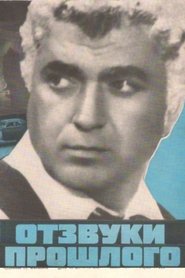
Echoes of the Past
1971
Echoes of the Past
1971
The well-known scientist was a spy in Germany during the Great Patriotic War, and he managed to obtain information about a secret German facility.The Enemy General
1960
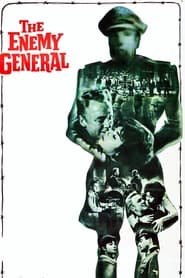
The Enemy General
1960
star 5.5OSS agent, working with the French underground, ambushes Nazi convoy with high-ranking general, who escapes. Later they take him from a Nazi prison and smuggle him to England.The Aircraft Rocket, Part 4: Tactics, Section 2: Coastal
1944
One of a series of World War II-era RAF training films, this instalment instructs Coastal Command pilots on proper formation and firing techniques for interdicting enemy shipping.Algeria 1943: A Colony Under Vichy Control
2022
star 7World War II, June 1940. France has fallen and suffers the relentless boot of Nazi Germany. But Algeria, the prized French colony in North Africa, remains part of the territory controlled by the Vichy regime of Marshal Pétain. A strict colonial order is maintained: the French of European origin rule, while local Jews are stripped of French citizenship and discrimination against the mainly Muslim population increases.Special Forces Squad
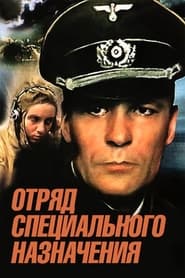
1987
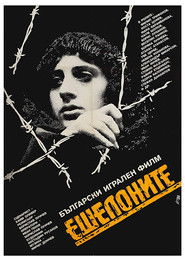
Echelons of Death
1986
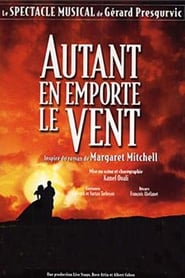
Gone With the Wind
2003
Gone With the Wind
2003
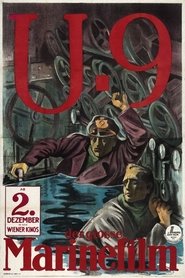
star 7.6Autant en emporte le vent is a French musical adaptation of the 1936 Margaret Mitchell novel Gone with the Wind produced by Dove Attia and Albert Cohen in 2003, with music and lyrics by Gérard Presgurvic and staging and choreography by Kamel Ouali.U 9 Weddigen
1927
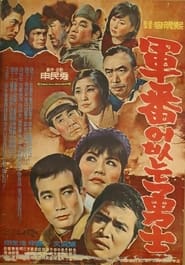
A Hero without a Serial Number
1966
In around the 1950s. A man in charge of a guerilla unit is hiding in the Masingryeong Mountains. On the other hand, his brother, a high government official in the North Korean Ministry of Defense has his father killed blaming him a reactionary. He suffers greatly from the guilt of killing his father and finally decides to give himself up to his brother's guerilla unit. Tragically, however, he is shot to death on his way to the unit to surrender. At his last breath, in his brothers arms, he gives his brother the logistics secrets of the North Korean army.I'll Say So
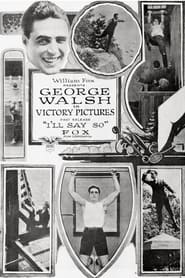
1918
I'll Say So
1918
Hearing that the United States has just declared war on Germany, Bill Durham hurries to a recruiting station to enlist, but because he has flat feet, he is rejected. He falls in love with Barbara Knowles, whose guardian, August Myers, unknown to Barbara, is a German agent. When Bill learns that Myers plans to stir up trouble on the border of the United States and Mexico, he catches the train to New Mexico and routs out Myers' gang of bandits.Meet the Navy
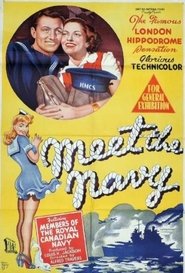
1946
Meet the Navy
1946
star 4.5During World War II, the Canadian Navy gathered a troupe of diverse performers (dancers, comedians, singers, musicians) from its ranks and sent them off to entertain their shipmates, and the show/revue ultimately played London's Hioopodrome. The acceptance was based more on wartime-London's appreciation of the gallantry of Britain's sons and daughters from over the seas than it was on the artistic value of the show or the talent of the performers. The film is a fictional/fact mixture of the adventures of the troupe members, and the ending, only part filmed in Technicolor, is primarily the Revue as seen at the Hippodrome.The Elusive Jan
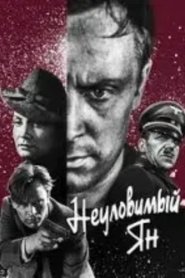
1943
The Elusive Jan
1943
star 6The film is about the struggle of Czechoslovak patriots against the Nazi invaders during the years of fascist occupation. The plot of the film is based on actual events that were reported after that time.Grounded (Between Borders)
2026
When war erupts in Ukraine, three women from different worlds collide at the Romanian border: an Italian woman searching for her missing husband and unborn child, a Romanian mother fighting to save her daughter, and a young Ukrainian surrogate forced to choose between survival and motherhood. Blending documentary reality with fiction, the film explores resilience, sacrifice, and the fragile bonds that emerge in times of conflict.How I Unleashed World War II, Part I: The Escape
1970
star 7.6On the night of August 31, 1939, Dolas, from a platoon reinforcing a train station on the German border, falls asleep in a train car and unknowingly crosses into Germany. The moment he shoots a German, who he thinks is a saboteur, the German invasion of Poland begins, and Dolas is convinced it was his fault. He is taken to Stalag POW camp, the first destination in his odyssey around Europe.Pietro Micca
1938
Pietro Micca
1938
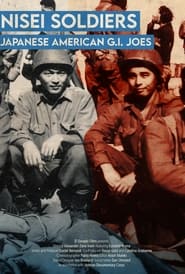
An 1938 Italian historical war film that portrays the life and death of Pietro Micca who was killed in 1706 at the Siege of Turin while fighting for the Duchy of Savoy against France in the War of the Spanish Succession.Nisei Soldiers: Japanese American G.I. Joes
2017
Leaving internment camps to defend their country in Europe, Japanese-American Nisei soldiers of WWII became the most decorated unit in American history.The Birthday
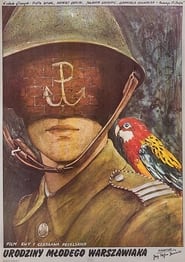
1980
The Birthday
1980
star 7The four sequences in the film cover four days in a life of young Warsaw lad in September 1938, 1939, 1943 and 1944. In the first sequence Jurek decides not to study in the Sorbonne but enlists in a Polish military school instead. In the second sequence the war starts and Warsaw is occupied. In the third sequence he works in the underground resistance. The final sequence takes place during the Warsaw uprising.Of Animals and Men
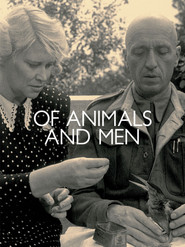
2019
Of Animals and Men
2019
star 7.8The key aim of every ZOO is to protect animal species from extinction. In times of war, the most endangered species was the man. Under the Nazis' noses, about 300 people, mainly Jews, found shelter at the Warsaw Zoo during the Second World War. With the help of reenacted scenes with animals, interviews with the survivors, and archive footage, we are going to revive the surreal atmosphere of those events.Mrs. Tư Hậu
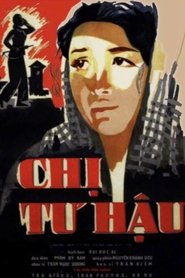
1963
Mrs. Tư Hậu
1963
star 7Tư Hậu is a common woman from a fishing village whose husband has gone away to fight in the revolution. She takes care of her young daughter as well as her aging father-in-law. Soon, her peaceful village is attacked.