Popular War Movies on Tub Tv - Page 483
All Services
Free Services
 Netflix
 Amazon Prime Video
 Apple iTunes
 Apple TV Plus
 Disney Plus
 Google Play Movies
 Paramount Plus
 Hulu
Hulu
 HBO Max
 YouTube
 fuboTV
 Peacock
 Peacock Premium
 Amazon Video
 The Roku Channel
 AMC+
AMC on Demand
AMC+
AMC on Demand
 Kocowa
 Hoopla
 The CW
 Vudu
Vudu
 Starz
Starz
 Showtime
 PBS
PBS
 Pantaflix
 FXNow
FXNow
 Tubi TV
 Kanopy
 Comedy Central
 Crunchyroll
 Microsoft Store
 Redbox
 Sun Nxt
 ABC
ABC
 DIRECTV
 Crackle
 Fandor
 Plex
Plex
Netflix
Amazon Prime Video
Apple iTunes
Apple TV Plus
Disney Plus
Google Play Movies
Paramount Plus
Hulu
HBO Max
YouTube
fuboTV
Peacock
Peacock Premium
Amazon Video
The Roku Channel
AMC+
AMC on Demand
Kocowa
Hoopla
The CW
Vudu
Starz
Showtime
PBS
Pantaflix
FXNow
Tubi TV
Kanopy
Comedy Central
Crunchyroll
Microsoft Store
Redbox
Sun Nxt
ABC
DIRECTV
Crackle
Fandor
Plex

Раскаты
0000
Раскаты
0000
A film about love, a hero with PTSD who returned from the SVO, and his difficult choice.Fight to the Finish
2020
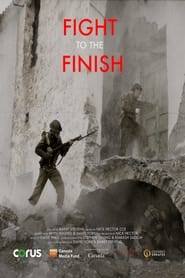
Fight to the Finish
2020
Marking the 75th Anniversary of the end of WWII, the documentary features the first-hand accounts of the Canadians who fought in the worst war in human history. Raw and personal experiences of the terror, pride, horror, excitement, friendship and loss – told through the eyes of the people who fought it.A Second Knock at the Door
2012
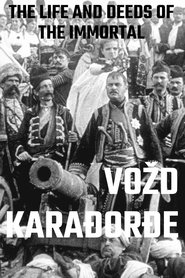
star 5In the works for over two years, A Second Knock at the Door offers a rare glimpse into the lives of military families dealing with the loss of loved ones to friendly fire. Through interviews and investigative reports obtained through the Freedom of Information Act, this documentary explores several key incidents in which the families of the fallen were forced to embark on a quest for the truth after the Army attempted to bury the true cause of death within the 'fog of war.'The Life and Deeds of the Immortal Vožd Karađorđe
1911
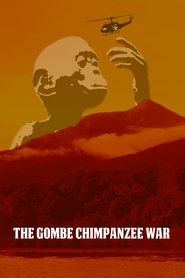
star 5.2A biography of Karađorđe, the famed leader of the rebellion against the Ottoman Empire in 1804, tracing his whole life from childhood until his death in 1817.The Gombe Chimpanzee War
2020
A hard-hitting first person recount of the Gombe Chimpanzee War, told from the perspective of a melancholic veteran.Defence of Madrid
1936
Defence of Madrid
1936
This cinematic travelogue consists of three parts. In the first part, texts and small maps are our guides through Madrid in 1936. We see pictures of daily life against the background of the fascist shillings. A sad portrait of destroyed houses, the search for survivors under the rubble, and children's corpses in small wooden coffins. Central to the second part is the defence of liberty. Images from the front alternate with fragments of the besieged city. The last part deals with the aid given to and still needed by the town; an appeal is made to give money for medicines. This film breathes an unfaltering belief in a favourable close: unconditional victory. At the time, the film was a great success and yielded a lot of money for medical aid to Spain.Maynila
1946
Maynila
1946
Along The Jinsha River
1963
In 1936, the Long March of the Red Army passed through the Tibetan area by the Jinsha River. The Kuomintang colluded with the great local tyrant Qiu Wanli in an attempt to prevent the Red Army from crossing the river north. Qiu Wanli asks his minions to pretend to be the Red Army and rob the chieftain Sangge's only daughter Zhuma to provoke the relationship between the chieftain and the Red Army. The Red Army adhered to the party's ethnic policy, rescued Zhuma, and crossed the Jinsha River to the border of Tibetan areas. Qiu again sneaked into the Tibetan area. He said that Zhuma had been killed by the Red Army and provided ammunition and weapons for the chieftain to fight the Red Army. In order to expose the enemy's rumors, the Red Army instructor Jin Ming took a squad to escort Zhuma home.Khaspush
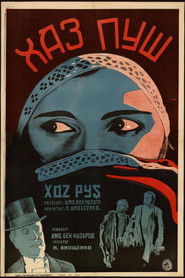
1928
Khaspush
1928
star 1The movie is about the suppressed revolt of "khaspushes", Persian peasants and craftsmen in 1891.8 Minutes Of War
2025
8 Minutes Of War
2025
Following the gripping predecessor 6 Minutes of War, which was set on the Eastern Front, this short film now takes you to the Western Front of World War II. In intense images, and only eight minutes long, the film depicts the struggle for survival, the brutality of war, and the fates of soldiers caught between chaos and hope.Pero espero el día
2024
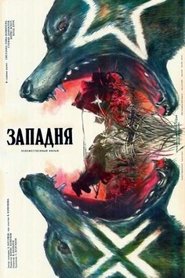
Trap
1989
Trap
1989
At the heart of the story is a rural schoolteacher who, in 1944, leaves his native Bessarabia as the Red Army advances with heavy fighting. The gentle, cultured Sebastian Radu has every reason to avoid meeting the so-called liberators. And not just because one of the new regime’s first measures will be a background check, and Radu will have to write “noble” in the “social origin” field. The point is, our protagonist already has some experience dealing with representatives of the “new world.”Vietnam, Love Is the Final Destination
2025
This documentary is narrated in the first person by Mei‑Chen Chalais, who recounts her own life story — a childhood marked by the Vietnam War, her mother’s courage, and their journey from Hanoi to Saigon, and eventually to France.The Dead Don't Sing
1965
The Dead Don't Sing
1965
A two-part television film based on the novel of the same name by Rudolf Jašík, depicting a realistic picture of life and interpersonal relationships during World War II in the mixed Slovak-German environment of the town of Pravna and the nearby village of Planice, as well as life and relationships between soldiers on the Eastern Front. From this perspective, the plot follows a unit of Slovak soldiers, their realisation that they are fighting for foreign interests, their dissatisfaction and distrust of everything, especially their officers.Monaco. A Rock for Eternity
2010
The computer animated film, presented at the Shanghai World Expo 2010, tells the story of the tiny state of Monaco, located on the Mediterranean Sea. Important stages in the history of the now world-famous principality are shown, from the mythological beginnings through the warlike Middle Ages to modern times including the prestigious Grand Prix of Monaco to close finally with a science fiction look into the future of Monaco.Runda 6
1965
Runda 6
1965
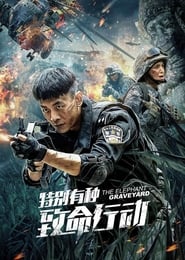
star 6In August 1944, when Hitler's troops were leaving the territory of Romania under the onslaught of the Soviet Army, German intelligence developed a plan under the code name "Round 6", the fulfillment of which was to destroy the oil industry. But as a result of a complex and dangerous struggle, the Romanian patriots managed to destroy the intrigues of the enemies.The Elephant: Graveyard
2020
The team of Chinese peacekeeping police Ding Yin was raided while performing a peacekeeping mission in a certain country. Ding Yin led his companions Li Dashi, Rena, Trafal, and Lijiao into the dense forest, but fell into the "elephant mound" that is difficult to escape. Several people of different identities and backgrounds face the test of life and death and human choices. Will Ding Yin break out of the puzzle?Minus One
2010
Minus One
2010
star 6.5When three soldiers from am Army Reserve unit are called to fight in the Middle East, they must prepare themselves for the possibility of never returning home.