Popular War Movies on Tub Tv - Page 489
All Services
Free Services
 Netflix
 Amazon Prime Video
 Apple iTunes
 Apple TV Plus
 Disney Plus
 Google Play Movies
 Paramount Plus
 Hulu
Hulu
 HBO Max
 YouTube
 fuboTV
 Peacock
 Peacock Premium
 Amazon Video
 The Roku Channel
 AMC+
AMC on Demand
AMC+
AMC on Demand
 Kocowa
 Hoopla
 The CW
 Vudu
Vudu
 Starz
Starz
 Showtime
 PBS
PBS
 Pantaflix
 FXNow
FXNow
 Tubi TV
 Kanopy
 Comedy Central
 Crunchyroll
 Microsoft Store
 Redbox
 Sun Nxt
 ABC
ABC
 DIRECTV
 Crackle
 Fandor
 Plex
Plex
Netflix
Amazon Prime Video
Apple iTunes
Apple TV Plus
Disney Plus
Google Play Movies
Paramount Plus
Hulu
HBO Max
YouTube
fuboTV
Peacock
Peacock Premium
Amazon Video
The Roku Channel
AMC+
AMC on Demand
Kocowa
Hoopla
The CW
Vudu
Starz
Showtime
PBS
Pantaflix
FXNow
Tubi TV
Kanopy
Comedy Central
Crunchyroll
Microsoft Store
Redbox
Sun Nxt
ABC
DIRECTV
Crackle
Fandor
Plex

Billy Bishop Goes to War
2010
Pajama-clad and elderly, WWI Flying Ace Billy Bishop wanders around his relic-filled attic reminiscing about his battle years.Friend of War
1993
Friend of War
1993
star 1The film is set during World War II in a German-occupied European country. In a covered truck on a snow-covered road, the Germans are transporting a group of civilians. Thoughts of imminent death inevitably visit the passengers of the van. The Catholic priest accompanying the arrested, among whom there is a boy, prepares the companions to leave for another world. A complex psychological conflict arises between the priest and the boy. Circumstances develop in such a way that the boy manages to escape.Ingeniously Taking Mount Hua
1953
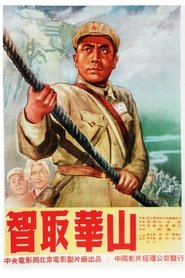
After the major campaigns, the Liberation War’s focus shifted to the northwest. Hu Zongnan retreated south, and Fang Zhiqiao led his remnants to Mount Hua, known for its rugged terrain. Fang deployed forces at key passes, but a military intelligence officer, with herbalist Chang Shenglin’s help, cut off enemy communication by reaching the North Peak. A political offensive led to the surrender of the enemy at Qianshi Zhuang, controlling all passages between the North and West Peaks. Trapped, Fang Zhiqiao’s troops, with shattered morale, launched a futile counterattack, leading to his despairing lament.Fighting Sea-Fleas
1944
Fighting Sea-Fleas
1944
First half of film portrays life in port, including rum issue, distribution of letters, and taking on ammunition, the remainder tells the story of an action against German S-boats, in a stock-shot compilation including some captured film. Officers briefed; boats leave harbour, put to sea, "action", a Nazi naval flag is reclaimed from wreckage in the sea, and the motor torpedo boat (MTB) returns to port flying it below the British White Ensign. Film ends with a sequence showing the funeral of a Canadian seaman.Short Subject
1967
Short Subject
1967
star 5.5Short Subject [commonly known as Mickey Mouse in Vietnam] is a 16mm underground animated short film. Mickey Mouse enlists with the army and ships off to Vietnam.Son of the Streets
0000
Son of the Streets
0000
Stuck in Shatila refugee camp without an identity, Khodor is a loud, unpredictable teenager whose life revolves around pigeons, fleeting relationships, and a system that won't recognize him. As his stepmother fights to secure an ID that would grant him freedom beyond the camp, access to education, and health care, Khodor's wild spirit and charm leave us wondering-can a boy with no papers ever find a way out?Breathe
2024
Breathe
2024
A defecting soldier is faced with caring for an orphan she encounters as they try to escape a dictatorship.The Last Air Raid Kumagaya
1993
The central character is a 7 year old girl called Sachiko. She has just lost her immediate family in the firebombing of Tokyo and takes the train to her uncle’s family in Kumagaya in Saitama Prefecture. She is not out of danger yet, for the train gets shot at by a plane along the journey. Her uncle meets her at the station and he and his whole family welcome her with open arms. With her cousins, Sachiko explores the beauty of the natural landscape around Kumagaya. Sadly, these beautiful days of late summer are not to last. The final movement of the film depicts the final air raid of the war. The city descends into fear and chaos and Sachiko gets separated from her family with tragic results.White Mountains
2006
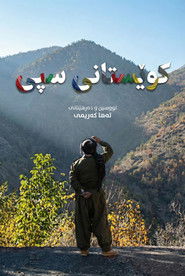
White Mountains
2006
star 7An old man is collecting the bodies of the dead in the fighting between the local parties and believes that everyone is the same and fighting for the same purpose.A New Life Tomorrow
2021
A New Life Tomorrow
2021
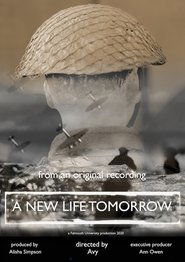
star 10The experimental stop motion story of a London boy in World War 2, we witness war drawing inexorably closer as he comes of age. 14 when war begins, our young hero lives through bombings, the evacuation of his siblings, the privations of wartime. Yet he survives and even thrives. He sets out to search for his friend in the East End during those turbulent and frightening times, and with his own voice tells his story with a wit and verve few would believe today. Finally we leave him at the brink on D-Day, a hero already in the making.Mutiny
1929
Mutiny
1929
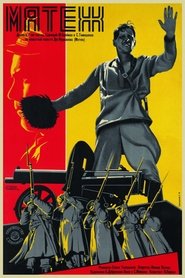
Central Asia during the Civil War. The Jarkent battalion of the Red Army, located in the Verny (now Alma-Ata), receives an order from Frunze to go to the Fergana region to fight the Basmachi. A group of kulaks, with the support of local merchants and beys, incites the unconscious, wavering mass of the Red Army to revolt. The anti-Soviet agitation of counter-revolutionaries, demagogically exploiting the mood of war weariness, provokes an open mutiny in the battalion.Cognacq-Jay
1994
Cognacq-Jay
1994
With the armies of the Liberation at the gates of Paris, station manager Kurt Heyzmann receives an order from his superiors to withdraw. As a farewell, he decides to prepare one last prestigious program, to be filmed and broadcast live. Kleischter, a Gestapo lieutenant, emerges to try and spoil the show, by antagonizing Heyzmann and his employees. He believes that the war is not over, and continues to hunt down potential Jews and STO deserters on the TV premises.Shanghai 1937: Where World War II Began
2018
star 7The Battle of Shanghai has been described as the last battle of World War I, and the first battle of World War II. It was a warning to the world, a warning that was ignored. And it was the place where the destiny of modern China was set in motion. Based on the book “Shanghai 1937: Stalingrad on the Yangtze” by Danish author Peter Harmsen, this film introduces key figures in the conflict, chronicles how the battle unfolded over the course of three months, and explores the aftermath and years of war that followed.A Distant Shore: African Americans on D-Day
2007
The role of African American soldiers during the World War II Allied invasion of Normandy.Lena Kostenetskaya
1969
Lena Kostenetskaya
1969
The civil war separated families on opposite sides of the barricades. How to understand this situation for a young girl who is being raised by a rich aunt, while her father leads a partisan detachment.The Abadanis
1994
The Abadanis
1994
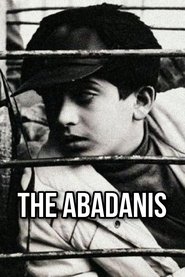
star 5The car of a war refugee who is now living in Tehran is stolen. He with the help of his son begins a desperate search for finding his stolen car. Meanwhile he meets a man who can help him and his son Borna is too after his missing eyeglasses.Orange Flavored Love
2023
Orange Flavored Love
2023
star 10In Mosul, Nawal takes care of her ailing mother Samia. The mother’s condition gets worse as medicine is no longer available in the city. In the few days she has left, Nawal, her mother and their neighbor share small moments of joy. The ladies sing and dance, they use make-up and make scents, they tell jokes and laugh too hard. In the midst of illness, poverty and war, they manage to transform something dire into something joyful, creating beauty where ugliness strikes.The Silent Route
2024
The Silent Route
2024
Sheridan's Ride
1913
Sheridan's Ride
1913
A re-enactment of Gen. Sheridan's ride from Winchester Cedar Creek to rally retreating Union soldiers and defeat Gen. Early. A love story involving the general is also told.New Life
2015
New Life
2015
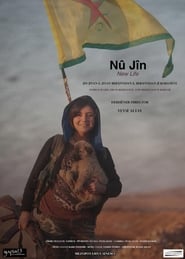
"Nû Jîn", New Life, with the slogan ' Woman is life. Life is resistance and resistance is Kobanê', depicts the daily life of women guerillas, Elif Kobanê (18), Vîyan Peyman and Arjîn, joining in the Women's Protection Units (YPJ) in their battle against ISIS. The documentary relates the ISIS assault of 15 September 2014 and the five-month resistance by the YPJ and People's Defense Units (YPG) through the lens of three women fighter