Popular Documentary TV Shows on Pantaflix - Page 285
All Services
Free Services
 Netflix
 Amazon Prime Video
 Apple iTunes
 Apple TV Plus
 Disney Plus
 Google Play Movies
 Paramount Plus
 Hulu
Hulu
 HBO Max
 YouTube
 fuboTV
 Peacock
 Peacock Premium
 Amazon Video
 The Roku Channel
 AMC+
AMC on Demand
AMC+
AMC on Demand
 Kocowa
 Hoopla
 The CW
 Vudu
Vudu
 Starz
Starz
 Showtime
 PBS
PBS
 Pantaflix
 FXNow
FXNow
 Tubi TV
 Kanopy
 Comedy Central
 Crunchyroll
 Microsoft Store
 Redbox
 Sun Nxt
 ABC
ABC
 DIRECTV
 Crackle
 Fandor
 Plex
Plex
Netflix
Amazon Prime Video
Apple iTunes
Apple TV Plus
Disney Plus
Google Play Movies
Paramount Plus
Hulu
HBO Max
YouTube
fuboTV
Peacock
Peacock Premium
Amazon Video
The Roku Channel
AMC+
AMC on Demand
Kocowa
Hoopla
The CW
Vudu
Starz
Showtime
PBS
Pantaflix
FXNow
Tubi TV
Kanopy
Comedy Central
Crunchyroll
Microsoft Store
Redbox
Sun Nxt
ABC
DIRECTV
Crackle
Fandor
Plex

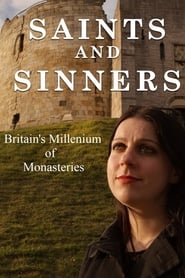
Saints and Sinners: Britain's Millennium of Monasteries
2015
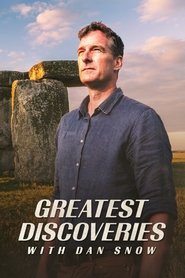
star 8Janina Ramirez discovers how monasteries shaped all aspects of medieval Britain and created a dazzling array of art, architecture and literature, a story of faith, sacrifice, violence and corruption.Greatest Discoveries with Dan Snow
2022
Dan Snow breathes new life into incredible archaeological discoveries, including an in-depth exploration of each discovery, delving into the history, myths, and legends surrounding these ancient sites. Through interviews with experts and on-site exploration, Snow brings these fascinating stories to life, offering a fresh perspective on some of the world’s most renowned archaeological wonders.Goodbye Deutschland!
0000
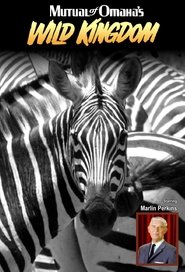
Mutual of Omaha's Wild Kingdom
1963
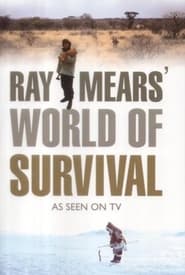
star 9.3Premiering in 1963 broadcast on prime-time from 1968-1971 and airing in syndication until 1988 the Emmy Award-winning Mutual of Omaha's Wild Kingdom was one of the longest-running and most beloved television series of all time. A pioneer of the narrative nature-documentary format the educational series followed venerable host and ecologist Marlin Perkins (later joined by Jim Fowler Peter Gros Stan Brock and Tom Allen) as he trekked to the farthest reaches of the globe to study wild animals in their natural habitats.Ray Mears' World of Survival
1997
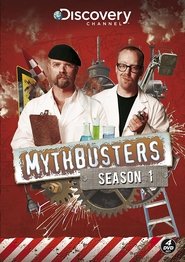
star 6Ray Mears' World of Survival is a survival television series hosted by Ray Mears. The series airs on the BBC in United Kingdom, it is also shown on Discovery Channel in the United States, Canada, India, Italy, Brazil, New Zealand, Australia, Norway, Sweden, The Netherlands and Russia. The show was first broadcast in 1997 with "The Arctic", and ended in 1998. It would be followed by Extreme Survival. In World of Survival, Ray demonstrates his wilderness skills and is taught new skills in every episode, like rubbing two sticks together to make fire. The show also has a cult status. Due to its popularity, more Ray Mears shows have since been produced.流言终结者(精选版)
2021
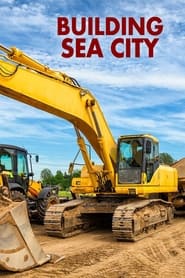
Building Sea City
2011
Building Sea City
2011
A passionate team of experts are struggling to realize a dream: bringing dead land to life and creating a ’sea-city’ in the middle of the desert.Street Food Icons
2018
Dan Cruickshank's Adventures in Architecture
2008
star 6Historian and writer Dan Cruickshank celebrates architecture as a creative force as he explores the world's greatest cities, buildings and monuments.Ancient Superstructures
2020
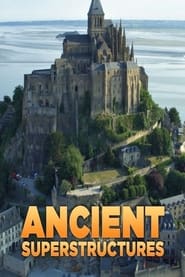
star 8.7"Ancient Superstructures“ reveals the secrets behind the world’s most famous monuments. Some of the ancient marvels which are among the most studied and scrutinized monuments in the world still remain shrouded in mystery. What if the answers were right in front of us… but invisible to the human eye? This ground-breaking series takes a unique approach in delving into engineering mysteries behind the world’s most famous ancient structures, by observing them from different perspectives of scale. From satellite imagery and aerial views right down to macro and microscopic levels, each perspective reveals data that helps shed new light on historical and construction enigmas that have baffled historians for years.Tutankhamun with Dan Snow
2019
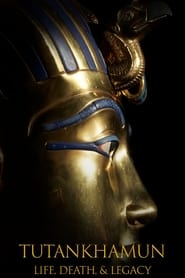
star 7.7An investigative look into the life of the boy-king, his environment and his death.Passage des arts
2018
Passage des arts
2018
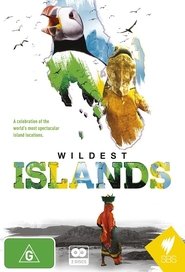
Wildest Islands
2012
Wildest Islands
2012
star 8.1Islands can be home to the most extreme examples of life and the some of the most dramatic landscapes. Natural selection fuels evolution in the most extraordinary way. Isolated for hundreds of thousands of years, pockets of individuals survive, thrive and adapt to fill all available niches fuelling a rapid development of new species. Wildest Islands, a stunning five-part series featuring the world’s most spectacular island locations. Dive into the crystal clear waters of the Caribbean; journey through the lush forests of Zanzibar; discover the unspoilt environs of the Hebrides; and uncover the enduring wonders of the Galapagos Islands as Wildest Islands investigates the rich history of these pristine paradises.NASA: A Journey Through Space
2016
On May 25, 1961, President John F. Kennedy made a historic speech where he pledged to send astronauts to the moon before the end of the decade. Eight years later, on July 20, 1969, Apollo commander Neil Armstrong stepped out of the lunar module and made a giant leap for mankind - a step that symbolized one of the most remarkable feats in human history. From that moment on, the exploration of our universe has achieved unimaginable feats with hundreds of missions stretching light years into the distant galaxy. This exciting documentary series takes viewers into the past, present and future of NASA.The Bell System Science Series
1956
The Bell System Science Series consists of nine television specials made for the AT&T Corporation that were originally broadcast in color between 1956 and 1964. Marcel LaFollette has described them as "specials that combined clever story lines, sophisticated animation, veteran character actors, films of natural phenomena, interviews with scientists, and precise explanation of scientific and technical concepts — all in the pursuit of better public understanding of science.Die Fussbroichs
1991
Bilder, die die Welt bewegten
1980
Bilder, die die Welt bewegten is a German documentary series, broadcast between 1980 and 1984 on ZDF. The title translates as Images That Changed The World. The series presented film footage of major natural disasters, technological disasters, and accidents. The series was directed and narrated by journalist Peter von Zahn.Year Zero
2022
Year Zero
2022