Popular Soap TV Shows on Pantaflix - Page 22
All Services
Free Services
 Netflix
 Amazon Prime Video
 Apple iTunes
 Apple TV Plus
 Disney Plus
 Google Play Movies
 Paramount Plus
 Hulu
Hulu
 HBO Max
 YouTube
 fuboTV
 Peacock
 Peacock Premium
 Amazon Video
 The Roku Channel
 AMC+
AMC on Demand
AMC+
AMC on Demand
 Kocowa
 Hoopla
 The CW
 Vudu
Vudu
 Starz
Starz
 Showtime
 PBS
PBS
 Pantaflix
 FXNow
FXNow
 Tubi TV
 Kanopy
 Comedy Central
 Crunchyroll
 Microsoft Store
 Redbox
 Sun Nxt
 ABC
ABC
 DIRECTV
 Crackle
 Fandor
 Plex
Plex
Netflix
Amazon Prime Video
Apple iTunes
Apple TV Plus
Disney Plus
Google Play Movies
Paramount Plus
Hulu
HBO Max
YouTube
fuboTV
Peacock
Peacock Premium
Amazon Video
The Roku Channel
AMC+
AMC on Demand
Kocowa
Hoopla
The CW
Vudu
Starz
Showtime
PBS
Pantaflix
FXNow
Tubi TV
Kanopy
Comedy Central
Crunchyroll
Microsoft Store
Redbox
Sun Nxt
ABC
DIRECTV
Crackle
Fandor
Plex

Pecado de Amor
1995
Pecado de Amor
1995
star 6Pecado de Amor is a Venezuelan telenovela that was produced by and seen on Venevisión. This telenovela lasted 325 episodes and was distributed internationally by Venevisión International. It's to the date the long-running telenovela that Venevisión has ever made.The Penny Lady
2013
The Penny Lady
2013
star 5.5The open market worker Carlota Losano is an uneducated, kind and explosive woman, known by everyone as the Penny Lady. Good-hearted and a woman of unparalleled optimism, she got her nickname for giving out what is left from her stand to the poor. Uneducated and abandoned by her husband, Esmeraldino, the Penny Lady plays the role of mother and father, working double to guarantee a dignified future for her children, Édison and Rosália.O Beijo do Vampiro
2002
O Beijo do Vampiro
2002
star 6.3The struggling Lívia despairs when she learns that her husband, before dying, lost a fortune in shady deals. Widowed and with three children, she is forced to fight for her family and leaves for the paradisiacal beach town of Maramores, where her mother Zoroastra lives. Parallel to the difficulties, Lívia discovers that she is involved in the eternal struggle of Good against Evil. In fact, Lívia is the reincarnation of Princess Cecília, the eternal passion of the vampire Bóris Vladescu, who has been pursuing her for centuries. The two met in 7th century Europe, when Bóris disputed the princess's love with Count Rogério. Nowadays, Rogério was Beto, Lívia's husband, and the two times he faced Boris, his arch-enemy, he took the worst. Boris is in Maramores to get Cecilia, his immortal beloved. Or rather, Livia, who raises the boy Zeca, who she doesn't even suspect is actually a half-vampire, son of Boris. The vampire is willing to prepare his son to takeShortland Street
1992
Amanhecer
2002
Yamaska
2009
The Poor, Rich Family
2013
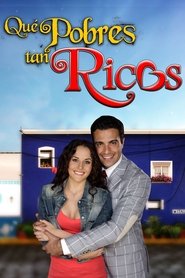
star 7.6Qué Pobres Tan Ricos is the story of the Ruizpalacios family, millionaires who suddenly lose their fortune, and the Menchaca family. The Ruizpalacios must leave their home, and they find that the only place where they can live is with the Menchacas in the Menchaca's modest home.Chamas da Vida
2008
Chamas da Vida
2008
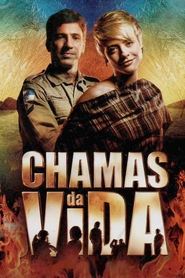
star 6.3This telenovela is full of secrets. The plot releases love stories, hate, friendship, revenge, friendship, hate and many surprises. The exciting story of Flame of Life shows a love growing interest started in two childhood friends who haven’t seen each other for many years and are bring back together in a tragic moment.Pobre novio
2021
Pobre novio
2021
star 3.7Santiago becomes an Internet sensation when a video of his bride-to-be ditching him on the altar goes viral. Now thanks to his newfound fame, he will turn into the coveted prize of a contest that offers a boyfriend to the lucky winner destroy their lives forever.Italian Bride
2014
Italian Bride
2014
star 5.6Muchacha italiana viene a casarse is a 1971 Mexican telenovela by Televisa produced by Ernesto Alonso and directed by Alfredo Saldaña, starring Angélica María and Ricardo Blume. Writing credits belong to Delia González Marquez, Fernanda Villeli, Marissa Garrido, Miguel Sabido and Carlos Lozano Dana The series featured two theme songs: "A dónde va nuestro amor" and "Lo que sabemos del amor". Both songs were written by Eduardo Magallanes and performed by Angélica María.Nos Tempos do Imperador
2021
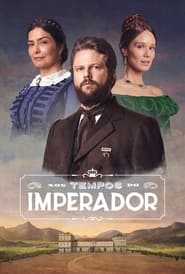
star 7.5In 1856, the emperor Dom Pedro II lived a marriage of appearances with Teresa Cristina, with whom he was forced to marry at a young age by his parents' political alliance, having two daughters with her: Isabel and Leopoldina. He truly loves Countess Luisa, a cultured and time-ahead woman who fights for the abolitionist cause and women's rights, married to Eugenio, the emperor Napoleon's cousin. At the same time there are sisters Pilar and Dolores: the first went to a convent after her mother's death in childhood, growing up among books and dreaming of studying medicine - inspired by the story of Elizabeth Blackwell, the first doctor in the world -, while the second stayed at home to take care of her father, Colonel Eudoro, growing up repressed, illiterate and without vanity.O'
2012
Adrenalina
1996
Zorro: La espada y la rosa
2007
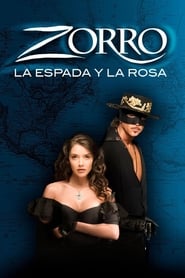
star 7.4Spanish telenovela based on Johnston McCulley's characters. Don Diego Dela Vega, adopts the secret identity of Zorro. Diego born in the 1790s to a white father, Don Alejandro Dela Vega, and his wife, Native American warrior named Toypurnia. Diego learned his acrobatics and fencing skills in Spain, under a great swordmaster, than he returned to his family's California hacienda. He lives as both a nobleman and a vigilante, fighting imperialist oppression. He is backed by the brotherhood of Zorro, a secret society called the Knights of the Broken Thorn. Zorro falls in love with a beautiful young widow, Esmeralda Sánchez de Moncada. She arrives in California with her sister Mariángel Sánchez de Moncada and her father, Fernando, the newly appointed governor—and villainous dictator—of Los Angeles. The story arc focuses on mysteries concerning Esmeralda's long-lost mother and the man whose atrocities changed Diego's life forever. Their resolution threatens to shake the Spanish Empire.Little Meg the Witch Girl
1974
star 4.5Majokko Megu-chan is a magical girl anime series. The manga was created by Tomo Inoue and Akio Narita, while the 72-episode anime series was produced by Toei Animation between 1974 and 1975. This series is considered an important forerunner of the present day magical girl genre, as the series' characterization and general structure exerted considerable influence over future shows in the same genre. Most notably, several of the show's recurring motifs were recycled in Toei's Sailor Moon, AIC's Pretty Sammy, and Wedding Peach.Salário Mínimo
1978
Algemas de Ouro
1969
Algemas de Ouro
1969
Deixa-me Amar
2007
Deixa-me Amar
2007
Carrusel
1989
Carrusel
1989
star 7.7Carrusel is a Mexican telenovela, produced by and first broadcast on Televisa in 1989. It covers daily life in a Mexican elementary school and the children's relationships with a charismatic teacher named Jimena. Among other plot devices, it deals with the differences between the upper and lower classes of Mexican society — specifically as seen in a romantic relationship between Cirilo, a poor black boy, and a spoiled rich girl, Maria Joaquina Villaseñor.Distilling Love
2007
Distilling Love
2007
star 7.6Destilando Amor is a 2007 Mexican telenovela produced by Televisa and Nicandro Díaz. It stars Angélica Rivera and Eduardo Yáñez as the main protagonists and was set primarily in Tequila, Jalisco. It is a remake of the 1994 Colombian telenovela Café, con aroma de mujer, and was nominated for twelve Premios TVyNovelas of which it won ten including Best Telenovela of the Year.