Popular War Politics TV Shows on Pantaflix - Page 121
All Services
Free Services
 Netflix
 Amazon Prime Video
 Apple iTunes
 Apple TV Plus
 Disney Plus
 Google Play Movies
 Paramount Plus
 Hulu
Hulu
 HBO Max
 YouTube
 fuboTV
 Peacock
 Peacock Premium
 Amazon Video
 The Roku Channel
 AMC+
AMC on Demand
AMC+
AMC on Demand
 Kocowa
 Hoopla
 The CW
 Vudu
Vudu
 Starz
Starz
 Showtime
 PBS
PBS
 Pantaflix
 FXNow
FXNow
 Tubi TV
 Kanopy
 Comedy Central
 Crunchyroll
 Microsoft Store
 Redbox
 Sun Nxt
 ABC
ABC
 DIRECTV
 Crackle
 Fandor
 Plex
Plex
Netflix
Amazon Prime Video
Apple iTunes
Apple TV Plus
Disney Plus
Google Play Movies
Paramount Plus
Hulu
HBO Max
YouTube
fuboTV
Peacock
Peacock Premium
Amazon Video
The Roku Channel
AMC+
AMC on Demand
Kocowa
Hoopla
The CW
Vudu
Starz
Showtime
PBS
Pantaflix
FXNow
Tubi TV
Kanopy
Comedy Central
Crunchyroll
Microsoft Store
Redbox
Sun Nxt
ABC
DIRECTV
Crackle
Fandor
Plex

Adieu camarades !
2012
The Longest Night
2021
The Longest Night
2021
On the eve of the second Passover holiday, a squad of five commandos from the PFLP cuts the northern border fence and penetrates into Kibbutz Misgav-Am. Their mission is to take hostage the Kibbutz members in order to negotiate the release of prisoners held in Israeli jails. But that night, most Kibbutz members are away on a concert and the Kibbutz is half empty, a light comes on in one of the small kibbutz houses, making it the target for the commandos to break into. When they realize this is not a family home but rather the dormitory for the very young children of the kibbutz, it's already too late.American Mercenaries: Killing in Yemen
2024
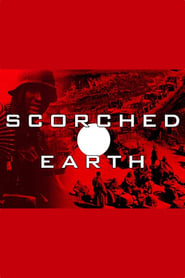
star 8BBC Arabic's Nawal Al-Maghafi reveals how the UAE hired mercenaries to conduct targeted assassinations of its political enemies in Yemen, with American mercenaries starting the killings in 2015.Scorched Earth WWII
2016
Scorched Earth WWII
2016
When the Nazis unleashed the 'Blitzkrieg', it was a kind of warfare the world had never witnessed before and immediately upended all traditional ideas of military strategy and tactics. Suddenly Europe and North Africa was reeling from this new type of combat and had to adapt quickly or suffer the consequences of Hitler's evil aims. Now, using ground-breaking graphics and state-of-the-art computer animation, as well as archival footage culled from Allied and Axis sources, the incredible initial successes of Hitler's seemingly unstoppable war machine are revealed and examined. Includes 'Hitler's Big Guns', 'Africa Korps', 'Infantry Firepower' and more!Мангровий гай
2024
Мангровий гай
2024
游击兵工厂
2012
游击兵工厂
2012
Battlefields
2001
Battlefields
2001
star 7British military historian Professor Richard Holmes takes the viewer through four major battles of world war two. The Battles of Cassino, El Alamein, Arnhem (Operation Market Garden), & the RAF Bomber Command. An insightful overview of each of these diverse campaigns is given in each of the four episodes.Partier i brand
2022
Partier i brand
2022
Последний бой
2013
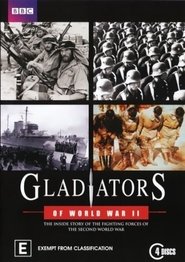
Gladiators of World War II
2002
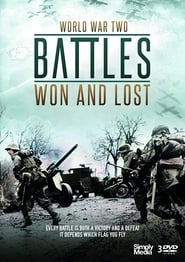
In this BBC documentary series newly declassified documents are used to examine the strategic roles played in the war by thirteen of the world's regular and resistance land, sea and air forces.World War II: Battles Won and Lost
2017
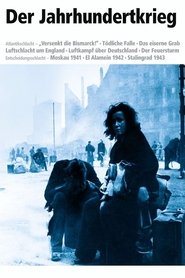
This sweeping World War II series examines the outcome of battles fought in every major theater. It shows that these battles were decided by strategy and by which armies could capitalize on the terrain or gain better access to supplies. Whether waged by the Allies or by Hitler and the Axis powers, victory or defeat could determine possession of territory, resources, or the will to go on fighting.Der Jahrhundertkrieg
2002
Adam Curtis: Shorts
2007
Adam Curtis: Shorts
2007
Adam Curtis' short films from Charlie Brooker's Screenwipe and Newswipe programmes.Survivors of Stalingrad
2005
star 7In the last months of 1942, only a few yards of bitterly contested ground stood between Hitler and the prize which he valued above all others - Stalingrad. The fighting for Stalingrad was intense, protracted and took place under the worst imaginable conditions, including the iron grip of a Russian Winter. After the battle the wretched survivors of a beaten German army surrendered to the Red Army. They had once been 350,000 strong but only 90,000 of these frost bitten, starving scarecrows remained to make the painful forced march into Russian captivity. In the weeks to come 85,000 of these pathetic prisoners would die from disease, starvation, brutality, neglect and despair. Only 5000 survivors from the doomed 6th Army endured the long years of captivity in slave labor camps and lived to see Germany again. This is their story.Возвращение
0000
Возвращение
0000