Popular Animation TV Shows on Tub Tv - Page 425
All Services
Free Services
 Netflix
 Amazon Prime Video
 Apple iTunes
 Apple TV Plus
 Disney Plus
 Google Play Movies
 Paramount Plus
 Hulu
Hulu
 HBO Max
 YouTube
 fuboTV
 Peacock
 Peacock Premium
 Amazon Video
 The Roku Channel
 AMC+
AMC on Demand
AMC+
AMC on Demand
 Kocowa
 Hoopla
 The CW
 Vudu
Vudu
 Starz
Starz
 Showtime
 PBS
PBS
 Pantaflix
 FXNow
FXNow
 Tubi TV
 Kanopy
 Comedy Central
 Crunchyroll
 Microsoft Store
 Redbox
 Sun Nxt
 ABC
ABC
 DIRECTV
 Crackle
 Fandor
 Plex
Plex
Netflix
Amazon Prime Video
Apple iTunes
Apple TV Plus
Disney Plus
Google Play Movies
Paramount Plus
Hulu
HBO Max
YouTube
fuboTV
Peacock
Peacock Premium
Amazon Video
The Roku Channel
AMC+
AMC on Demand
Kocowa
Hoopla
The CW
Vudu
Starz
Showtime
PBS
Pantaflix
FXNow
Tubi TV
Kanopy
Comedy Central
Crunchyroll
Microsoft Store
Redbox
Sun Nxt
ABC
DIRECTV
Crackle
Fandor
Plex

Bob Zoom
2012
Oraa Guzura Dado
1967
Oraa Guzura Dado
1967
star 6.5Oraa Guzura Dado is a 52-episode comedy anime series directed by Hiroshi Sasagawa and produced by Tatsunoko Pro. It aired on Fuji TV between 7 October 1967 and 25 September 1968. The anime was remade into a 44-episode series also directed by Sasagawa. The remake aired on TV Tokyo between October 12, 1987 and September 30, 1988.Don Quijote
1967
Carrossel
2016
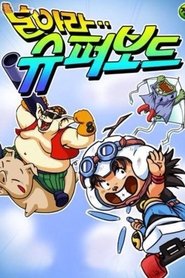
Fly Superboard
1990
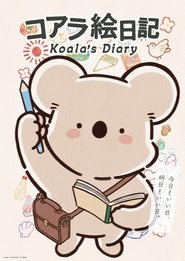
Koala's Diary
2025
Koala's Diary
2025
Koala writes about daily life, whether it's good or bad, happy or sad. Koala treats every day as a precious day.Duck & Goose
2022
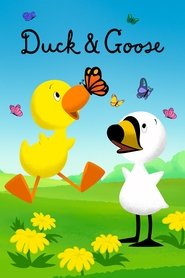
Duck & Goose
2022
star 5.3Feathered friends Duck and Goose couldn't be more different, but in this preschool show, they learn how to bring out the best in one another.Science Court
1997
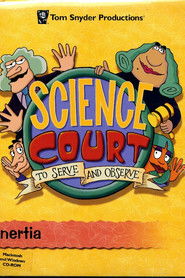
Science Court
1997
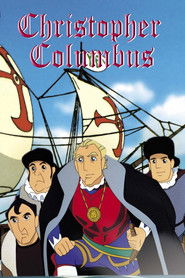
star 7Science Court is an edutainment, animation/nontraditional court show from Tom Snyder Productions, which was aired on ABC's One Saturday Morning block from 1997 to 2000. The cartoon was 'filmed' in Squigglevision.Christopher Columbus
1992
Christopher Columbus
1992
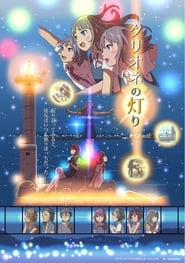
star 5.8The marvelous adventures and dramatic life of Christopher Columbus in the 15th century.Lights of the Clione
2017
Lights of the Clione
2017
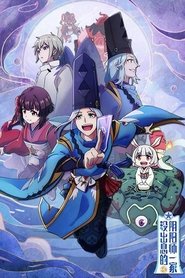
star 7The story centers around an illness-stricken, constantly bullied orphan girl named Minori. After one rainy day, she doesn't turn up at school, having been admitted into a hospital in a distant town. Two months pass, and the girl's two school friends, Takashi and Kyouko, receive a mysterious email with no sender listed. The email reveals a summer festival taking place at a nearby town...Useless Onmyojis
2019
Useless Onmyojis
2019
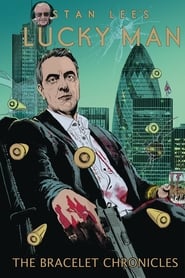
Stan Lee's Lucky Man: The Bracelet Chronicles
2017
star 9The history of DI Harry Clayton's lucky bracelet is explored , as his brother Rich investigates past wearers both famous and infamous.Da Boom Crew
2004
Da Boom Crew
2004
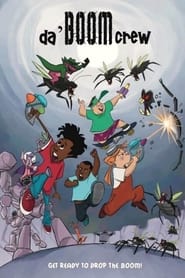
star 1.7Four foster kids create a video game about heroes going up against space alien terrorists. Then a portal appears and pulls them into a dimension which is really similar to their game. They live adventures in this parallel world, as they embark on a quest to find their missing video game cartridges and stop the sadistic extraterrestrial emperor Zorch from taking control of this intergalactic dimension.Tommy & Oscar
2000
Tommy & Oscar
2000
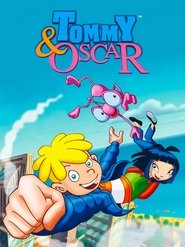
star 6.5Tommy and Oscar is an Italian animated television series created by Max Alessandrini and Iginio Straffi, and produced by the Italian company Rainbow S.r.l. and by RAI Fiction. There was the movie in this series that was going to be released in 2004, but it is unreleased.Gogs
1993
Gogs
1993
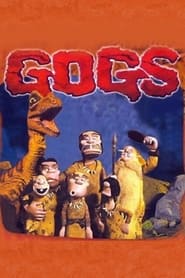
star 6.3Gogs!, or simply Gogs, is a claymation-style animated television series which takes the form of a sitcom, originally aired on Welsh television in 1993, and aired to the rest of the United Kingdom on the BBC in 1996. Gogs has since been aired internationally, and still enjoys re-runs on occasion.Baggy Pants and the Nitwits
1977
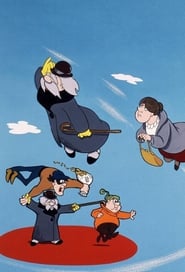
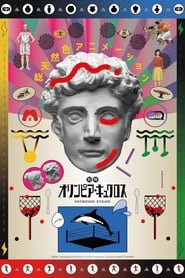
star 6Baggy Pants and the Nitwits is a 1977 animated series, produced by DePatie-Freleng Enterprises and broadcast on NBC.Extra Olympia Kyklos
2020
Extra Olympia Kyklos
2020
star 6Demetrios was a young man in Ancient Greece who was a potter's apprentice, but also a rather timid otaku. Despite pursuing the arts, he was blessed with natural athletic talent. One day, he gets dragged into a village conflict. Demetrios contemplates how helpless he is, but then is struck by lightning! When he comes to, he is no longer in Greece, but a strange land where he can't understand the language and people look rather different. Yes, he somehow ended up 1964 Tokyo! Of course, Demetrios has no idea what Japan even is. What will become of him?!!The Why Why Family
1996
The Why Why Family
1996
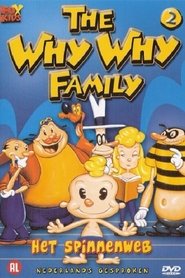
star 7.1The Why Why Family is a French cartoon television series for children, which originally aired in 1996, written by Annabelle Perrichon and François-Emmanuel Porché and produced by Saban Entertainment and CineGroupe. Later, in 1998, the show was broadcast in the United States by Fox. Character design and others are vintage and comedy elements are also included throughout the episodes.타이거 마스크 2세
1981
타이거 마스크 2세
1981
The Mouse Factory
1972
The Mouse Factory
1972
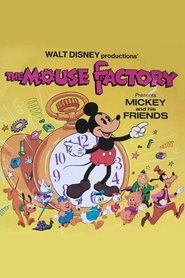
star 8.5The Mouse Factory is an American syndicated television series produced by Walt Disney Productions and created by Ward Kimball, that ran from 1972 to 1974. It showed clips from various Disney cartoons and movies, hosted by celebrity guests, including Johnny Brown, Charles Nelson Reilly, JoAnne Worley and many more, visiting the Disney studio and interacting with the walk-around Disney characters from the Disney Theme Parks. It was later re-run on the Disney Channel in the 1980s and '90s. The theme played over the previews of each episode was a fast instrumental version of "Whistle While You Work" from Snow White and the Seven Dwarfs. The song played over the end credits is "Minnie's Yoo Hoo", the theme song from the original Mickey Mouse Clubs that met in theaters starting in 1929. However, due to low ratings, the series was canceled after its second season.