Popular Comedy TV Shows on Tubi TV - Page 5
All Services
Free Services
 Netflix
 Amazon Prime Video
 Apple iTunes
 Apple TV Plus
 Disney Plus
 Google Play Movies
 Paramount Plus
 Hulu
Hulu
 HBO Max
 YouTube
 fuboTV
 Peacock
 Peacock Premium
 Amazon Video
 The Roku Channel
 AMC+
AMC on Demand
AMC+
AMC on Demand
 Kocowa
 Hoopla
 The CW
 Vudu
Vudu
 Starz
Starz
 Showtime
 PBS
PBS
 Pantaflix
 FXNow
FXNow
 Tubi TV
 Kanopy
 Comedy Central
 Crunchyroll
 Microsoft Store
 Redbox
 Sun Nxt
 ABC
ABC
 DIRECTV
 Crackle
 Fandor
 Plex
Plex
Netflix
Amazon Prime Video
Apple iTunes
Apple TV Plus
Disney Plus
Google Play Movies
Paramount Plus
Hulu
HBO Max
YouTube
fuboTV
Peacock
Peacock Premium
Amazon Video
The Roku Channel
AMC+
AMC on Demand
Kocowa
Hoopla
The CW
Vudu
Starz
Showtime
PBS
Pantaflix
FXNow
Tubi TV
Kanopy
Comedy Central
Crunchyroll
Microsoft Store
Redbox
Sun Nxt
ABC
DIRECTV
Crackle
Fandor
Plex

Brassic
2019
Brassic
2019
star 8.4A group of working-class friends finding unconventional ways to win at life in suburban northern England. These lads have dealt, scammed, bribed and conned their way through adolescence, but now, their dealing and stealing is catching up with them and a whole load of trouble is heading their way.Four Star Playhouse
1952
Four Star Playhouse
1952
star 6.7Four Star Playhouse is an American television anthology series that ran from 1952 to 1956, sponsored in its first bi-weekly season by The Singer Company; Bristol-Myers became an alternate sponsor when it became a weekly series in the fall of 1953. The original premise was that Charles Boyer, Ida Lupino, David Niven, and Dick Powell would take turns starring in episodes. However, several other performers took the lead from time to time, including Ronald Colman and Joan Fontaine. Blake Edwards was among the writers and directors who contributed to the series. Edwards created the recurring character of illegal gambling house operator Willie Dante for Dick Powell to play on this series. The character was later revamped and spun off in his own series starring Howard Duff, then-husband of Lupino. The pilot for Meet McGraw, starring Frank Lovejoy, aired here, as did another episode in which Lovejoy recreated his role of Chicago newspaper reporter Randy Stone, from the radio drama Nightbeat.Red vs. Blue
2003
Red vs. Blue
2003
star 7.6In the distant future, two groups of soldiers battle for control of the least desirable piece of real estate in the known universe: a box canyon in the middle of nowhere.'Allo 'Allo!
1984
'Allo 'Allo!
1984
star 7.8The misadventures of hapless cafe owner René Artois and his escapades with the Resistance in occupied France.Mystery Science Theater 3000
1989
star 7.7A stranded spaceship pilot captured by mad scientists survives a blitz of cheesy B movies by riffing on them with his funny robot pals.Bakuman
2010
Bakuman
2010
star 8.1Moritaka Mashiro and Akito Takagi are pretty much foils of each other. Mashiro, an average 9th grade student but talented artist, and Takagi, an overall advanced 9th grader and aspiring writer. After great convincing, Takagi convinces Mashiro to join him in becoming the greatest mangakas Japan has ever seen. Takagi, with his gift of writing, hopes to become a successful mangaka, and Mashiro, with his gift of art, hopes to marry the girl of his dreams, Azuki Miho.Scooby-Doo, Where Are You!
1969
star 7.8Fred, Daphne, Velma, Shaggy, and the talking dog, Scooby-Doo, travel on the Mystery Machine van, in search of weird mysteries to solve.There's No Freaking Way I'll Be Your Lover! Unless...
2025
star 8.1Renako Amaori is leaving her awkward and lonely junior high school life behind, determined to become a normal girl with normal friends in high school. Glamorous, confident Mai Ouzuka is Renako’s total opposite: wealthy, outgoing, and a literal fashion model. Against the odds, the two girls form an immediate connection. Renako thinks she may have found the best friend of her dreams…until Mai’s romantic confession sends her into a tailspin. Renako wants to prove to Mai that being BFFs is better than being girlfriends, but Mai is dead set on convincing Renako that they’re destined to be lovers.The Ed Sullivan Show
1948
The Ed Sullivan Show
1948
star 6.8The Ed Sullivan Show is an American TV variety show that originally ran on CBS from Sunday June 20, 1948 to Sunday June 6, 1971, and was hosted by New York entertainment columnist Ed Sullivan. It was replaced in September 1971 by the CBS Sunday Night Movie, which ran only one season and was eventually replaced by other shows. In 2002, The Ed Sullivan Show was ranked #15 on TV Guide's 50 Greatest TV Shows of All Time.Here's Lucy
1968
Green Acres
1965
Green Acres
1965
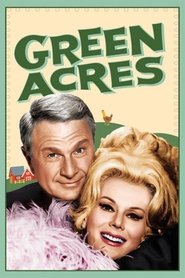
star 7.3Green Acres is an American sitcom starring Eddie Albert and Eva Gabor as a couple who move from New York City to a rural country farm. Produced by Filmways as a sister show to Petticoat Junction, the series was first broadcast on CBS, from September 15, 1965 to April 27, 1971. Receiving solid ratings during its six-year run, Green Acres was cancelled in 1971 as part of the "rural purge" by CBS. The sitcom has been in syndication and is available in DVD and VHS releases. In 1997, the two-part episode "A Star Named Arnold is Born" was ranked #59 on TV Guide's 100 Greatest Episodes of All Time.Reply 1988
2015
Reply 1988
2015
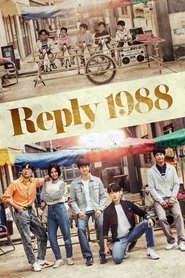
star 8.8Take a nostalgic trip back to the late 1980s through the lives of five families and their five teenage kids living in a small neighbourhood in Seoul.Blue Mountain State
2010
Blue Mountain State
2010
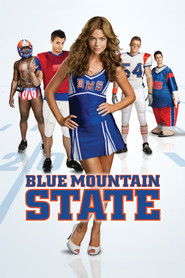
star 7.6Three incoming freshman in a big-time, Midwestern college football program have to juggle football, girls, class and nonstop hazing.The Dean Martin Celebrity Roasts
1973
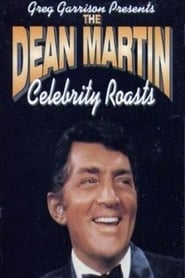
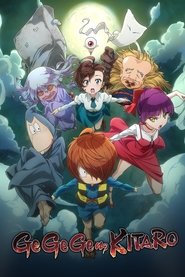
star 5.4The Dean Martin Celebrity Roasts is a NBC television special show hosted by entertainer Dean Martin from 1974 to 1984. For a series of 54 specials and shows, Martin would periodically "roast" a celebrity. These roasts were patterned after the roasts held at the New York Friars' Club in New York City. The format would have the celebrity guest seated at a banquet table, and one by one the guest of honor was affectionately chided or insulted about his career by his fellow celebrity friends. In 1973, The Dean Martin Show was declining in popularity. The final season of his variety show would be retooled into one of celebrity roasts, requiring less of Martin's involvement. For the 1973–1974 season, a new feature called “Man of the Week Celebrity Roast" was added to try to pick up the ratings. The roasts seemed to be popular among television audiences and are often marketed in post-issues as part of the official Dean Martin Celebrity Roasts and not The Dean Martin Show. After The Dean Martin Show was cancellGeGeGe no Kitaro
2018
GeGeGe no Kitaro
2018
star 7.2Nearly twenty years into the 21st century, people have forgotten the existence of Yokai. When a number of unexplainable phenomena plague adults of the human world with confusion and chaos, thirteen-year-old Mana writes a letter to the Yokai Post in search of answers, only to be greeted by GeGeGe no Kitaro...Workin' Moms
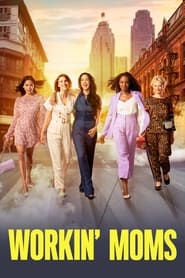
2017
Workin' Moms
2017
star 7.5Four women juggle love, careers, and parenthood. They support, challenge, and try not to judge each other as life throws them curveballs. Whether it is an identity crisis, a huge job opportunity, postpartum depression, or an unplanned pregnancy – they face both the good and bad with grace and humour.Saved by the Bell
1989
Saved by the Bell
1989
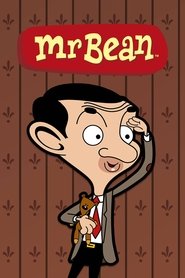
star 7.8Lovable schemer Zack Morris leads his pals on adventures at California's Bayside High School. The friends navigate relationships, final exams, school dances, breakups and more while frequently frustrating their principal, Mr. Richard Belding, who does his best to keep them in check.Mr. Bean: The Animated Series
2002
star 6.9The animated daily trials and tribulations of clueless yet clever loner Mr Bean (aided by his best friend Teddy of course!) as he stumbles from one mishap to the next, always finding complex solutions to the simplest of problems.Kimagure Orange Road
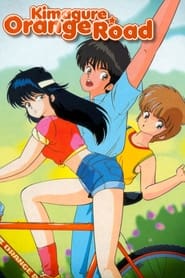
1987
Kimagure Orange Road
1987
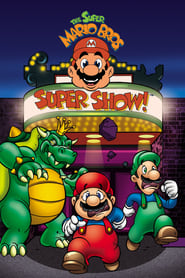
star 6.7Kyosuke Kasuga, fifteen, moves to a new city and falls for Madoka Ayukawa. She's friendly when they're alone, but acts like a delinquent when in front of others. Kyosuke meanwhile struggles not to break the heart of Hikaru Hiyama, who fell in love after seeing him make an impossible basketball shot. To add the cherry to this particular sundae, Kyosuke and his family (sisters, grandfather, and cousins) all have various powers. And while Kyosuke's desperate to keep those powers a secret, his younger sisters (among others) aren't quite as concerned about it.The Super Mario Bros. Super Show!
1989
star 7In 1989 the two most famous plumbers from Brooklyn burst out of the Nintendo game world and onto television screens across America. The Super Mario Bros. Super Show! aired weekday afternoons and brought Mario, Luigi, Princess Toadstool and King Koopa more thrilling adventures as cartoon characters. And if that weren't enough, each episode also contained live-action segments featuring Mario and Luigi running their Brooklyn plumbing shop - all before they were flushed down a drainpipe into the Mushroom World.