Popular War Politics TV Shows on Tubi TV - Page 6
All Services
Free Services
 Netflix
 Amazon Prime Video
 Apple iTunes
 Apple TV Plus
 Disney Plus
 Google Play Movies
 Paramount Plus
 Hulu
Hulu
 HBO Max
 YouTube
 fuboTV
 Peacock
 Peacock Premium
 Amazon Video
 The Roku Channel
 AMC+
AMC on Demand
AMC+
AMC on Demand
 Kocowa
 Hoopla
 The CW
 Vudu
Vudu
 Starz
Starz
 Showtime
 PBS
PBS
 Pantaflix
 FXNow
FXNow
 Tubi TV
 Kanopy
 Comedy Central
 Crunchyroll
 Microsoft Store
 Redbox
 Sun Nxt
 ABC
ABC
 DIRECTV
 Crackle
 Fandor
 Plex
Plex
Netflix
Amazon Prime Video
Apple iTunes
Apple TV Plus
Disney Plus
Google Play Movies
Paramount Plus
Hulu
HBO Max
YouTube
fuboTV
Peacock
Peacock Premium
Amazon Video
The Roku Channel
AMC+
AMC on Demand
Kocowa
Hoopla
The CW
Vudu
Starz
Showtime
PBS
Pantaflix
FXNow
Tubi TV
Kanopy
Comedy Central
Crunchyroll
Microsoft Store
Redbox
Sun Nxt
ABC
DIRECTV
Crackle
Fandor
Plex

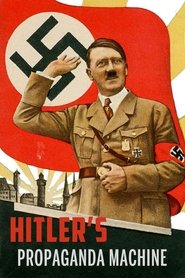
Hitler's Propaganda Machine
2017
star 8Power, terror, performance. These notions define our perception of Adolf Hitler and the Nazi Party at the height of the Third Reich. But behind these impressions Hitler was a rather ordinary man. This compelling new series tells the story of one of the most comprehensive, wide-reaching, and successful marketing campaigns in modern history. It describes in a whole new way the rise of Adolf Hitler.The Volunteers
2017
The Volunteers
2017
Cameraman River Haag travels to war-torn Syria, documenting stories of the worst humanitarian crisis since WWII. After meeting a medical unit of passionate volunteers, River finds himself forced by conscience to use his own military medical training to join the YPG in the fight against ISIS, providing treatment to civilian casualties of war, as well as Kurdish, Arab, and even ISIS fighters.1945-1953: From World War to Cold War
2017
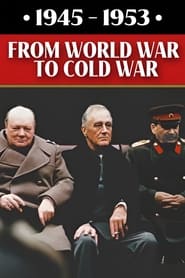
star 8.5At the outset of the Yalta Conference on February 4, 1945, the «Big Three» were all optimistic: victory was in no doubt, and the accord that they had achieved seemed likely to preserve the values they had fought for. However, in just a few months, nothing would remain of this agreement apart from irreconcilable differences. United in war, the Allies would reveal themselves as divided and rivals in peace. How can such a rapid failure of a real effort at entente be explained? With the Yalta Conference in 1945 to 1953, discover a new world order drawn up by three men, looking for a lasting peace... that would lead inevitably to the Cold War. Combining archive footage, photographs, original letters and unique testimonies, these two episodes revisit this crucial period in History. A full immersion into postwar years and an emerging new world order.The Sound and the Fury
2025
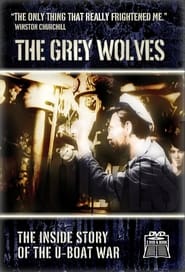
star 6From the Japanese invasion of Manchuria to the siege of Stalingrad, and from the attack on Pearl Harbor to the battle of El Alamein, the events of the Second World War are presented on a 'planet level' to place it on a truly global scaleThe Grey Wolves: Echoes from WWII
2016
Grey Wolves captures life on board a U-boat, from the German perspective. First hand accounts in text, letters, diaries, journals, memoirs, relaying tales of the mundane and the routine, dramatic and heroic; the fear and resilience of every crew member, from Kapitainleutnant to Mechaniker. It is a vivid, brutally realistic portrait of the men who fought and died beneath the surface of the Atlantic in what was, perhaps, the most critical battle of the war.Scorched Earth WWII
2016
Scorched Earth WWII
2016
When the Nazis unleashed the 'Blitzkrieg', it was a kind of warfare the world had never witnessed before and immediately upended all traditional ideas of military strategy and tactics. Suddenly Europe and North Africa was reeling from this new type of combat and had to adapt quickly or suffer the consequences of Hitler's evil aims. Now, using ground-breaking graphics and state-of-the-art computer animation, as well as archival footage culled from Allied and Axis sources, the incredible initial successes of Hitler's seemingly unstoppable war machine are revealed and examined. Includes 'Hitler's Big Guns', 'Africa Korps', 'Infantry Firepower' and more!Architects of Darkness
2017
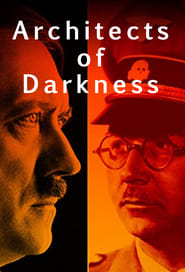
Six one hour episodes each focusing on a key individual that traces the trajectory and design of Hitler’s thousand year Reich. From the beer halls of Munich to the horrors of the Final Solution, these individuals were truly Architects Of Darkness of the Nazi Third Reich.World War II: Battles Won and Lost
2017
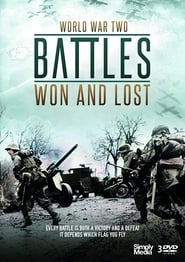
This sweeping World War II series examines the outcome of battles fought in every major theater. It shows that these battles were decided by strategy and by which armies could capitalize on the terrain or gain better access to supplies. Whether waged by the Allies or by Hitler and the Axis powers, victory or defeat could determine possession of territory, resources, or the will to go on fighting.Showdown: Air Combat
2008
Showdown: Air Combat
2008
Battleground Vietnam: War In The Jungle
2005
The Vietnam War was one of the worst horrors of the second half of the 20th century and the causes behind it continue to baffle people to this day. How did it start? What were the justifications for America's involvement in Nam? Could it have been avoided altogether? Though it is long over, the Vietnam War will always remain fresh in the minds of the men who fought and the millions who lived through a decades-long conflict right in their backyard. Battleground Vietnam: War in the Jungle covers it all from beginning to end with more than six hours of original footage that brings the battle closer to home than ever.Rescue Warriors
2005
Rescue Warriors
2005
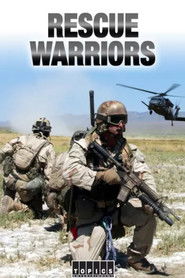
Go inside the intense training to become a USAF Pararescue Jumper. Meet the trainees and be there as they endure one of the longest and toughest special operations training courses in the world! Find out who will make it through so "That Others May Live."U-Boats Hitler's Sharks
2009
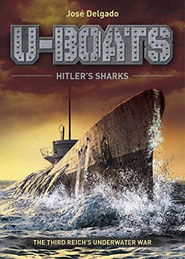
From the beginning of the Second World War the sea became a vitally important scene of conflict. Great Britain relied on receiving supplies by sea and, therefore, a total blockade of the United Kingdom was one the main objectives of Hitler's Germany. The British government was forced to maintain a strategy of antisubmarine warfare throughout the conflict, while the Royal Navy sought to interrupt the Third Reich's maritime traffic. In these circumstances the submarine became an important weapon of war. Headed by Karl D nitz, who would later succeed Hitler as Head of State, the German U-boats gained the initiative in the sea war and from the beginning launched all-out attacks against shipping en route to Great Britain. One of the great unanswered questions of the war is what would have happened if Hitler had granted the numerous requests made by D nitz for more submarines?Als der Krieg nach Deutschland kam
2006
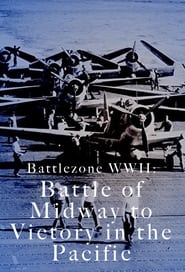
When American troops started their final invasion of Nazi Germany in February 1945, cameramen were at their side and complied over a thousand reels covering 12 weeks in Germany until the ultimate collapse of the Third Reich including stories on the road from the Bulge over the Remagen Bridge to the Eagle’s Nest. Michael Kloft has selected the most striking scenes for his two-part documentary.Battlezone WWII: Battle of Midway to Victory in the Pacific
2015
This Battlezone series looks at the US battle with Japan for supremacy in the Pacific and the eventual surrender.WWI: The War to End All Wars
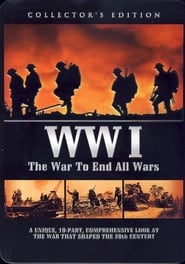
2008
WWI: The War To End All Wars is a unique, 10-part, comprehensive look at the war that shaped the 20th Century. Through rare, actual battle footage and rare veteran interviews, The War To End All Wars takes you from the assassination of the Austrian Arch Duke in 1914, to the final desperate battles of 1918. Unique and stunning, you will go-over-the-top on the Western Front and witness the carnage in Russia. You'll take to the skies in the world's first air war and ride with the legendary Lawrence of Arabia. This is more than a historical or military account of WWI, it is a riveting and personal account of a defining moment in world history. Never before in the history of the world had so many countries fought on so many far-flung battlefields. Never had so many soldiers lost their lives. Never had there been such an unending hell-on-earth. Never has there b such a remarkable look at 'The War to End All Wars'.The Concise History of WWII
2007
This superb program provides a clear and factual account of the causes, course and consequences of World War II, while also assessing the contribution of particular key leaders, such as Hitler, Churchill, Roosevelt, Mussolini and Stalin.Warbirds of World War II
1996
From the Battle of Britain to the Dresden bombings, some of the most intense combat of World War II occurred in the airspaces over Europe. This multi-volume box set offers a comprehensive account of the aircraft that helped bring the Allies to victory, including the B-17 Flying Fortress, the B-24 Liberator, the P-51 Mustang, and many more.