Top Rated Animation Movies - Page 243
All Services
Free Services
 Netflix
 Amazon Prime Video
 Apple iTunes
 Apple TV Plus
 Disney Plus
 Google Play Movies
 Paramount Plus
 Hulu
Hulu
 HBO Max
 YouTube
 fuboTV
 Peacock
 Peacock Premium
 Amazon Video
 The Roku Channel
 AMC+
AMC on Demand
AMC+
AMC on Demand
 Kocowa
 Hoopla
 The CW
 Vudu
Vudu
 Starz
Starz
 Showtime
 PBS
PBS
 Pantaflix
 FXNow
FXNow
 Tubi TV
 Kanopy
 Comedy Central
 Crunchyroll
 Microsoft Store
 Redbox
 Sun Nxt
 ABC
ABC
 DIRECTV
 Crackle
 Fandor
 Plex
Plex
Netflix
Amazon Prime Video
Apple iTunes
Apple TV Plus
Disney Plus
Google Play Movies
Paramount Plus
Hulu
HBO Max
YouTube
fuboTV
Peacock
Peacock Premium
Amazon Video
The Roku Channel
AMC+
AMC on Demand
Kocowa
Hoopla
The CW
Vudu
Starz
Showtime
PBS
Pantaflix
FXNow
Tubi TV
Kanopy
Comedy Central
Crunchyroll
Microsoft Store
Redbox
Sun Nxt
ABC
DIRECTV
Crackle
Fandor
Plex

There It Is
1928
There It Is
1928
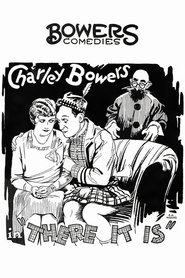
star 6.8When a mysterious figure appears to cause a series of disruptions at the Frisbie Home in New York, word goes out to Scotland Yard that the Fuzz-Faced Phantom is at work. Soon, Charley MacNeesha and his assistant MacGregor are sent across the ocean to investigate.Porky & Daffy
1938
Porky & Daffy
1938
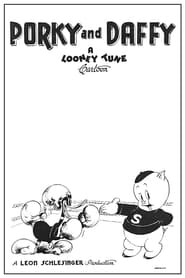
star 6.2Porky Pig is Daffy Duck's fight manager who gets Daffy a fight with "The Champion", but things get looney.Urusei Yatsura: Remember My Love
1985
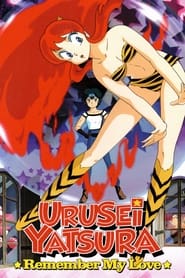
star 5.3The third film finds Ataru transformed into a pink hippopotamus, which sends Lum chasing after the wicked magician responsible, with catastrophic results. With Lum gone, her friends decide that there is no reason to remain, and so Tomobiki slowly returns to normal. The highlight of the film is a high speed chase scene with an angry Lum flying after the mysterious Ruu through the city at night and into a hall of mirrors (and illusion ). Ataru's true feelings for Lum are probably more obvious in this film than any of the others.Bluebeard
1936
Bluebeard
1936
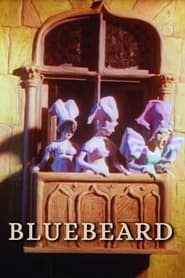
star 6Perrault's fairy tale presented in claymation with choral voices. Bluebeard goes courting, all six of his wives having died. He arrives at the house of a widow with two daughters. He's greatly feared, but he overcomes objections with a generous dowry. One sister (Anne) refuses him; the other accepts. At his castle, the damsel delights in precious minutes away from Bluebeard in the rose garden. The Saracens declare war; Bluebeard goes off to fight them, leaving the keys to the castle in the damsel's hands. He warns her not to enter the forbidden room. As war rages, she discovers riches in the castle and then enters the forbidden room. Will Bluebeard discover her act? Can she escape death?A Computer Animated Hand
1972
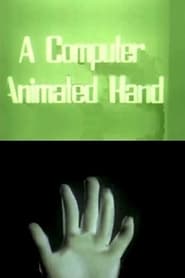
star 6.7Archive film showing possibly the first example of digital rendering, made by Pixar co-founders Ed Catmull and Fred Parke in 1972, was stumbled upon by the son of Robert B Ingebretsen, who also set up the world-famous U.S. studio. A six minute version shows additional CGI animation of an artificial heart valve, and human heads.The Night
1999
The Night
1999
star 6.3It's the story of a child and her mother, two lives that don't communicate with each other. Is that loneliness that sometimes reaches the size of the night. Dark is the night. Dark is the mother. And dark becomes the entire Universe when you are alone and abandoned.The Creation of the World
1958
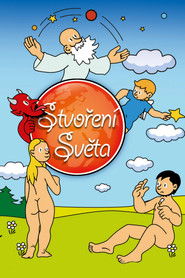
star 6.7La Création du Monde is among the first animated feature films made in France. But to be exact, the film was animated in Czechoslovakia and directed by Eduard Hofman. It is adapted from a series of five books by Jean Effel, a French caricaturist and illustrator. The visual style is adapted from his drawings. The film is a comedy about the creation of the universe in six days, with the devil messing around and contributing in his own way.Café Bar
1975
Daffy Duck Slept Here
1948
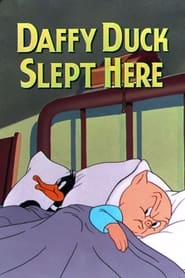
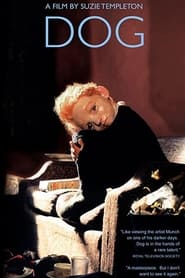
star 7.1Porky Pig has to share a hotel room with endlessly annoying roommate Daffy Duck.Dog
2001
Dog
2001
star 6.3A young boy and his father live in a dull, lonely house with the shadow of mourning hanging over them both. The boy misses his mother but gets no comfort from his father's assertions that she went peacefully. This tragedy is added to by the family dog which is looking increasingly unhealthy.Egged On
1926
Egged On
1926
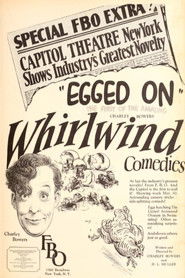
star 6.2Charley invents a machine that turns ordinary, breakable eggs into rubbery, unbreakable ones for transport. He builds a Rube Goldberg contraption of parts stolen from his neighbors. Rival egg companies want his invention, one of them stooping to sabotage to get it.Yogi's Great Escape
1987
Yogi's Great Escape
1987
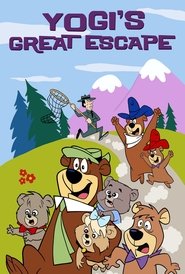
star 6.6One spring, Yogi Bear and Boo Boo Bear awake from hibernation to discover three orphaned bear cubs left at the front door of their cave. Despite their initial reservations, Yogi and Boo Boo take the bear cubs into their home and take care of them. Meanwhile, Jellystone Park has gone over budget and the park commissioner orders Ranger Smith to close it down. This means that Yogi, along with the other bears at the park, must be sent to a zoo. Because Yogi can't stand the thought of being cooped up in a zoo for the rest of his life, he hatches an elaborate escape plan. Salvaging car parts from a failed fishing expedition, he constructs a getaway "Supercar," complete with a picnic basket rumble seat for the three orphaned cubs. Together they make their escape from the park to find a new home.Alice's Day at Sea
1924
Alice's Day at Sea
1924
star 4.6Alice's trip to the sea inspires her to dream of a visit to an animated underwater world.The Woman Who Powders Herself
1972
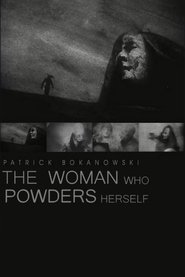
star 6.5A study of human anxieties about beauty, youth and objectification.A Charlie Brown Celebration
1982
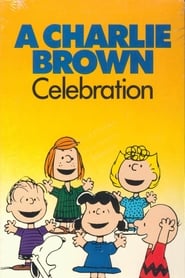
star 6.5Several new different Peanuts sketches are featured in this TV special, adapted from the comic strip, including Peppermint Patty's stint at dog training school and Charlie Brown spending time in the hospital.Thank You Mask Man
1971
Thank You Mask Man
1971
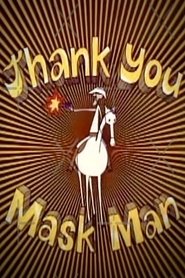
star 4.8This short animation set to Lenny Bruce's live monologue tells how the Lone Ranger hooks up with Tonto. With Bruce doing all the voices, this animation begins with local folks upset at the Lone Ranger because he won't stay around to be thanked after a good deed. So, he stays and finds he likes hearing "Thank you mask man." When their attention starts to shift elsewhere, he shocks and disgusts the townspeople with a final request. According to the cartoon’s producer John Magnuson, at early showings of this, gay audiences were upset by its apparent “fag-bashing”. And it’s true, part of the fun of the piece is just crying out “Masked man’s a fag”, scandalising and defacing the image of this all-American hero. But it’s within the larger context of Bruce’s analysis of heroism, and that the towns people reject the Masked Man is because of their prejudices, not because Bruce is asking us to endorse them. (from: http://ukjarry.blogspot.de/2010/01/352-lenny-bruce-thank-The CooCoo Nut Grove
1936
The CooCoo Nut Grove
1936
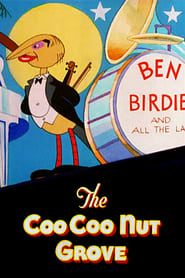
star 5.6A visit to a Hollywood nightclub, featuring caricatures of, among others, Walter Winchell, Hugh Herbert, W.C. Fields, Katharine Hepburn, Ned Sparks, Johnny Weissmuller, Lupe Velez, John Barrymore, Harpo Marx, George Arliss, Mae West, Stan Laurel, Oliver Hardy, Clark Gable, Edna May Oliver, Gary Cooper, The Dionne Quintuplets, Groucho Marx, Helen Morgan, Wallace Beery, Edward G. Robinson and George Raft.Lumber Jerks
1955
Lumber Jerks
1955
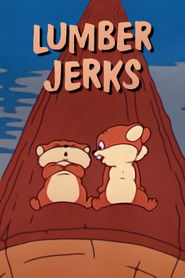
star 6.2Two polite gophers find that their home, a tree, has been cut down and taken away. They find it in a log pile about to be taken inside a processing factory. Following it into there, they become caught in the daunting machinery.Renart the Fox
2005
Renart the Fox
2005
star 5.9Renart is a sly fox who can always chit-chat his way out of sticky situations. In his quest for an elusive treasure, Renart has ample opportunity to demonstrate how a quick mind can triumph over brute strength.