Top Rated Animation Movies - Page 277
All Services
Free Services
 Netflix
 Amazon Prime Video
 Apple iTunes
 Apple TV Plus
 Disney Plus
 Google Play Movies
 Paramount Plus
 Hulu
Hulu
 HBO Max
 YouTube
 fuboTV
 Peacock
 Peacock Premium
 Amazon Video
 The Roku Channel
 AMC+
AMC on Demand
AMC+
AMC on Demand
 Kocowa
 Hoopla
 The CW
 Vudu
Vudu
 Starz
Starz
 Showtime
 PBS
PBS
 Pantaflix
 FXNow
FXNow
 Tubi TV
 Kanopy
 Comedy Central
 Crunchyroll
 Microsoft Store
 Redbox
 Sun Nxt
 ABC
ABC
 DIRECTV
 Crackle
 Fandor
 Plex
Plex
Netflix
Amazon Prime Video
Apple iTunes
Apple TV Plus
Disney Plus
Google Play Movies
Paramount Plus
Hulu
HBO Max
YouTube
fuboTV
Peacock
Peacock Premium
Amazon Video
The Roku Channel
AMC+
AMC on Demand
Kocowa
Hoopla
The CW
Vudu
Starz
Showtime
PBS
Pantaflix
FXNow
Tubi TV
Kanopy
Comedy Central
Crunchyroll
Microsoft Store
Redbox
Sun Nxt
ABC
DIRECTV
Crackle
Fandor
Plex

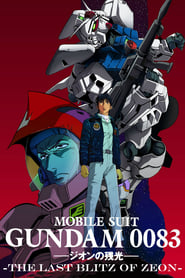
Mobile Suit Gundam 0083: Afterglow of Zeon
1992
star 7.1U.C. 0083 - Three years after the end of the catastrophic One Year War, peace on Earth and the colonies is shattered by the presence of the Delaz Fleet, a rogue Zeon military group loyal to the ideals of the late dictator Gihren Zabi. Delaz Fleet's ace pilot Anavel Gato, once hailed as "The Nightmare of Solomon", infiltrates the Federation's Torrington base in Australia and steals the nuclear-armed Gundam GP02A "Physalis" prototype. Rookie pilot Kou Uraki - with the aid of Anaheim Electronics engineer Nina Purpleton and the crew of the carrier Albion - pilots the Gundam GP01 "Zephyranthes" prototype in an attempt to recover the stolen Gundam unit and prevent another war from breaking out.The Dizzy Acrobat
1943
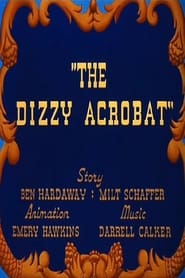
The Dizzy Acrobat
1943
star 5.9Woody Woodpecker visits the circus. Singing "I Went to the Animal Fair," he strolls through a tiger's cage. As Woody looks at a rhinoceros, the nearby lion eats Woody's hot dog. Woody gets revenge by putting the lion's tail in the bun; the lion eats his own tail. Woody next tries to sneak into the main tent, and the run-ins with the guard take up the rest of the cartoon. First, the guard tells Woody he can work for his admission by watering an elephant, but he's not pleased when Woody ties the elephant's trunk to a hydrant. The chase is on, leading into the lion tamer's cage, onto the trapeze, and bicycling across the tightrope. Both Woody and the guard end up as targets in the shooting gallery.The Lone Chipmunks
1954
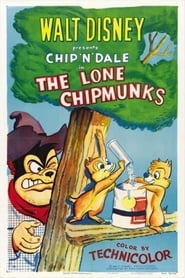
The Lone Chipmunks
1954
star 6.8In this Lone-Ranger spoof,a cleaned-up version of Pegleg Pete robs a western bank and makes his getaway, and decides to hide his loot in a tree inhabited by two chipmunks, the chattering-and-clattering Chip 'n' Dale. They resent the intrusion but really begin to give Pete a hard time when they discover a reward if posted for his capture. The cavalry arrives but Chip 'n' Dale have the situation well in hand.Mermaid
1964
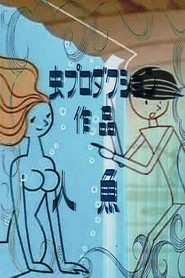
Mermaid
1964
star 6.1A dreamy boy in a distant country saves a fish beached on the shore. When he lets it loose in a pool of water, the fish turns into a beautiful mermaid.Memory
1964
Memory
1964
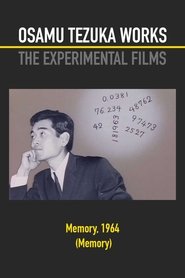
star 5.8This is a short, privately produced animated film. While elucidating the mystery and fuzziness as well as merits and demerits of memory in idealizing reality, the story develops into a tale of destruction of human beings, turning the existence of the earth into a memory of the universe. The production, only 5 minutes long, greatly helps expand the viewer's imagination, embodying the enchantment of animation.The Little Prince and the Eight-Headed Dragon
1963
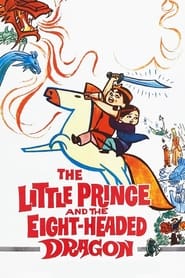
star 6.5In this influential cult-classic animated film based on Japanese folklore, Susano is the youngest son of Izanagi and Izanami, the heavenly couple who created the Earth. Still a young boy, Susano is devastated by the passing away of his mother. Determined to find her despite the reprimands of his father, he embarks on a journey to find his brother and his sister for spiritual guidance.One Night in One City
2007
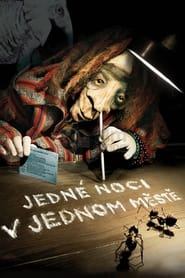
star 5.9Jan Balej's animated film One Night in One City (2007) from the Czech Republic. Very little dialogue throughout, but instead a rich world of sounds and music which more than match the detailed animation and curious vignettes that create the film.Love City
1986
Love City
1986
star 5.5In a dystopic and futuristic Tokyo, humanity’s genetic code has gone awry. At the forefront of the technology is Fraud, an organization conducting experiments on people such as Kei and Ai – two escaped “headmeters” with hefty psychokinetic powers. The sinister Mr. Lee wants nothing more to retrieve Ai back to his clutches, as she seemingly holds the key to immense power; Kei wants simply to keep Ai safe; and the evil Lai Lo Ching has his own master plan. Along with the help of the amnesiac headmeter K2 and a trusty sidekick, Kei must fight to protect Ai from the evils of Mr. Lee, Lai Lo Ching, and the state of the world itself!Princess Iron Fan
1941
Princess Iron Fan
1941
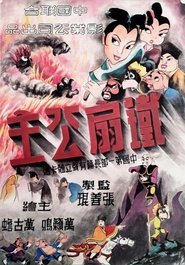
star 5.3The story was liberally adapted from a short sequence in the popular Chinese folk tale Journey to the West. Princess Iron Fan is a main character. Specifically, the film focused on the duel between the Monkey King and a vengeful princess, whose fan is desperately needed to quench the flames that surround a peasant village.The Cat That Looked at a King
2004
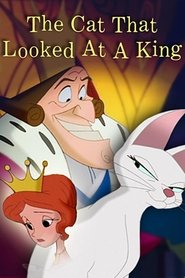
star 6.1This short film is a combination of live-action and animation. It is done in the style of the chalk drawings seen in the original "Mary Poppins" film and was produced exclusively for the 40th Anniversary Special Edition DVD released in December of 2004. Julie Andrews and two children magically enter the animated world of the chalk drawings to experience this whimsical tale based on one of the chapters from the original series of "Mary Poppins" books.The Nutcracker and the Mouseking
2004
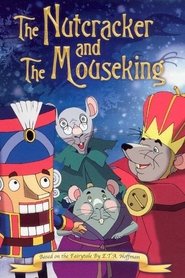
star 6.1The fairytale story revolves around a young prince who - along with his entourage - is turned into a nutcracker through his own ungrateful and selfish behaviour, and awaits a kindly soul who'll release him from the spell. The mouse-king seeks the magic that made this happen so that he can become all-powerful. The prince (now a nutcracker) finds hope in the form of a girl who risks everything to help him become real again, while the mouse-king and his armies do everything they can to steal the magic for themselves.The Little Engine That Could
2011
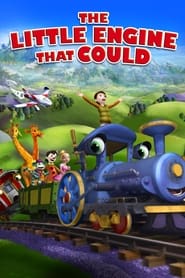
star 6.2Featuring an all-star cast, the timeless story comes to life in this all-new, feature-length film filled with fun and adventure!Melody
1953
Melody
1953
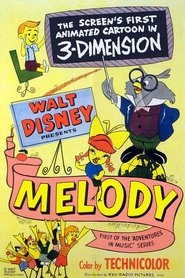
star 5.8An owl teaches his class full of birds about melody. It's all around in nature. Only birds and man can sing; man "sings" even when he speaks. We see a quick survey of the stages of life, as captured by songs: the alphabet song for primary school, Here Comes the Bride, The Old Gray Mare, etc. Some inspirations for song are outlined in song: love, sailing, trains, the West, motherhood, etc., but "we never sing about brains." Finally, an example of how a simple melody can be expanded into a symphony: an elaborate version of the simple tune that opened the lessonGlassy Ocean
1998
Glassy Ocean
1998
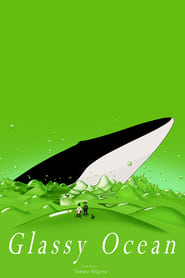
star 6.7On what apparently is a parallel world, time flows in a much slower pace than normal. The ocean remains on a solid state of matter as the eccentric individuals who inhabit this land casually wander over it.Mermaid's Scar
1993
Mermaid's Scar
1993
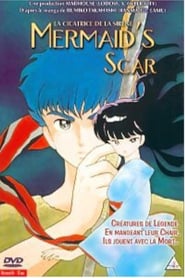
star 5.8According to an ancient Japanese legend, mermaid flesh may grant immortality if eaten. However, there is a much greater chance that consumption will lead to death or transformation into a damned creature known as a Lost Soul (or Deformed Ones in the English dub). Mermaid Saga tells the tale of Yuta, an immortal who has been alive for five hundred years, who is wandering across Japan searching for a cure and meeting others whose lives have also been ruined by mermaid flesh in the process.The Purloined Pup
1946
The Purloined Pup
1946
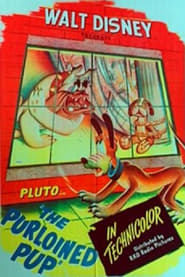
star 6.8Police dog Pluto is tracking down Butch, the dog that abducted rich dog "Ronnie" for a 10,000 bone ransom. Pluto releases Ronnie, but is hunted by Butch.In Dutch
1946
In Dutch
1946
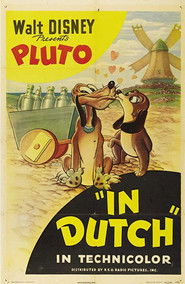
star 6.7In Holland, Pluto acts as a milkman (dog?) leaving canisters of milk on the town's doorsteps. While going about his job, he falls head over heels in love with Dinah the dachshund. In his enthusiasm, he accidentally rings the dike bell causing the town to think the dike is leaking. When the fraud is exposed, Pluto and Dinah are kicked out of the town. Upon leaving, they both notice the dike actually has sprung a leak. While Dinah plugs the leak, Pluto must return to the town and find a way to get the residents to follow him to the dike leak.First Aiders
1944
First Aiders
1944
star 5.9Minnie's learning first aid; she asks Pluto and Figaro for help. Pluto keeps throwing Figaro into buckets and otherwise getting him into trouble. Then, when Minnie has Pluto all trussed up in splints, Figaro taunts him.Max & Co
2007
Max & Co
2007
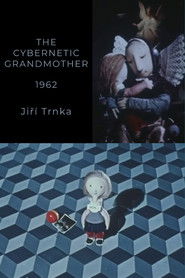
star 6.315-year-old Max is in search of his father, the famous troubadour Johnny Bigoude, who disappeared shortly after Max's birth. He reaches Saint-Hilare where Madam Doudou, the old teacher, takes care of him and finds him a job as elevator musician in the fly swatter factory Bzzz & Co. But the factory doesn't run well and half of the village gets fired. To boost the swatter sales, a dangerous scientist creates a mass production of flies. Soon, a thick cloud of insects attacks the village... With courage and determination, Max and his new friend Félicie will do their best to neutralize the insane projects of Bzzz&Co. Will they manage to convince the villagers to help them in this adventure? All together will they stop the scientist's crazy handlings? And will Max find his father?Cybernetic Grandma
1963
Cybernetic Grandma
1963
star 6Trnka’s sci-fi vision of the future in which machines and robots try to substitute themselves into the most beautiful human relationships. A cybernetic robot is supposed to substitute for the loving grandmother of a little girl. The wise grandmother, however, comes back and the girl finds the warmth of her grandmother’s loving arms again. Trnka’s artistic ideas in this film can be described as both poetically fragile and dramatically cautionary.