Top Rated History Movies - Page 184
All Services
Free Services
 Netflix
 Amazon Prime Video
 Apple iTunes
 Apple TV Plus
 Disney Plus
 Google Play Movies
 Paramount Plus
 Hulu
Hulu
 HBO Max
 YouTube
 fuboTV
 Peacock
 Peacock Premium
 Amazon Video
 The Roku Channel
 AMC+
AMC on Demand
AMC+
AMC on Demand
 Kocowa
 Hoopla
 The CW
 Vudu
Vudu
 Starz
Starz
 Showtime
 PBS
PBS
 Pantaflix
 FXNow
FXNow
 Tubi TV
 Kanopy
 Comedy Central
 Crunchyroll
 Microsoft Store
 Redbox
 Sun Nxt
 ABC
ABC
 DIRECTV
 Crackle
 Fandor
 Plex
Plex
Netflix
Amazon Prime Video
Apple iTunes
Apple TV Plus
Disney Plus
Google Play Movies
Paramount Plus
Hulu
HBO Max
YouTube
fuboTV
Peacock
Peacock Premium
Amazon Video
The Roku Channel
AMC+
AMC on Demand
Kocowa
Hoopla
The CW
Vudu
Starz
Showtime
PBS
Pantaflix
FXNow
Tubi TV
Kanopy
Comedy Central
Crunchyroll
Microsoft Store
Redbox
Sun Nxt
ABC
DIRECTV
Crackle
Fandor
Plex

Yalom's Cure
2014
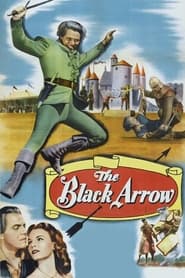
The Black Arrow
1948
The Black Arrow
1948
star 5.2A young British nobleman comes back from fighting in the War of the Roses to discover that his father has been murdered by an old family friend who is now an outlaw. However, he becomes suspicious about the exact circumstances of his father's death and determines to find out exactly what happened.General Suvorov
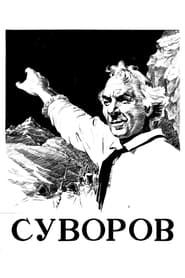
1941
General Suvorov
1941
star 5.8Primarily a biographical documentary about the military career of Alexander Vasilvich Suvorov, who was Field Marshal of the armies of Catherine the Great and Czar Paul I. After many military successes during the reign of Catherine, General Suvorov broke with her successor, Paul I, the Mad Emperor, over questions regarding army policy. He went into retirement and wrote "The Science of Victory," containing maxims such as "Swiftness of movement accompanies victory," and "the real general is he who defeats the enemy before reaching him." The czar recalled Suvorov to become the leader of the joint armies of Russia and Austria against Napoleon.Feelings
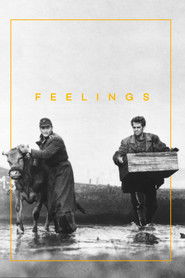
1968
Feelings
1968
star 5.8When a widowed fisherman moves in with his brother and sister-in-law to escape the collapsing Nazi forces, he finds himself caught up, like Lithuania itself, in perilous questions of collaboration and occupation, resistance and escape.Apur Panchali
2014
Apur Panchali
2014
star 5.9Arko, a film student, invites Subir Banerjee, who played the legendary role of Apu, to attend an award ceremony in Germany. But the old man hesitates to accept the invitation.Chickamauga
1962
Chickamauga
1962
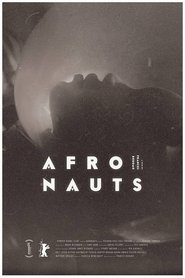
star 7.1A deaf and mute little boy wanders away from home in the aftermath of the battle of Chickamauga, one of the bloodiest conflagrations of the American Civil War.Afronauts
2014
Afronauts
2014
star 6.716th July 1969: America prepares to launch Apollo 11. Thousands of kilometers away, a ragtag group of Zambian exiles is trying to beat America to the Moon.The Airship
1994
The Airship
1994
star 5.1A French woman arrives in Montevideo, to meet poet Juan Carlos Onetti and investigate the story of the city. She is intrigued by the photograph of the day when president Bordaz was killed and a zeppelin flew above the city at the turn of the century. She is helped by a photographer and both fall into a police intrigue.Orphans
2014
Orphans
2014
star 5.4Orphans is the true story of a forbidden love affair set in the oppressive and violent atmosphere of nineteenth century Mexico. One man, Melchor Ocampo, driven by the twin passions of love and idealism, defies the stain of illegitimacy to shake off the crippling yoke of Spain and the Catholic Church. In so doing he becomes a founding figure of modern day Mexico.Mamay
2003
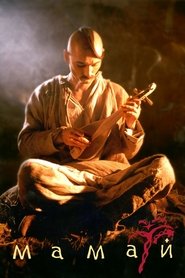
Mamay
2003
star 6.2Mamay draws on traditional Ukranian and Tatar folktales for its Romeo and Juliet-like love story and parable about chivalry and the struggle for freedom. Hundreds of years ago, in the wild steppes of Crimea that form an uneasy border between East and West, Europe and Asia, nomad and farmer, the proud Cossack Mamay falls in love with the Tatar beauty Omai. The title, like the storyline, holds a variety of different meanings taken from different cultures. In Turkic languages, it means "no one," but it was also the name of a famous Mongol conqueror, the great grandson of Ghengis-Khan. In Persian legends, mamay literally means "the spirit of the steppes. "The Loyal 47 Ronin
1958
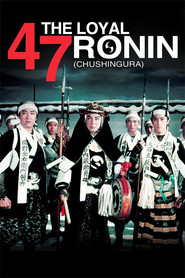
The Loyal 47 Ronin
1958
star 6Japan, 1701. A group of samurai become rônin after their lord is forced to commit seppuku for assaulting a court official, who will become the target of a merciless revenge.The Second Game
2014
The Second Game
2014
star 5.6A deceptively simple set-up: the director and his father watch a 1988 football match which the father refereed, their commentary accompanying the original television images in real time. A Bucharest derby between the country’s leading teams, Dinamo and Steaua, taking place in heavy snow, one year before the revolution that toppled Ceaușescu.Titanic's Final Mystery
2012
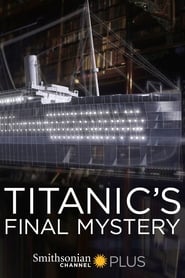
star 7.3The sinking of the RMS Titanic remains one of the most enduring and mysterious tragedies of the 20th century. For decades, investigators and amateurs alike have floated theories for why it occurred and who was to blame for the extraordinary loss of life, but no one answer could fully explain what happened. Until now. To mark the 100th anniversary of the infamous disaster, Smithsonian Channel will premiere Titanic's Final Mystery. The two-hour special investigates a century of theories and uncovers astonishing new forensic evidence that proves the most likely theory for the case.1871
1990
Primary Russia
1986
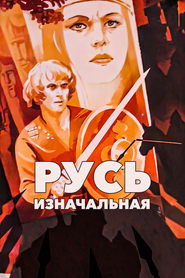
Primary Russia
1986
star 4.6The film takes place in pre-Christian Russia, when Ratibor united the East Slavs into one army against the nomadic Khazars.Brave New Land
2000
Brave New Land
2000
star 5.2Diogo is a cartographer and artist who is encharged to set the new frontiers of Portuguese Colonies in South America. When he reaches the center of the continent, finds apparently nothing but wilderness and ‘uncivilized’ natives with strange ways of living. But Captain Pedro, the rude scout who guides him through the jungle, involves Diogo in an involuntary act of violence which will tie him in an unusual way to that far away country. At the same time, the Portuguese colonists are trying to make peace with Guaicuru Indians (one of the few natives with horse-riding abilities). But peace doesn’t ever have a low price.The Miracle
2009
The Miracle
2009
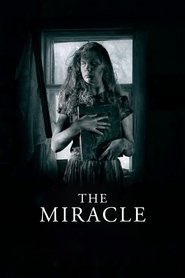
star 4.8The film is based on real events that took place in Samara in 1956 and known as the "Standing Zoe." During the holiday girl, without waiting her betrothed, removes the icon from the wall and Nicholas begins to dance with her, but suddenly freezes in place. This state continues for many months. Residents of the provincial town are frightened by this extraordinary event, which is cluttered with rumors and speculation. To try to understand the situation, there goes metropolitan newspaper journalist ...Stairway to Light
1945
Stairway to Light
1945
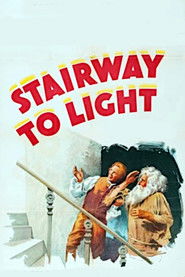
star 7This John Nesbitt's Passing Parade short tells the story of 18th Century French physician Dr. Philippe Pinel, who initiated enlightened, humane treatment of the mentally ill.The Declaration of Independence
1938
star 6.3This historical featurette focuses on Caesar Rodney of Delaware who in the summer of 1776 cast the deciding vote, at the meeting of the Continental Congress in Philadelphia, so that the Declaration of Independence was adopted.Stalin, the Red Tyrant
2007
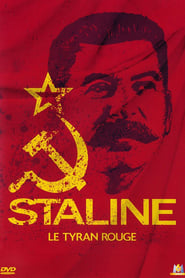
star 6.4On March 9, 1953, Joseph Stalin was buried in Moscow in front of a million people. His funeral is that of a demi-God. Ultimate paradox for one of the greatest criminals in History who brought misfortune to his people while arousing collective admiration.