Top Rated History Movies - Page 224
All Services
Free Services
 Netflix
 Amazon Prime Video
 Apple iTunes
 Apple TV Plus
 Disney Plus
 Google Play Movies
 Paramount Plus
 Hulu
Hulu
 HBO Max
 YouTube
 fuboTV
 Peacock
 Peacock Premium
 Amazon Video
 The Roku Channel
 AMC+
AMC on Demand
AMC+
AMC on Demand
 Kocowa
 Hoopla
 The CW
 Vudu
Vudu
 Starz
Starz
 Showtime
 PBS
PBS
 Pantaflix
 FXNow
FXNow
 Tubi TV
 Kanopy
 Comedy Central
 Crunchyroll
 Microsoft Store
 Redbox
 Sun Nxt
 ABC
ABC
 DIRECTV
 Crackle
 Fandor
 Plex
Plex
Netflix
Amazon Prime Video
Apple iTunes
Apple TV Plus
Disney Plus
Google Play Movies
Paramount Plus
Hulu
HBO Max
YouTube
fuboTV
Peacock
Peacock Premium
Amazon Video
The Roku Channel
AMC+
AMC on Demand
Kocowa
Hoopla
The CW
Vudu
Starz
Showtime
PBS
Pantaflix
FXNow
Tubi TV
Kanopy
Comedy Central
Crunchyroll
Microsoft Store
Redbox
Sun Nxt
ABC
DIRECTV
Crackle
Fandor
Plex

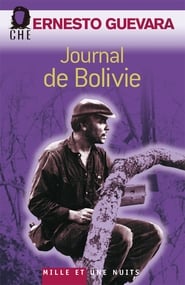
Ernesto Che Guevara, the Bolivian Diary
1994
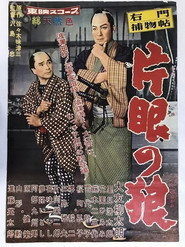
star 7.5A documentary about Che Guevara in Bolivia, based upon his journal listing daily agendasCase of Umon: One-Eyed Wolf
1959
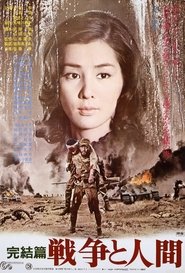
star 5.6Five swordsmen are murdered and hung from a tree and the chase is on to find the killers. Two magistrates pursue the leads to solve the crime and it leads to a potential conspiracy to kill the Shogun.Men and War III: The Final Chapter
1973
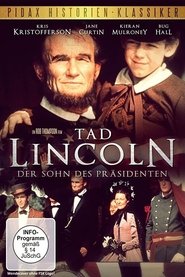
star 6Final part of epic drama about war and its effects upon human beings, follows the fortunes of the Godai family through the Sino-Japanese War through the Soviet Union's sudden attack upon Japanese troops at the end of the war.Tad
1995
Tad
1995
star 6.8The story of Abraham Lincoln's presidency told from the perspective of his son, Tad.Rita, the documentary
2018
star 6.5An aesthetic and politic portrait of Mexico ́s 90s decade through the biography of artist Rita Guerrero (1964-2011), who developed in different fields, mostly music and theater. She was the vocalist of Santa Sabina, a rock band in which she was the most remarkable figure. She committed herself to different social movements such as the Zapatista Army Movement (EZLN) and the Electoral Left. She died at 46 from breast cancer. Her voice and music left a mark on a generation.Boy on the Bridge
2016
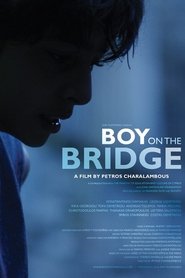
Boy on the Bridge
2016
star 7.2In a seemingly idyllic Cypriot village, twelve-year-old Socrates finds himself in the centre of a murder investigation that exposes a dark family secret and changes his life forever.Ludwig 1881
1993
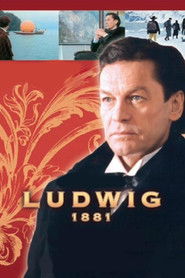
Ludwig 1881
1993
star 4.8In 1881 Ludwig of Bavaria goes on a cruise on a Swiss lake. He takes with him a famous actor, Josef Kainz, to act out the scenes from a story which took place on the lake, at the actual locations.Jacob's Century
2016
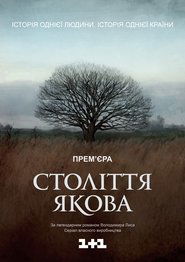
Jacob's Century
2016
star 6.2Human history, which is against the will was drawn into historical conflicts.The Virgin who Forged a Fatherland
1942
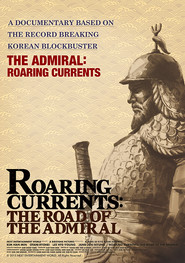
star 6On the eve of the Grito de Dolores and faced with the threat of being arrested by the viceregal government, Miguel Hidalgo suggested to Captain Allende that the flag of the insurgent movement be the banner of the Virgin of Guadalupe.Roaring Currents: The Road of the Admiral
2015
star 9.3The staff of "The Admiral: Roaring Currents", the biggest film of all time at the South-Korean box office, has assembled once again for a documentary. Critically acclaimed director KIM Han-min and his team delves into the actual background, prelude, and preparations of Admiral YI Sun-sin in 1597 and how the admiral’s battle plans have won him his most remarkable victory throughout his career.The Olympic Dream: 1936 Nazi Games
2016
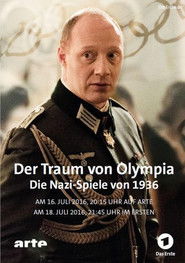
star 6.5Leni Riefenstahl's flamboyant Nazi aesthetics shaped the public image of the 1936 Olympics. Never before had sports and politics been mixed. Through archive photos and reconstructions, we get a closer look into the historical propaganda show.Terror! Robespierre and the French Revolution
2009
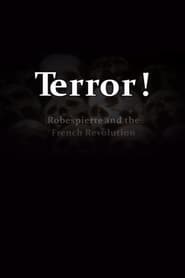
star 6.5In 1794, French revolutionary Maximilien Robespierre produced the world's first defense of "state terror" - claiming that the road to virtue lay through political violence. This film combines drama, archive and documentary interviews to examine Robespierre's year in charge of the Committee Of Public Safety - the powerful state machine at the heart of Revolutionary France. Contesting Robespierre's legacy is Slavoj Zizek, who argues that terror in the cause of virtue is justifiable, and Simon Schama, who believes the road from Robespierre ran straight to the gulag and the 20th-century concentration camp. The drama, based on original sources, follows the life-and-death politics of the Committee during "Year Two" of the new Republic.Searchers
2016
Searchers
2016
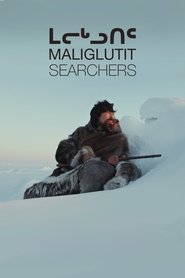
star 6.8Inuk filmmaker Zacharias Kunuk (Atanarjuat: The Fast Runner) returns with this Arctic epic inspired by the classic John Ford western of the same name, about a vengeful husband who sets off in pursuit of the violent men who kidnapped his wife and destroyed his home.Le Ride
2016
Le Ride
2016
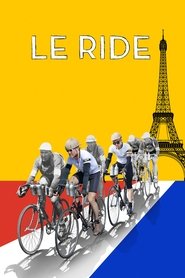
star 6In 1928 an under-resourced and untested team from New Zealand and Australia competed in what is considered to be the toughest sporting event in the world. Many considered the entry of these courageous underdogs, racing as a team of 4 against teams of 10, a joke. One French journalist called their attempt nothing short of murder. 168 riders started the more than 3,500-mile race, only 41 finished. Surprisingly this remarkable story about the achievements of these brave athletes has never been told on film, until now. Phil Keoghan - television personality, adventurer and cycling enthusiast, retraces the 1928 Tour de France route, bringing history to life. Following the original course and schedule, riding a vintage bike, Phil and his team will average 150 miles a day for 22 stages.Somuncu Baba: Askin Sirri
2016
star 7.3Based on a real life story of sufi dervish Somuncu Baba, who lived in Aksaray in Turkey.First Cavalry
1984
First Cavalry
1984
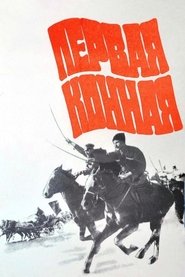
star 5.2The movie takes us back to the times of the Civil War, when the young Soviet power was defended by the first heroes of this terrible internecine war. Red commanders Semyon Budyonny and Kliment Voroshilov managed to gather an entire army of "red cavalrymen" - thus began the history of the campaigns "through valleys and up hills" of the legendary First Cavalry Army.Julius Caesar, an Historical Tragedy
1908
star 4.7Biographical drama, adaptation of Shakespeare's play.Legend of Carpathians
2018
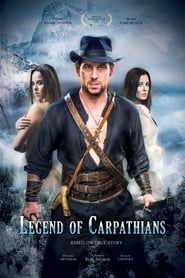
star 5.5As Carpathian legend has it, Oleksa Dovbush was a heroic outlaw with excellent fighting skills and a gift to predict the future. He was left an orphan as a small boy after a local lord murdered Oleksa's mother. After spending his childhood in exile in the mountains, he returned as a grown man to avenge his mother's death. Oleksa gathered followers to begin a crusade against the lord, but destiny made other plans for him.Cananea
1978
Cananea
1978
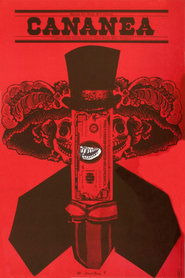
star 5.8Based on a true story in the American owned Cananea mine. It depicts how the owner profits while the Mexican workers struggle to survive and are exploited for their labour.