Top Rated Music Movies - Page 390
All Services
Free Services
 Netflix
 Amazon Prime Video
 Apple iTunes
 Apple TV Plus
 Disney Plus
 Google Play Movies
 Paramount Plus
 Hulu
Hulu
 HBO Max
 YouTube
 fuboTV
 Peacock
 Peacock Premium
 Amazon Video
 The Roku Channel
 AMC+
AMC on Demand
AMC+
AMC on Demand
 Kocowa
 Hoopla
 The CW
 Vudu
Vudu
 Starz
Starz
 Showtime
 PBS
PBS
 Pantaflix
 FXNow
FXNow
 Tubi TV
 Kanopy
 Comedy Central
 Crunchyroll
 Microsoft Store
 Redbox
 Sun Nxt
 ABC
ABC
 DIRECTV
 Crackle
 Fandor
 Plex
Plex
Netflix
Amazon Prime Video
Apple iTunes
Apple TV Plus
Disney Plus
Google Play Movies
Paramount Plus
Hulu
HBO Max
YouTube
fuboTV
Peacock
Peacock Premium
Amazon Video
The Roku Channel
AMC+
AMC on Demand
Kocowa
Hoopla
The CW
Vudu
Starz
Showtime
PBS
Pantaflix
FXNow
Tubi TV
Kanopy
Comedy Central
Crunchyroll
Microsoft Store
Redbox
Sun Nxt
ABC
DIRECTV
Crackle
Fandor
Plex

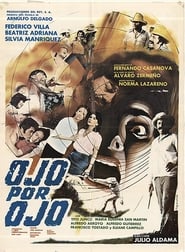
Ojo por Ojo
1981
Ojo por Ojo
1981
star 4.7A couple is attacked bu thugs and the woman is killed, the boyfriend plans his revenge.Penance
1991
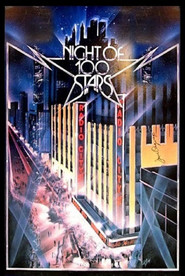
Night of 100 Stars
1982
Night of 100 Stars
1982
star 6.7The most glittering, expensive, and exhausting videotaping session in television history took place Friday February 19, 1982 at New York's Radio City Music Hall. The event, for which ticket-buyers paid up to $1,000 a seat (tax-deductible as a contribution to the Actors' Fund) was billed as "The Night of 100 Stars" but, actually, around 230 stars took part. And most of the audience of 5,800 had no idea in advance that they were paying to see a TV taping, complete with long waits for set and costume changes, tape rewinding, and the like. Executive producer Alexander Cohen estimated that the 5,800 Radio City Music Hall seats sold out at prices ranging from $25 to $1,000. The show itself cost about $4 million to produce and was expected to yield around $2 million for the new addition to the Actors Fund retirement home in Englewood, N. J. ABC is reputed to have paid more than $5 million for the television rights.No Snow For Christmas
2018
star 6'No Snow for Christmas' is an animated Christmas carol about the effects of climate change.Script Girl
1938
Script Girl
1938
star 1A movie director needs a script girl . A strip girl, misunderstanding the job title, shows up.Julie Andrews: The Sound of Christmas
1987
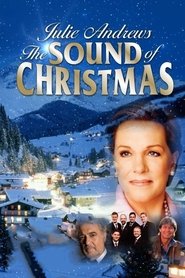
star 6.3Julie Andrews joins John Denver, Placido Domingo, and The King's Singers for a Christmas journey through time in the city of Salzburg, Austria. Written and sang with many references to "Sound", the journey takes individuals to the many filming locations and haunts that are personal to the cast with music interludes along the way.Adventures of Tarapunka and Shtepsel
1971
star 6About cheerful adventures of popular perfoming artists Shtepsel and Tarapunka, with elements of various acts interludes ,and the mechanic car invented by them.Palo Santo
2018
Palo Santo
2018
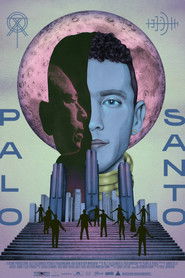
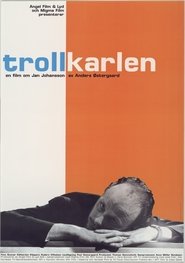
star 7.3Palo Santo, a city on a distant planet, on which human beings are a rare commodity, worshipped and idolized by an android society. Olly, along with the final humans, is recruited to perform in a series of bizarre erotic cabarets, for an artificial master known only as The Showman.Trollkarlen
1999
Trollkarlen
1999
star 8In this sober and moody documentary, director Anders Østergaard explores the life - and death - of Swedish wonder kid jazz pianist Jan Johansson through a rain-soaked windshield.Escape Into the Wild
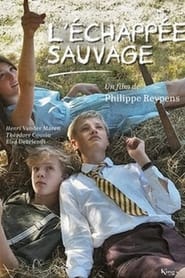
2017
Escape Into the Wild
2017
star 5.7On a warm and clear summer day in the 50s, a proud and graceful city boy meets two mischievous, free country kids. It opens up a window on a whole new world; his journey under the sun will bring him closer to nature and the harbingers of love.Bandstand
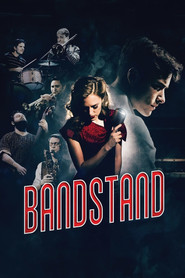
2018
Bandstand
2018
star 7.7In 1945, as America's soldiers come home to ticker-tape parades and overjoyed families, Private First Class Donny Novitski, singer and songwriter, returns to rebuild his life with only the shirt on his back and a dream in his heart. When NBC announces a national competition to find the nation's next great musical superstars, inspiration strikes! Donny joins forces with a motley group of fellow veterans, forming a band unlike any the nation has ever seen. Along the way, they discover the power of music to face the impossible, find their voice and finally feel like they have a place to call home.The Wizard of Oz on Ice
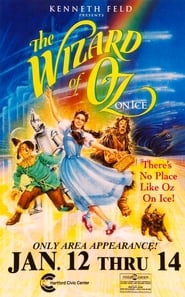
1996
star 7.7An ice-skating television adaptation of the 1939 musical film based on Lyman Frank Baum's 1900 fairy tale novel "The Wonderful Wizard of Oz".Ethiopiques: Revolt of the Soul
2017
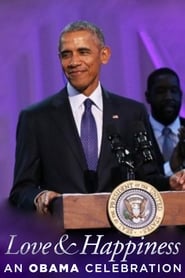
star 9.7The story of how the Western world was first introduced to the musical history of Ethiopia, through the `Ethiopiques' CDs and the mastermind behind them, French music journalist, Francis Falceto.BET Presents Love & Happiness: An Obama Celebration
2016
star 9A White House concert and celebration in honor of the 8-year Presidency of Barack Obama and the First Lady Michelle Obama.Desolation Center
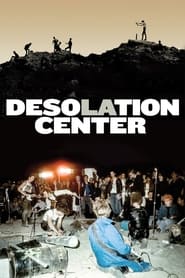
2018
Desolation Center
2018
star 9.3The untold story of a series of Reagan-era guerrilla punk and industrial desert happenings in Southern California that are now recognized as the inspiration for Burning Man, Lollapalooza, and Coachella. Interviews and rare performance footage of Sonic Youth, Minutemen, Meat Puppets, Redd Kross, Einstürzende Neubauten, Survival Research Laboratories, Savage Republic, Swans and more.Public Nuisance No. 1
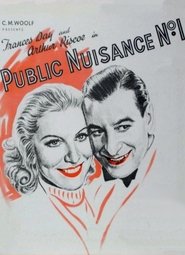
1936
star 7.3Irresponsible playboy Arthur Rawlings is sent by his uncle to work as a waiter at a hotel in the South of France. Arthur arranges for shop assistant Frances Travers, with whom he has fallen in love, to win a fairground lottery and stay in the hotel as a prize. Complications arise!Uzeyir's Life
1981
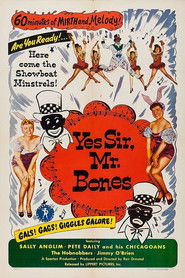
Yes Sir, Mr. Bones
1951
Yes Sir, Mr. Bones
1951
star 4.3A young boy finds himself in a home for retired minstrel acts. He's anxious to find out as much as he can about them, and flashbacks show what it was like back in the days of the minstrel shows.Time, Ago!
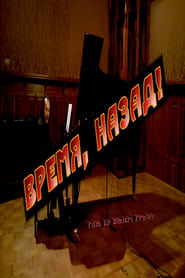
2017
Time, Ago!
2017
star 7.3"Time, forward!" - two orchestral suites by George Sviridov, published for the first time in 1968 (first suite) and in 1977 (second suite). The suites were created on the basis of music for the film "Time, Forward!" By Mikhail Schweitzer (based on the novel of the same name by Valentin Kataev, shot in 1965, released in 1966), dedicated to the construction of the Magnitogorsk Metallurgical Combine. From the first suite, the most famous part is "Time, forward!". Subsequently, it was used in a number of films, in television and radio programs, documentary films about the first five-year plans, industrialization, and post-war reconstruction. Sergei Oskolkov composed his suite: "Time, back!" The film is dedicated to the 100th anniversary of the revolution in Russia.