Top Rated War Movies on Amazon Prime Video - Page 28
All Services
Free Services
 Netflix
 Amazon Prime Video
 Apple iTunes
 Apple TV Plus
 Disney Plus
 Google Play Movies
 Paramount Plus
 Hulu
Hulu
 HBO Max
 YouTube
 fuboTV
 Peacock
 Peacock Premium
 Amazon Video
 The Roku Channel
 AMC+
AMC on Demand
AMC+
AMC on Demand
 Kocowa
 Hoopla
 The CW
 Vudu
Vudu
 Starz
Starz
 Showtime
 PBS
PBS
 Pantaflix
 FXNow
FXNow
 Tubi TV
 Kanopy
 Comedy Central
 Crunchyroll
 Microsoft Store
 Redbox
 Sun Nxt
 ABC
ABC
 DIRECTV
 Crackle
 Fandor
 Plex
Plex
Netflix
Amazon Prime Video
Apple iTunes
Apple TV Plus
Disney Plus
Google Play Movies
Paramount Plus
Hulu
HBO Max
YouTube
fuboTV
Peacock
Peacock Premium
Amazon Video
The Roku Channel
AMC+
AMC on Demand
Kocowa
Hoopla
The CW
Vudu
Starz
Showtime
PBS
Pantaflix
FXNow
Tubi TV
Kanopy
Comedy Central
Crunchyroll
Microsoft Store
Redbox
Sun Nxt
ABC
DIRECTV
Crackle
Fandor
Plex

Field of Operations: D-Day
2021
The Normandy landings were the landing operations and associated airborne operations on Tuesday, 6 June 1944 of the Allied invasion of Normandy in Operation Overlord during World War II. Codenamed Operation Neptune and often referred to as D-Day, it was the largest seaborne invasion in history. The operation began the liberation of German-occupied France (and later western Europe) and laid the foundations of the Allied victory on the Western Front.The Harlem Hellfighters' Great War
2017
Nicknamed the "Harlem Hellfighters", these African-Americans wanted to become ordinary citizens like everyone else. They saw fighting heroically in the trenches as their chance to achieve this. In 1918, the 15th New York National Guard Regiment became the most highly decorated unit of the First World War.The Last Fallen Soldier
2014
Takes us to the morning of November 11, 1918, the day the Allies and German Military Forces declared peace, putting an end to almost 5 years of war. We follow the day of Augustin Trébuchon, the last Frenchman killed in the Great War.Seven Lost
2022
Seven Lost
2022
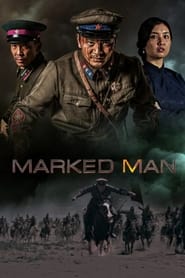
An American troop stranded in the Italian wilderness, struggle to find their way back to safety during World War 2.Marked Man
2020
Marked Man
2020
Commander Dandar is falsely charged with treason and sent to live the rest of his life in war camp with the very enemies he once fought.Mission Dynamo
1989
Mission Dynamo
1989
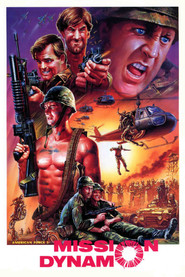
The Vietnam war and terrorists led by Torosky battle it out with South Vietnamese forces assisted by the American Army. For squad leader Merlin and PFC Bill, the war has become so meaningless that they don't care anymore. Seeing their friends die, they decide to desert and soon discover that there is no sanctuary in the jungle. It's only a matter of time before Torosky catches up with them. Hong Kong cut and paste edit of the 1986 Thai Film "ลูกสาวพระอาทิตย์" (Daughter of the Sun)Kirby at War: La Guerre De Kirby
2017
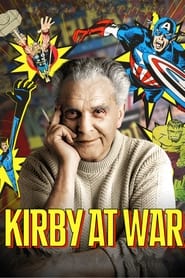
star 8Black Panther, the Avengers, Hulk, Fantastic Four, The X-Men, Thor, Iron Man - to name only some of the best known super-heroes created in the 1960s by comic book artist Jack Kirby, the super heroes which today, dominate the world wide blockbuster box office cinema. This documentary mixed with CGI form his work examines Jack Kirby’s comics through his experience as a young American soldier in WWII France. How did this terrifying experience inspire him to create Captain America, and so many others characters as the war came to a close?D-Day: The Shortest Day
2007
With testimony from the UK, the US, the Commonwealth and Germany, 'D-Day: The Shortest Day' documents the meticulous planning leading up to the world's biggest amphibious invasion, the terror and triumph of the landings and the bitterness of the fighting in the days that followed.The Silent Wrecks of Kwajalein Atoll
2004
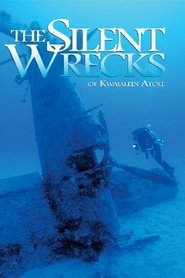
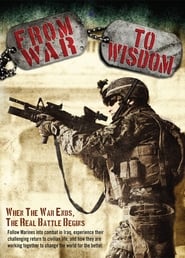
For the first time, the U.S. military has granted permission to an outside film crew to document the wrecks of Kwajalein Atoll -- a little-known outpost in the Marshall Islands.From War to Wisdom
2017
From War to Wisdom
2017
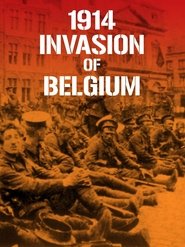
Veterans of the most decorated battalion in marine corps history discuss the psychological injuries of war, and the unexpected trauma of returning to civilian life after the accolades of their successful battles have ended.1914 Invasion of Belgium
2014
The small Belgian army held up the German advance, the British Expeditionary Force fought its first battle and the invincible German army was brought to a standstill in Belgium. This film traces that first month, the battles of Liège, Antwerp and Mons. In reconstruction it uses the words of those who took part and looks at the remains of the battlefields and the fortifications that still exist.Faith, Hope, Love
1985
Faith, Hope, Love
1985
A young poet Ivan is experiencing a lot of funny and tragic adventures during the years of Civil War in Russia.Norjmaa
2014
Norjmaa
2014
During WWII, two injured soldiers, one Japanese and one Russian, are rescued and nursed back to health by a Mongolian goat herder.Cypress Under Water
2018
Cypress Under Water
2018
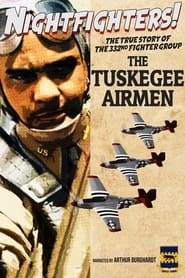
The secret of the worldview of dignity is revealed? This mystery of sleep will spit Marsh, Mahro, Goodarz, Bahram, Jahangir Major Pushis. Jahanbakhsh begins a long journey to prove his innocence and the return of tranquility. A journey that will end the life of many of them.Nightfighters: The True Story Of The 332nd Fighter Group--The Tuskegee Airmen
1994
The story of the Tuskegee Airmen, a group of African American pilots who saw combat during the Second World War. The 332nd Fighter Group stands apart from any other air force fighter groups in the Second World War: all personnel, from pilots to ground crew to surgeons, were black. They confounded expectations and prejudices existing in America in the thirties and forties about the abilities of black Americans. They excelled as pilots and became a crack unit, showing great courage and skill and achieving where other fighter groups had failed. Despite this, they were segregated on the ground and in the air from the white flyers whose lives they protected. (Alexander Street)Kinderblock 66: Return to Buchenwald
2012
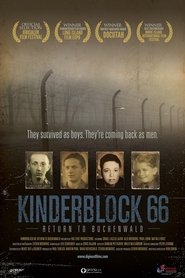
Kinderblock 66 is the story of four men who, as young boys, were imprisoned by the Nazis in the notorious Buchenwald concentration camp and who, sixty-five years later, return to commemorate the sixty-fifth anniversary of their liberation. The film tells the story of the effort undertaken by the camp's Communist-led underground to protect ad save Jewish children who were arriving in Buchenwald toward the end of the Holocaust. Kinderblock 66 also tells the story of Antonin Kalina, the head of the block who was personally responsible for saving 904 boys in Buchenwald.Monte Cassino: The Soldiers' Story
2004
The months-long battle of Monte Cassino, one of the bloodiest of the second World War, is related by the Germans and Allied troops who fought it. Men of the 1st/4th Essex Battalion and the German paratroop regiment are to the fore here, as they were 60 years ago.Nazi Hunters: The Real Story
2010
This gripping documentary recounts the story of the long search for Nazis in hiding from 1945 to the present day. Sixty years of relentless investigations, set-backs, trials and dramas brought about principally by three extraordinary individuals: the Austrian death camp survivor, Simon Wiesenthal and the German/French couple Beate and serge Klarsfeld who devoted their lives to search for the highest level Nazis still at large.The Charge of the Anzacs
2014
In 1917 Australian Light Horse soldiers claimed one of the greatest ever cavalry charged victories in history. Some 95 years later, 40 Australians retraced their footsteps in living detail – from the foothills of the pyramids to the treacherous expanse of ANZAC Cove. Incorporating archival footage from the Australian War Memorial, interviews with historians, experts and authors, The Charge of The ANZACS is a detailed documentary account of Australia and New Zealand’s equine involvement in WWI. Following the Australian Light Horse Association’s attempt to re-enact the monumental journey, they commemorate the anniversary of the charge of Beersheba and explore the extraordinary lives of many fallen heroes.A Company of Heroes
2013
A Company of Heroes
2013
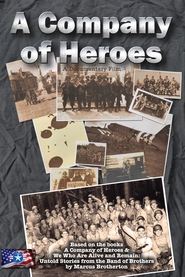
Easy Company, the 2nd Battalion of the 506th Parachute Infantry Regiment of the 101st Airborne Division, fought their way through Europe, liberated concentration camps, and drank a victory toast in April 1945 at Hitler's hideout. Veterans from Easy Company, along with the families of three deceased others, recount their horrors and victories, bonds they made and the friends they lost.