Top Rated Documentary Movies on Apple iTunes - Page 46
All Services
Free Services
 Netflix
 Amazon Prime Video
 Apple iTunes
 Apple TV Plus
 Disney Plus
 Google Play Movies
 Paramount Plus
 Hulu
Hulu
 HBO Max
 YouTube
 fuboTV
 Peacock
 Peacock Premium
 Amazon Video
 The Roku Channel
 AMC+
AMC on Demand
AMC+
AMC on Demand
 Kocowa
 Hoopla
 The CW
 Vudu
Vudu
 Starz
Starz
 Showtime
 PBS
PBS
 Pantaflix
 FXNow
FXNow
 Tubi TV
 Kanopy
 Comedy Central
 Crunchyroll
 Microsoft Store
 Redbox
 Sun Nxt
 ABC
ABC
 DIRECTV
 Crackle
 Fandor
 Plex
Plex
Netflix
Amazon Prime Video
Apple iTunes
Apple TV Plus
Disney Plus
Google Play Movies
Paramount Plus
Hulu
HBO Max
YouTube
fuboTV
Peacock
Peacock Premium
Amazon Video
The Roku Channel
AMC+
AMC on Demand
Kocowa
Hoopla
The CW
Vudu
Starz
Showtime
PBS
Pantaflix
FXNow
Tubi TV
Kanopy
Comedy Central
Crunchyroll
Microsoft Store
Redbox
Sun Nxt
ABC
DIRECTV
Crackle
Fandor
Plex

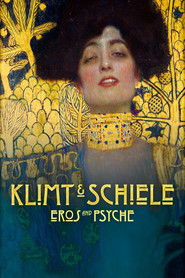
Klimt & Schiele: Eros and Psyche
2018
star 71918. As the roar of the First World War cannons is dying out, in Vienna, the heart of Central Europe, a golden age comes to an end. The Austro-Hungarian Empire is beginning to disintegrate. On the night of October 31st, in the bed of his home, Egon Schiele dies, one of the 20 million deaths caused by the Spanish flu. He dies looking at the invisible evil in the face, in the only he can do: painting it. He is 28 years old. Only a few months earlier, the main hall of the Secession building had welcomed his works: 19 oil paintings and 29 drawings. His first successful exhibition, a celebration of a new painting idea that portrays the restlessness and desires of mankind.A few months earlier, his teacher and friend Gustav Klimt had died. From the turn of the century, he had fundamentally changed the feeling of art and founded a new group: the Secession.Grace Jones: Bloodlight and Bami
2017
star 5.7The life of the magnetic Jamaican musician, actress, model and party queen Grace Jones featuring concert performances and intimate, personal footage.The Last Shaman
2017
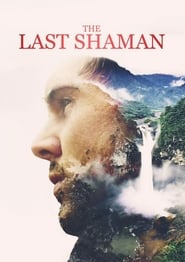
The Last Shaman
2017
star 7.2James, giving himself 12 months before he has "a license to kill himself," sets off to the Amazon rainforest with hopes of finding a shaman who can save his life.Hitler's Hollywood
2017
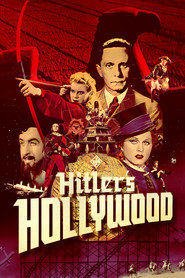
Hitler's Hollywood
2017
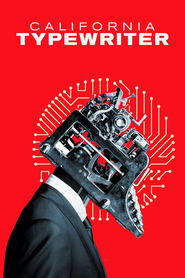
star 6.4Film journalist and critic Rüdiger Suchsland examines German cinema from 1933, when the Nazis came into power, until 1945, when the Third Reich collapsed. (A sequel to From Caligari to Hitler, 2015.)California Typewriter
2017
star 6.9A story about people whose lives are connected by typewriters. A meditation on creativity and technology featuring Tom Hanks, John Mayer, Sam Shepard, David McCullough and others.The Story of Frozen: Making a Disney Animated Classic
2014
star 7.9A behind-the-scene look at the origins and evolution of the Academy Award-winning film.Master of the Universe
2013
star 7.2He was one of Germany's leading investment experts with an income of several million Euros per day. Now, he sits on one of the upper floors of an empty bank building in the middle of Frankfurt, overlooking a skyline of glass and steel. And talks. In an extended mix of a monologue and an in-depth interview, which is as frightening as it is fascinating, he shares his inside knowledge from a megalomaniac parallel world where illusions are the market's hardest currency. Marc Bauder's 'Master of the Universe' is based on meticulous research and provides us with geniune insight into the notoriously secretive and self-protective 'universe' of which our nameless protagonist experiences himself a master. Where other films on the financial meltdown have focused on the epic nature of larger-than-life business, Bauder probes the mentality that made it possible in the first place. A tense drama where psychology meets finance - two things that are more closely linked than you would like to believe.Jimi Hendrix: Hear My Train a Comin'
2013
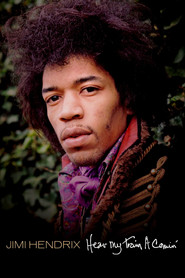
star 7.5An account of the short life of genius musician Jimi Hendrix (1942-70), probably the most talented and influential guitarist of the twentieth century: his humble beginnings in Seattle, his time in New York, his rise to fame in swinging London… Live fast, love hard, die young.The Dog
2013
The Dog
2013
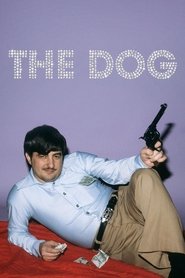
star 6.7In 1972, John Wojtowicz attempted to rob a Brooklyn bank to pay for his lover’s sex-change operation. The story was the basis for the film Dog Day Afternoon. The Dog captures John, who shares his story for the first time in his own unique, offensive, hilarious and heartbreaking way. We gain a historic perspective on New York's gay liberation movement, in which Wojtowicz played an active role. In later footage, he remains a subversive force, backed by the unconditional love of his mother Terry, whose wit and charm infuse the film. How and why the bank robbery took place is recounted in gripping detail by Wojtowicz and various eyewitnesses.Mademoiselle C
2013
Mademoiselle C
2013
star 5.6A documentary focused on former Vogue Paris editor-in-chief and fashion stylist Carine Roitfeld.TINY: A Story About Living Small
2013
star 6.5What is home? And how do we find it? TINY follows one couple's attempt to build a Tiny House from scratch with no building experience, and profiles other families who have downsized their lives into houses smaller than the average parking space. Through homes stripped down to their essentials, the film raises questions about sustainability, good design, and the changing American Dream.Valentine Road
2013
Valentine Road
2013
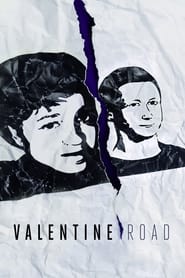
star 6.1On February 12, 2008, in Oxnard, California, eighth-grade student Brandon McInerney shot his classmate Larry King twice in the back of the head during first period. When Larry died two days later, his murder shocked the nation. Was this a hate crime, one perpetrated by a budding neo-Nazi whose masculinity was threatened by an effeminate gay kid who may have had a crush on him? Or was there even more to it?The Vanishing Prairie
1954
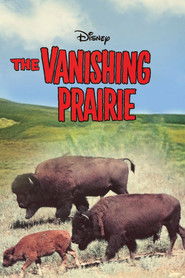
star 7.2Story of the American Prairie as it was when vast herds of bison and elk grazed.The Source Family
2013
The Source Family
2013
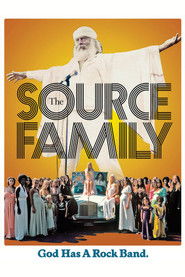
star 6A feature documentary film set in Hollywood, examining a radical experiment in '70s utopian living. The Source Family were the darlings of the Sunset Strip until their communal living, outsider ideals and spiritual leader Father Yod's 13 wives became an issue with local authorities. They fled to Hawaii, leading to their dramatic demise.Breaking the Taboo
2011
Breaking the Taboo
2011
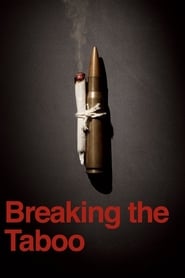
star 7.1Narrated by Morgan Freeman, this groundbreaking new documentary uncovers the UN sanctioned war on drugs, charting its origins and its devastating impact on countries like the USA, Colombia and Russia. Featuring prominent statesmen including Presidents Clinton and Carter, the film follows The Global Commission on Drug Policy on a mission to break the political taboo and expose the biggest failure of global policy in the last 50 yearsA Film Unfinished
2010
A Film Unfinished
2010
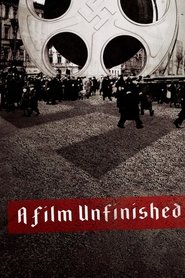
star 6.4Yael Hersonski's powerful documentary achieves a remarkable feat through its penetrating look at another film-the now-infamous Nazi-produced film about the Warsaw Ghetto. Discovered after the war, the unfinished work, with no soundtrack, quickly became a resource for historians seeking an authentic record, despite its elaborate propagandistic construction. The later discovery of a long-missing reel complicated earlier readings, showing the manipulations of camera crews in these "everyday" scenes. Well-heeled Jews attending elegant dinners and theatricals (while callously stepping over the dead bodies of compatriots) now appeared as unwilling, but complicit, actors, alternately fearful and in denial of their looming fate.Into the Arms of Strangers: Stories of the Kindertransport
2000
star 7.4In the nine months prior to World War II, 10.000 innocent children left behind their families, their homes, their childhood, and took the journey... to Britain to escape the Nazi Holocaust.Marjoe
1972
Marjoe
1972
star 7.7Part documentary, part expose, this film follows one-time child evangelist Marjoe Gortner on the "church tent" Revivalist circuit, commenting on the showmanship of Evangelism and "the religion business", prior to the start of "televangelism". Preserved by the Academy Film Archive in 2005.White Light/Black Rain: The Destruction of Hiroshima and Nagasaki
2007
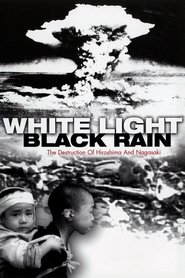
star 7.6Steven Okazaki presents a deeply moving look at the painful legacy of the first -- and hopefully last -- uses of nuclear weapons in war. Featuring interviews with fourteen atomic bomb survivors - many who have never spoken publicly before - and four Americans intimately involved in the bombings, White Light/Black Rain provides a detailed exploration of the bombings and their aftermath.Blue Collar Comedy Tour Rides Again
2004
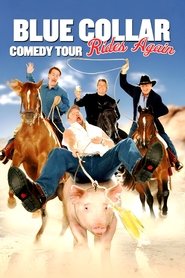
star 5.7Celebrated comedians Jeff Foxworthy, Larry the Cable Guy, Bill Engvall, and Ron White are reunited by popular demand to bring back more of their blue collar humor. The first movie was a runaway hit and the latest installment of this concert experience allows you to once again see them perform their original material on stage, up close and personal, from the best seat in the house.