Top Rated Documentary Movies on Free Services - Page 123
All Services
Free Services
 Netflix
 Amazon Prime Video
 Apple iTunes
 Apple TV Plus
 Disney Plus
 Google Play Movies
 Paramount Plus
 Hulu
Hulu
 HBO Max
 YouTube
 fuboTV
 Peacock
 Peacock Premium
 Amazon Video
 The Roku Channel
 AMC+
AMC on Demand
AMC+
AMC on Demand
 Kocowa
 Hoopla
 The CW
 Vudu
Vudu
 Starz
Starz
 Showtime
 PBS
PBS
 Pantaflix
 FXNow
FXNow
 Tubi TV
 Kanopy
 Comedy Central
 Crunchyroll
 Microsoft Store
 Redbox
 Sun Nxt
 ABC
ABC
 DIRECTV
 Crackle
 Fandor
 Plex
Plex
Netflix
Amazon Prime Video
Apple iTunes
Apple TV Plus
Disney Plus
Google Play Movies
Paramount Plus
Hulu
HBO Max
YouTube
fuboTV
Peacock
Peacock Premium
Amazon Video
The Roku Channel
AMC+
AMC on Demand
Kocowa
Hoopla
The CW
Vudu
Starz
Showtime
PBS
Pantaflix
FXNow
Tubi TV
Kanopy
Comedy Central
Crunchyroll
Microsoft Store
Redbox
Sun Nxt
ABC
DIRECTV
Crackle
Fandor
Plex

Nails
1979
Nails
1979
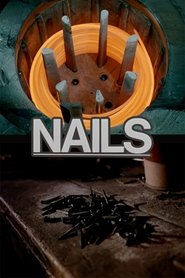
star 7This Oscar-nominated documentary short tracks the shift in the relationship of an individual to his work between the 19th century and today. Focusing on how nails are made, we first see a blacksmith laboring at his forge, shaping nails from single strands of steel rods. The scene then shifts from this peaceful setting to the roar of a 20th century nail mill, where banks of machines draw, cut, and pound the steel rods faster than the eye can follow.Universe
1976
Grazing the Sky
2013
Grazing the Sky
2013
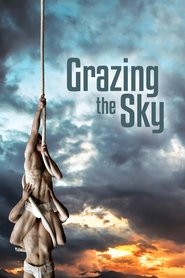
star 6.2Grazing the Sky is a compelling look at the lives of trapeze artists and other circus performers. The film was shot for over two years covering 11 countries, including the Americas, Europe and the Near East. It follows the nomadic lives of circus performers. The audience follows 10 protagonists as they try to reach perfection and meet their lofty goals. The documentary sheds light on the contemporary circus world, and focuses on performers who devote themselves to the greatest show on earth.Aspen
1991
Aspen
1991
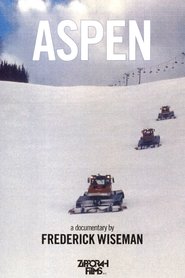
star 6.1A former mining town in Colorado’s Rocky Mountains, Aspen is now better known as a winter playground for wealthy holidaymakers. Against the majestic landscape, visitors relax while locals toil around them.Tosca's Kiss
1984
Tosca's Kiss
1984
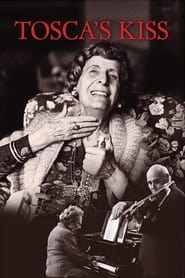
star 7.2Memoirs of the Italian Opera by the singers and musicians of the Casa Verdi, Milan, the world’s first nursing home for retired opera singers, founded by composer Giuseppe Verdi in 1896. This documentary, which has achieved cult-like status among opera and music lovers, features former singers who reminisce about their careers and their past operatic roles.Walking the Camino: Six Ways to Santiago
2013
star 5.4'A Walk to Within: The Camino de Santiago' tells the story of walking the ancient 500-mile pilgrimage across norther Spain known as 'The Camino de Santiago'. The documentary follows six strangers from incredibly diverse walks of life as they attempt to cross an entire country on foot with only a backpack, a pair of boots, and an open mind. Each pilgrim throws themselves heart-and-soul into their physical trek to Santiago de Compostela, and their personal journey to themselves. As you watch, you will learn the rich history of this honored tradition, as well as witness the Camino's remarkable ability to change lives and provide those who choose to walk its paths with a greater sense of self and spiritual knowledge.Homo Sapiens 1900
1998
Homo Sapiens 1900
1998
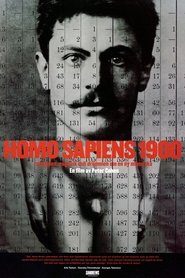
star 6.9Homo Sapiens 1900 is a 1998 documentary directed by Peter Cohen, about various eugenics methods that were in practice in Europe during the first part of the 20th century. Eugenics is to be the scientific credo of the 20th century. The man credited with its invention, Francis Galton, says it is based on the concept that the evolution of man is crippled by the ill-conceived - those unfit to breed. The study of eugenics thus would concern itself with distinguishing the weed from the good flowers.The Economics of Happiness
2011
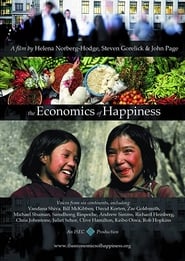
star 7.2'The Economics of Happiness' features a chorus of voices from six continents calling for systemic economic change. The documentary describes a world moving simultaneously in two opposing directions. On the one hand, government and big business continue to promote globalization and the consolidation of corporate power. At the same time, all around the world people are resisting those policies, demanding a re-regulation of trade and finance - and, far from the old institutions of power, they're starting to forge a very different future. Communities are coming together to re-build more human scale, ecological economies based on a new paradigm - an economics of localization.Gangster of Love
2013
Gangster of Love
2013
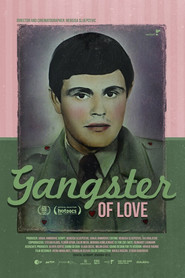
star 6.7Matchmaker Nediljko Babic, also known as "Gangster", helps a Bulgarian single mother find a new husband in Croatia. But a series of comically disastrous dates discloses the true nature of conservative Croatian men: they would rather die alone than marry a foreigner with a child.Frantz Fanon: Black Skin, White Mask
1996
star 7Explores the life and work of the psychoanalytic theorist and activist Frantz Fanon who was born in Martinique, educated in Paris and worked in Algeria. Examines Fanon's theories of identity and race, and traces his involvement in the anti-colonial struggle in Algeria and throughout the world.War on Whistleblowers: Free Press and the National Security State
2013
star 7.8War on Whistleblowers: Free Press and the National Security State highlights four cases where whistleblowers noticed government wrong-doing and took to the media to expose the fraud and abuse. It exposes the surprisingly worsening and threatening reality for whistleblowers and the press. The film includes interviews with whistleblowers Michael DeKort, Thomas Drake, Franz Gayl and Thomas Tamm and award-winning journalists like David Carr, Lucy Dalglish, Glenn Greenwald, Seymour Hersh, Michael Isikoff, Bill Keller, Eric Lipton, Jane Mayer, Dana Priest, Tom Vanden Brook and Sharon Weinberger.Dark Legacy
2009
Dark Legacy
2009
star 5.8The death of John Kennedy is viewed through another angle in this conspiracy-themed film defending the theory that George Herbert Walker Bush was a key player in all aspects of the assassination of American president John F. Kennedy.Yang ± Yin: Gender in Chinese Cinema
1998
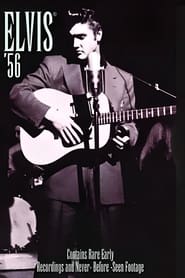
star 4.9An exploration of Chinese cinema and its relationships with gender and sexuality, which the film argues has been more frankly and provocatively explored than in any other national cinema. Utilizing both film excerpts and interviews with many leading directors and academics, the film examines topics such as male bonding in kung fu movies, depictions of same-sex bonding and physical intimacy, the emphasis on women's grievances in melodramas, and the career of Yam Kim-Fai, a Hong Kong actress who spent her life portraying men on and off the screen.Elvis '56
1988
Elvis '56
1988
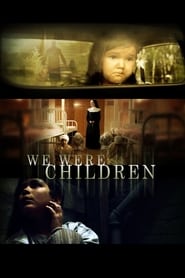
star 7.1The year Elvis Presley went from rising star to pop culture sensation is chronicled through rare footage, interviews and that pelvis-gyrating music.We Were Children
2012
We Were Children
2012
star 7.5For over 130 years till 1996, more than 100,000 of Canada's First Nations children were legally required to attend government-funded schools run by various Christian faiths. There were 80 of these 'residential schools' across the country. Most children were sent to faraway schools that separated them from their families and traditional land. These children endured brutality, physical hardship, mental degradation, and the complete erasure of their culture. The schools were part of a wider program of assimilation designed to integrate the native population into 'Canadian society.' These schools were established with the express purpose 'To kill the Indian in the child.' Told through their own voices, 'We Were Children' is the shocking true story of two such children: Glen Anaquod and Lyna Hart.The House of Suh
2010
The House of Suh
2010
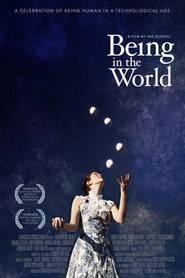
star 6.8The House of Suh” tells the story of Andrew and his sister Catherine, and how the values, conflicts, and dysfunctions of their Korean immigrant family led to the murder of Robert O’Dubaine. Eloquently narrated by Andrew, the documentary highlights issues of assimilation and the struggle between freedom and responsibility, raising questions about guilt, innocence, and the illusive gray area in-between.Being in the World
2009
Being in the World
2009
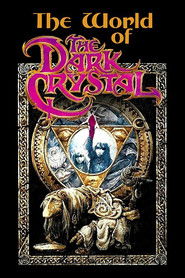
star 5.6Being in the World is a celebration of human beings, and our ability, through the mastery of physical, intellectual and creative skills, to find meaning in the world around us. This film takes us on a gripping and surprising journey around the world meeting extraordinary people, showing how we go from following rules to proficiency, to becoming masters in the form artists, craftsmen, athletes, and, ultimately, unique human beings attuned to the sacred.The World of 'The Dark Crystal'
1983
star 6.6A documentary which explores the making of Jim Henson and Frank Oz's 1982 fantasy film 'The Dark Crystal', which originally aired on PBS in the United States on January 9, 1983. This one-hour documentary details the technological innovations in the field of animatronics, art design, film making, and Henson's own brand of magic. Requiring 5 years of production, including over two years of pre-production, The Dark Crystal was inspired by the imagination of artist Brian Froud and conceived by scores of talented designers, builders, technicians, and performers. The World of the Dark Crystal shows how Jim Henson's Creature Shop in London and the Muppet Workshop in New York brought Brian Froud's art and Jim Henson's vision to life.Citizen Koch
2013
Citizen Koch
2013
star 6.9Wisconsin—birthplace of the Republican Party, government unions, cheeseheads and Paul Ryan—becomes a test market in the campaign to buy Democracy, and ground zero in the battle for the future of the GOP.Louvre City
1990
Louvre City
1990
star 6.6A voyage into the museum's reserves, and part of the extra work involved to mount the expositions after the renovation of the Louvre in the 1980s, when the glass pyramid was added to the classic buildings. From the preservation rooms through the frame and painting retouches by experts, to the personnel instruction on how to be efficient in protecting the collections, and look nice to the visitors.