Top Rated Documentary Movies on Free Services - Page 383
All Services
Free Services
 Netflix
 Amazon Prime Video
 Apple iTunes
 Apple TV Plus
 Disney Plus
 Google Play Movies
 Paramount Plus
 Hulu
Hulu
 HBO Max
 YouTube
 fuboTV
 Peacock
 Peacock Premium
 Amazon Video
 The Roku Channel
 AMC+
AMC on Demand
AMC+
AMC on Demand
 Kocowa
 Hoopla
 The CW
 Vudu
Vudu
 Starz
Starz
 Showtime
 PBS
PBS
 Pantaflix
 FXNow
FXNow
 Tubi TV
 Kanopy
 Comedy Central
 Crunchyroll
 Microsoft Store
 Redbox
 Sun Nxt
 ABC
ABC
 DIRECTV
 Crackle
 Fandor
 Plex
Plex
Netflix
Amazon Prime Video
Apple iTunes
Apple TV Plus
Disney Plus
Google Play Movies
Paramount Plus
Hulu
HBO Max
YouTube
fuboTV
Peacock
Peacock Premium
Amazon Video
The Roku Channel
AMC+
AMC on Demand
Kocowa
Hoopla
The CW
Vudu
Starz
Showtime
PBS
Pantaflix
FXNow
Tubi TV
Kanopy
Comedy Central
Crunchyroll
Microsoft Store
Redbox
Sun Nxt
ABC
DIRECTV
Crackle
Fandor
Plex

12 Months
2014
12 Months
2014
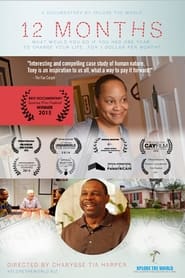
star 10"12 Months" (2014) - an award-winning documentary about a Los Angeles man who rents his three-bedroom home for $1 per month to help a family - he has never met - get on their feet. Told through the eyes of Felicia Dukes and her four children, the project puts a personal face on homelessness and encourages individuals to take personal responsibility for helping address societal concerns. This film has won Best Documentary at the Sunrise Film Festival in Nova Scotia, Canada, in October 2015, as well as has been screened within film festival in seven countries and 15 locations!Breathin': The Eddy Zheng Story
2016
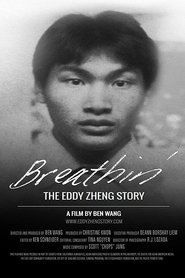
star 8Arrested at 16 and tried as an adult for kidnapping and robbery, Eddy Zheng served over 20 years in California prisons and jails. Ben Wang’s BREATHIN’: THE EDDY ZHENG STORY paints an intimate portrait of Eddy—the prisoner, the immigrant, the son, the activist—on his journey to freedom, rehabilitation and redemption. BREATHIN’ moves with a deep, critical love, unafraid in confronting the hard truths of Eddy’s crime, the harsh realities of mass incarceration and the intertwined emotional hardships experienced by all involved. The film finds Eddy at many crossroads — in and out of parole hearings, organizing in the community, othered and at risk of deportation — his resilience and astounding compassion resounding throughout. In chronicling Eddy’s decades-long struggle for freedom, the film interrogates the complexities and hypocrisies of crime and punishment in the United States, raising the greater question: For whom are prisons for?Marc and Ann
1991
Marc and Ann
1991
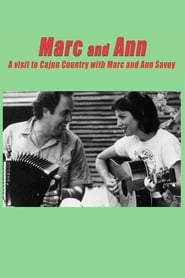
star 4Legendary filmmaker Les Blank's toe-tapping film treats us to a portrait of a musical Louisiana couple committed to celebrating and preserving Cajun culture.Un vrai faussaire
2016
Ancient Egypt
1939
Ancient Egypt
1939
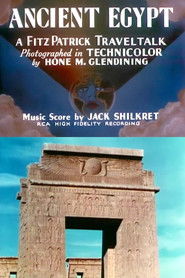
star 6This entry in the TravelTalks series visits the ancient Egypt. starting Valley of the Kings in a remote and desolate part of Egypt, the entrance to tomb of King Tut is shown, though the ts priceless treasure is now in the Cairo museum. A visit to Luxor and the ancient city of Thebes, which date to 1500 BC, follow with subsequent visits to Karnak. The film closes by noting that past and present are in harmony with the water wheel and village well still in wide use in the modern age.Bizarre: A Circus Story
2016
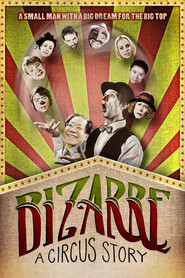
star 6An intimate look at the extraordinary life of Master Lu Yi, hailed as the father of modern acrobatics, and the vast community of big-top lovers who share his dream of a thriving US circus industry.Link-Up Diary
1987
Link-Up Diary
1987
star 2.5An extraordinary personal journey into the experience of being black in a powerful white society. "Link-up Diary" is a film about the consequences of New South Wales long term practice of taking Aboriginal children away from their parents and raising them in "white" environments. In following the reunification, after many years, of several families in Sydney, during one week of 1986, the filmmaker adopts a diary format which does not attempt to disguise awareness of the camera's presence. This awareness becomes part of the film's subject.Ningla A-Na
1972
Ningla A-Na
1972
star 7Ningla A-Na documents the activism of the Black movement in south-east Australia in the 1970s and shows how the activists changed the direction of the movement both nationally and internationally.Essex Boys: The Truth
2015
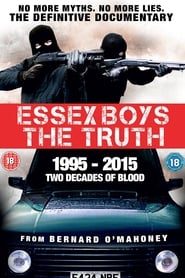
star 6On December 6th 1995, three members of the notorious Essex Boys firm were brutally executed in the most infamous gangland murders in British history. Many believe Jack Whomes and Michael Steele were wrongly convicted of the crime, and the myths and speculation surrounding the murders continues to grow. Following the investigation, a new generation of Essex Boys emerged to take over, continuing the bloodshed for years to come. Now, 20 years after the shootings, former Essex Boy and friend of one of the victims, Bernard O Mahoney, is looking to set the record straight and reveal the truth once and for all. ,Sasquatch Odyssey: The Hunt for Bigfoot
1999
star 9The four grand old men of “Bigfoot Hunting” and their often humorous yet determined forty-year quest to find the Big Hairy legend of North America.The Circle Closes
2015
The Circle Closes
2015
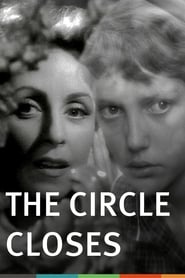
star 6An examination of four different films which to varying degrees center on a prop or an object or an item that crosses various characters' lives and passes from hand to hand. The story in each film is, to a certain extent, told from the point of view of the object which can neither speak nor evaluate the actions of the characters whose lives it touches and influences. The films? MME DE..., WINCHESTER '73, VIRDIANA and AU HASARD BALTHAZAR.Painting the Modern Garden: Monet to Matisse
2016
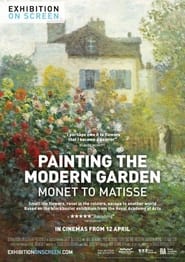
star 7.5Claude Monet was an avid horticulturist and arguably the most important painter of gardens in the history of art, but he was not alone. Great artists like Van Gogh, Bonnard, Sorolla, Sargent, Pissarro and Matisse all saw the garden as a powerful subject for their art. These great artists, along with many other famous names, feature in an innovative and extensive exhibition from The Royal Academy of Arts, London.My Mom's Motorcycle
2014
My Mom's Motorcycle
2014
star 6This is a short film about how my mom became the owner of a motorcycle for the My Rode Reel competition. More deeply it is about how people use objects to connect with times, ideas, and people.Sadness
1999
Sadness
1999
star 9Based on photographer William Yang's one man stage show, "Sadness" chronicles two diverging narratives through the use of slide photography, oral history and stylised recreation. One story follows Yang's pilgrimage into the heart of the North Queensland sugar cane fields as he investigates the murder of his uncle Fang Yuen. The other is a series of moving portraits of the many friends and lovers Yang has lost to AIDS. Director Tony Ayres skillfully weaves these two separate stories together creating a powerful testament to family, friends, love and loss. Cinematography by Tristan Milani. Narrated by William Yang.First Freedom: The Fight for Religious Liberty
2012
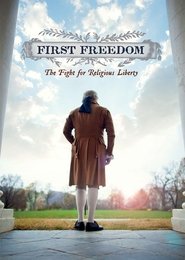
star 10First Freedom: The Fight for Religious Liberty is the story of how the most basic of human freedoms - freedom of conscience - was codified for the first time in human history as an inalienable human right protected by law.Judy Garland, Robert Goulet & Phil Silvers Special
1963
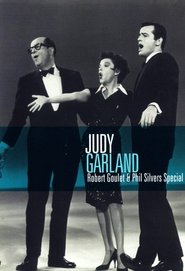
star 8This very special television event that aired February 1963 helped launch the famed Judy Garland Show which captivated TV audiences throughout 1963 and 1964. Along with co-stars Robert Goulet (who was at the time reeling from the Broadway success of Camelot) and Phil Silvers (enjoying similar success due to popular performances in TV's Sgt. Bilko) join Judy at her entertaining best for song dance and brilliant comedy.Inside the Mind of Favela Funk
2016
star 8Set in Rio de Janeiro's most notorious favelas, the underprivileged youth share their perspective on the extremely popular, pornographic favela funk music with respect to their personal (love) lives, situated in a lawless subculture of drug gangs, machismo, violence and sex.Hear Me Now
2015
Hear Me Now
2015
star 10A documentary that candidly examines school bullying and how it can be dealt with, told by those who experienced it first hand.Amos 'n' Andy: Anatomy of a Controversy
1983
star 6The history of the television version of "Amos and Andy" and the public outcry to cancel it.My Life in China
2014
My Life in China
2014
star 9In America, everyone has a family story of immigration. Every family, at some point, has had somebody leave their native country behind to search for a better life. How did they hold onto their identity? How did they adapt to their new life? Every family has a special story. In my case, it's my Chinese-American story. My father would always tell us his story about walking for 7 days and 6 nights, before swimming for 4 hours to Macau to escape communism in 1966. His story would fall on my deaf ears until I returned to China with him.