Top Rated Documentary Movies on Free Services - Page 59
All Services
Free Services
 Netflix
 Amazon Prime Video
 Apple iTunes
 Apple TV Plus
 Disney Plus
 Google Play Movies
 Paramount Plus
 Hulu
Hulu
 HBO Max
 YouTube
 fuboTV
 Peacock
 Peacock Premium
 Amazon Video
 The Roku Channel
 AMC+
AMC on Demand
AMC+
AMC on Demand
 Kocowa
 Hoopla
 The CW
 Vudu
Vudu
 Starz
Starz
 Showtime
 PBS
PBS
 Pantaflix
 FXNow
FXNow
 Tubi TV
 Kanopy
 Comedy Central
 Crunchyroll
 Microsoft Store
 Redbox
 Sun Nxt
 ABC
ABC
 DIRECTV
 Crackle
 Fandor
 Plex
Plex
Netflix
Amazon Prime Video
Apple iTunes
Apple TV Plus
Disney Plus
Google Play Movies
Paramount Plus
Hulu
HBO Max
YouTube
fuboTV
Peacock
Peacock Premium
Amazon Video
The Roku Channel
AMC+
AMC on Demand
Kocowa
Hoopla
The CW
Vudu
Starz
Showtime
PBS
Pantaflix
FXNow
Tubi TV
Kanopy
Comedy Central
Crunchyroll
Microsoft Store
Redbox
Sun Nxt
ABC
DIRECTV
Crackle
Fandor
Plex

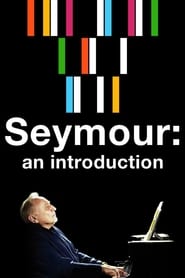
Seymour: An Introduction
2015
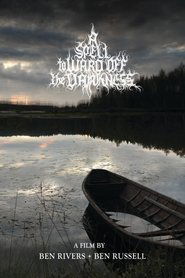
star 7.3Ethan Hawke directs this intimate documentary portrait of classical pianist, composer, author, teacher and sage Seymour Bernstein.A Spell to Ward Off the Darkness
2013
star 6.2A man at three disparate moments in his life: as a member of a fifteen-person collective on a small Estonian island, alone in the wilderness of Northern Finland and as the singer of a neo-pagan black metal band in Norway. Three moments for a radical proposition for the creation of utopia in the present.Skyscraper Symphony
1929
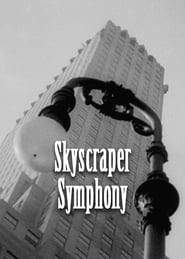
Skyscraper Symphony
1929
star 5.8A montage of the skyscrapers of Manhattan opens with a succession of stationary views of the upper portions of numerous buildings. This is followed by a wide variety of fluid shots, which also begin to show more and more of the surrounding city, in addition to the skyscrapers themselves.The Trials of Muhammad Ali
2013
star 7.1Brash boxer Cassius Clay burst into the American consciousness in the early 1960s, just ahead of the Civil Rights movement. His transformation into the spiritually enlightened heavyweight champion Muhammad Ali is legendary, but this religious awakening also led to a bitter legal battle with the U.S. government after he refused to serve in the Vietnam War. This film reveals the perfect storm of race, religion and politics that shaped one of the most recognizable figures in sports history.Flight of the Butterflies
2012
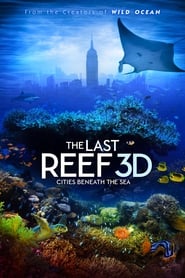
star 6.2It takes two or three generations for the monarch butterfly to reach the Canadian breeding grounds, but it is one "supergeneration" that makes the 2,000 mile return trip back south into central Mexico. The documentary film covers Dr Fred Urquhart's interest in monarch butterflies, with perspectives of Urquhart as a child wondering where the butterflies went, his years of research and study into their life and migration, to his time decades-later as a senior scientist looking back at his investigations and discoveries about the insect's life pattern.The Last Reef: Cities Beneath the Sea
2012
star 7.4From the Academy-Award nominated creators of the Broadway show STOMP and the award-winning film Wild Ocean, The Last Reef is an uplifting, inspirational large-format and 3D cinema experience capturing one of nature's more vibrant and diverse wonderlands. Exotic coral reefs, vibrant sea walls in the sub-arctic pulsating with anemones and crustaceans: these biodiversity hot spots are as vital to our lives as the rainforests. Shot on location in Palau, Vancouver Island, French Polynesia, Mexico, and The Bahamas using groundbreaking 3D cinematography, The Last Reef takes us on a global journey to explore the connection of our cities on land with the ocean's complex, parallel world of the coral reefs beneath the sea.Mechanical Principles
1930
star 6.6Close up we see pistons move up and down or side to side. Pendulums sway, the small parts of machinery move. Gears drive larger wheels. Gears within gears spin. Shafts turn some mechanism that is out of sight. Screws revolve and move other gears; a bit rotates. More subtle mechanisms move other mechanical parts for unknown purposes. Weights rise and fall. The movements, underscored by sound, are rhythmic. Circles, squares, rods, and teeth are in constant and sometimes asymmetrical motion. These human-made mechanical bits seem benign and reassuring.The Steel Road
1929
The Steel Road
1929
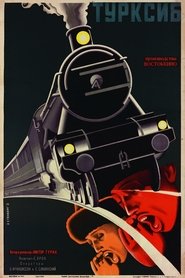
star 5.8Bold and exhilarating documentary account of the building of the Turkestan-Siberian railway, presented as a heroic triumph of Soviet progress over natural adversity.Buster Keaton Rides Again
1965
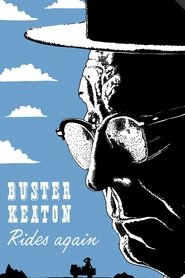
star 7.3In the fall of 1964, just over a year before his death, Buster Keaton traveled to Canada to make The Railrodder, a short subject that now enjoys a small cult following. Documenting this mobile production in fascinating and unexpected detail, Buster Keaton Rides Again offers a rare glimpse of the comedy legend’s temperament, philosophies, hobbies, marriage (his third), and the occasionally combative creative process behind the scenes. An intimate look at one of cinema’s most enduring legends.The Perfect Human Diet
2012
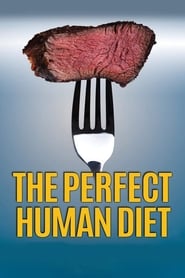
star 5.8"The Perfect Human Diet" is an unprecedented global exploration to find a solution to our epidemic of overweight obesity and diet-related disease - the #1 killer in America. The film bypasses current dietary group-think by exploring modern dietary science, previous historical findings, ancestral native diets and the emerging field of human dietary evolution; revealing for the first time, the authentic human diet. Film audiences finally have the opportunity to see what our species really needs for optimal health and are introduced to a practical template based on these breakthrough scientific facts.Juvenile Court
1973
Juvenile Court
1973
star 7JUVENILE COURT shows the complex variety of cases before the Memphis Juvenile Court: foster home placement, drug abuse, armed robbery, child abuse, and sexual offenses. The sequences illustrate such issues as community protection vs. the desire for rehabilitation, the range and the limits of the choices available to the court, the psychology of the offender, and the constitutional and procedural questions involved in administering a juvenile court.With Byrd at the South Pole
1930
star 6.5With Byrd at the South Pole (1930) is a documentary film about Rear Admiral Richard E. Byrd and his 1st quest to the South Pole beginning at the Little America-Exploration Base. The film's soundtrack consists mostly of music and sound effects, with narration read by Floyd Gibbons. The film won at the 3rd Academy Awards for Best Cinematography.Jane's Journey
2011
Jane's Journey
2011
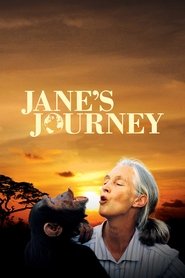
star 6.6It would be hard to name anyone who has had more of an impact in the realm of animal research and wildlife conservation than Jane Goodall, whose 45 year study of wild chimpanzees in Africa is legendary. In Jane's Journey, we travel with her across several continents, from her childhood home in England, to the Gombe National Park in Tanzania where she began her groundbreaking research and where she still returns every year to enjoy the company of the chimpanzees that made her famous. Featuring a wide range of interviews and spectacular footage from her own private collection, Jane's Journey is an inspiring portrait of the private person behind the world-famous icon.Why We Fight: The Battle of Britain
1943
star 6.7The fourth of Frank Capra's Why We Fight series of seven propaganda films, which made the case for fighting and winning the Second World War. It was released in 1943 and concentrated on the German bombardment of the United Kingdom in anticipation of Operation Sea Lion, the planned German invasion.Classic Albums: Lou Reed - Transformer
2001
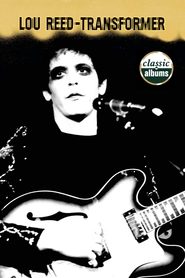
star 6.5In 1972, Lou Reed's second solo album Transformer elevated him from a minor cult figure to one of the best known and most talked about artists in rock & roll, with its incisive portrait of the demimonde and the distinctive hit single "Walk on the Wild Side." Classic Albums: Lou Reed -- Transformer offers a look at the making of this landmark album, with Lou Reed and engineer Ken Scott offering an in-depth perspective on the recording sessions, and Herbie Flowers revealing how he came up with his memorable bass line for "Walk on the Wild Side."Kimjongilia
2009
Kimjongilia
2009
star 6.2The first film to fully expose the humanitarian crisis of North Korea, this stylish, deeply moving documentary is centered around astonishing interviews with survivors of North Korea's vast and largely hidden prison camps, and interspersed with archival footage of North Korean propoganda films and original art performances.Black Gold
2006
Body Without Soul
1996
Body Without Soul
1996
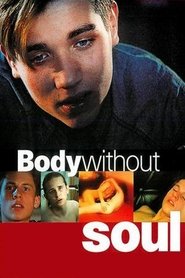
star 6.5A stark documentary about young male prostitutes in Prague, aged 15 to 18, who work the streets, train stations, and clubs. Through candid interviews and behind-the-scenes footage of gay porn shoots, the film explores their lives, struggles, and dreams, touching on themes of exploitation, identity, AIDS, and survival.Boxing Gym
2010
Boxing Gym
2010
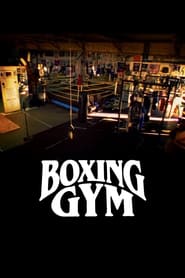
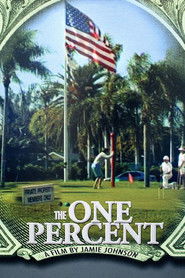
star 6.6Explores the world of a boxing gym in Austin, Texas, dwelling on the discipline of training as people from all walks of life aspire to reach their personal best.The One Percent
2006
The One Percent
2006
star 5.9Jamie Johnson takes the exploration of wealth that he began in Born Rich one step further. The One Percent, refers to the tiny percentage of Americans who control nearly half the wealth of the U.S. Johnson's thesis is that this wealth in the hands of so few people is a danger to our very way of life.