Top Rated Documentary Movies on Free Services - Page 74
All Services
Free Services
 Netflix
 Amazon Prime Video
 Apple iTunes
 Apple TV Plus
 Disney Plus
 Google Play Movies
 Paramount Plus
 Hulu
Hulu
 HBO Max
 YouTube
 fuboTV
 Peacock
 Peacock Premium
 Amazon Video
 The Roku Channel
 AMC+
AMC on Demand
AMC+
AMC on Demand
 Kocowa
 Hoopla
 The CW
 Vudu
Vudu
 Starz
Starz
 Showtime
 PBS
PBS
 Pantaflix
 FXNow
FXNow
 Tubi TV
 Kanopy
 Comedy Central
 Crunchyroll
 Microsoft Store
 Redbox
 Sun Nxt
 ABC
ABC
 DIRECTV
 Crackle
 Fandor
 Plex
Plex
Netflix
Amazon Prime Video
Apple iTunes
Apple TV Plus
Disney Plus
Google Play Movies
Paramount Plus
Hulu
HBO Max
YouTube
fuboTV
Peacock
Peacock Premium
Amazon Video
The Roku Channel
AMC+
AMC on Demand
Kocowa
Hoopla
The CW
Vudu
Starz
Showtime
PBS
Pantaflix
FXNow
Tubi TV
Kanopy
Comedy Central
Crunchyroll
Microsoft Store
Redbox
Sun Nxt
ABC
DIRECTV
Crackle
Fandor
Plex

Shut Up and Play the Piano
2018
star 7.2The documentary follows Chilly Gonzales from his native Canada to late '90s underground Berlin, and via Paris to the world's great philharmonic halls. Diving deep into the dichotomy of Gonzales' stage persona, where self-doubt and megalomania are just two sides of the same coin.Infinite Football
2018
Infinite Football
2018
star 6.4“Last autumn, a good childhood friend of mine, Florin, told me that his brother, Laurentiu, invented a new sport by changing the rules of football. One month later I went to Vaslui, my hometown, with a small film crew in order to learn more about this new sport...”Instant Dreams
2017
Instant Dreams
2017
star 6.7There could hardly be a more telling contrast between the analog and digital eras than the beautifully blurry memories captured in a Polaroid picture and the thousands of pin-sharp photos on an iPhone. In this ambitious visual essay, Willem Baptist explores the visionary genius of Edwin H. Land, the inventor of the Polaroid camera. Even today, all sorts of people are keeping his instant dream alive. Former Polaroid employee Stephen Herchen moved from the United States to Europe to work in a laboratory developing the 2.0 version of Polaroid. Christopher Bonanos, the author of Instant: The Story of Polaroid, tells us, "When I heard Polaroid would stop making film, it felt like a close friend had died." Artist Stefanie Schneider, who is working with the last of her stock of Polaroid film, is using the blurring that occurs with expired film as an additional aesthetic layer in her photographic work.Cern and the Sense of Beauty
2017
star 6.2An exploration of the link between science and beauty through the work of scientists at CERN, in Geneva.Wait for Your Laugh
2017
Wait for Your Laugh
2017
star 7.6The life and career of comedian Rose Marie is documented through interviews with friends and colleagues as well as never-before-seen home movies shot by the actress herself.Biggie: The Life of Notorious B.I.G.
2017
star 6.5The first authorized biography of Christopher Wallace, allowing Christopher to narrate his own life story. Using archival footage and previously unknown audio to tell the story along with interviews with those that knew him the best.L7: Pretend We're Dead
2017
star 7A real time journey witnessing the rise, fall, and ultimate redemption of the fierce feminist pioneers of American grunge punk: L7.Cocaine Prison
2019
Cocaine Prison
2019
star 6.1From inside Bolivia's craziest prison a cocaine worker, a drug mule and his little sister reveal the countries relationship with cocaine.The Truth Is in the Stars
2017
star 7.1William Shatner sits down with scientists, innovators and celebrities to discuss how the optimism of 'Star Trek' influenced multiple generations.Frank Serpico
2017
Frank Serpico
2017
star 5.9In 1972, officer Frank Serpico exposes the corruption which poisons the roots of the NYPD and becomes famous in 1973 when director Sidney Lumet tells his story in the classic film “Serpico,” starring Al Pacino.The Bomb
2017
The Bomb
2017
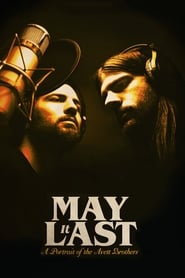
star 7Filmmakers use archival footage and animation to explore the culture surrounding nuclear weapons, the fascination they inspire and the perverse appeal they still exert.May It Last: A Portrait of the Avett Brothers
2017
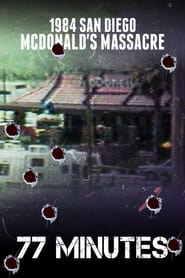
star 7.7An intimate portrait of the acclaimed North Carolina band The Avett Brothers, charting their decade-and-a- half rise, while chronicling their present-day collaboration with famed producer Rick Rubin on the multi-Grammy-nominated album “True Sadness.”77 Minutes
2016
77 Minutes
2016
star 6A documentary by Charlie Minn about the McDonalds Massacre from 1984, when a man walked into a McDonald's restaurant in San Diego armed with guns and shot 40 men, women, and children. It took law enforcement 77 minutes to end the siege. This documentary focuses on the victims of the attack and its effects.Jerry Lewis: The Man Behind the Clown
2016
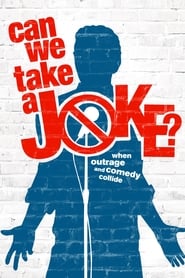
star 7Since the early days, Jerry Lewis—in the line of Chaplin, Keaton and Laurel—had the masses laughing with his visual gags, pantomime sketches and signature slapstick humor. Yet Lewis was far more than just a clown. He was also a groundbreaking filmmaker whose unquenchable curiosity led him to write, produce, stage and direct many of the films he appeared in, resulting in such adored classics as The Bellboy, The Ladies Man, The Errand Boy, and The Nutty Professor.Can We Take a Joke?
2016
Can We Take a Joke?
2016
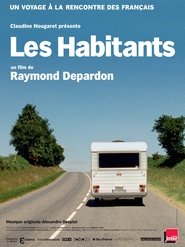
star 6.7In the age of social media, nearly every day brings a new eruption of outrage. While people have always found something to be offended by, their ability to organize a groundswell of opposition to – and public censure of – their offender has never been more powerful. Today we're all one clumsy joke away from public ruin. Can We Take A Joke? offers a thought-provoking and wry exploration of outrage culture through the lens of stand-up comedy, with notables like Gilbert Gottfried, Penn Jillette, Lisa Lampanelli, and Adam Carolla detailing its stifling impact on comedy and the exchange of ideas. What will the future will be like if we can't learn how to take a joke?Les Habitants
2016
Les Habitants
2016
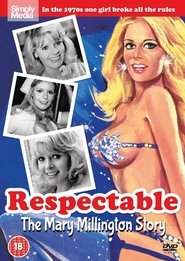
star 6.1Raymond Depardon sets out to meet French people to listen to them tell their tales. From Charleville-Mézières to Nice, Sète to Cherbourg, he invites people encountered in the street to continue their conversation in front of Depardon's camera and us, unfettered from any constraints.Respectable: The Mary Millington Story
2016
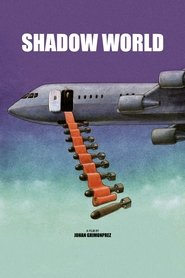
star 6.3Documentary chronicling the extraordinary life and tragic death of Mary Millington - Britain's most famous pornographic actress of the 1970s.Shadow World
2016
Shadow World
2016
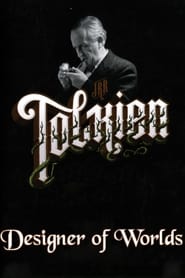
star 7.4A detailed investigation into the political and economic interests that, since the beginning of the 20th century, have pulled the strings of the arms trade, hidden in the shadows, feeding the shameful corruption of politicians and government officials and promoting a state of permanent war throughout the world, while they cynically asked for a lasting and universal peace.J.R.R. Tolkien: Designer of Worlds
2014
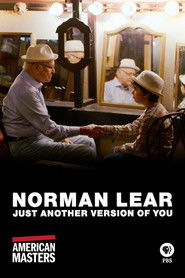
star 7This is a story of a seemingly quiet and unobtrusive man, author of a colossal and partly unfinished literary work. We will try to trace back to the origins of his inspiration so as to understand why his work met and still meets with so much success. How did JRR Tolkien manage, through the power of words alone, to so widely instill wisps of magic in the midst of a particularly disenchanted 20th century?Norman Lear: Just Another Version of You
2016
star 7.1Arguably the most influential creator, writer, and producer in the history of television, Norman Lear brought primetime into step with the times. Using comedy and indelible characters, his legendary 1970s shows such as All In the Family, Maude, Good Times, and The Jeffersons, boldly cracked open dialogue and shifted the national consciousness, injecting enlightened humanism into sociopolitical debates on race, class, creed, and feminism.