Top Rated Documentary Movies on Google Play Movies - Page 72
All Services
Free Services
 Netflix
 Amazon Prime Video
 Apple iTunes
 Apple TV Plus
 Disney Plus
 Google Play Movies
 Paramount Plus
 Hulu
Hulu
 HBO Max
 YouTube
 fuboTV
 Peacock
 Peacock Premium
 Amazon Video
 The Roku Channel
 AMC+
AMC on Demand
AMC+
AMC on Demand
 Kocowa
 Hoopla
 The CW
 Vudu
Vudu
 Starz
Starz
 Showtime
 PBS
PBS
 Pantaflix
 FXNow
FXNow
 Tubi TV
 Kanopy
 Comedy Central
 Crunchyroll
 Microsoft Store
 Redbox
 Sun Nxt
 ABC
ABC
 DIRECTV
 Crackle
 Fandor
 Plex
Plex
Netflix
Amazon Prime Video
Apple iTunes
Apple TV Plus
Disney Plus
Google Play Movies
Paramount Plus
Hulu
HBO Max
YouTube
fuboTV
Peacock
Peacock Premium
Amazon Video
The Roku Channel
AMC+
AMC on Demand
Kocowa
Hoopla
The CW
Vudu
Starz
Showtime
PBS
Pantaflix
FXNow
Tubi TV
Kanopy
Comedy Central
Crunchyroll
Microsoft Store
Redbox
Sun Nxt
ABC
DIRECTV
Crackle
Fandor
Plex

Bobby Sands: 66 Days
2016
Bobby Sands: 66 Days
2016
star 7By the early 1980s, after two decades of violence and unrest, the situation in Northern Ireland took a sudden and profound turn inside the infamous Maze Prison. Seeking the right to be treated as political prisoners rather than common criminals, Irish Republicans led by Bobby Sands began a prison hunger strike that would draw international attention to the conflict. In the 66 days that he refused food, Sands would be elected to the British Parliament, put the Irish Republican struggle centre stage on the world news agenda, and pay the ultimate price for his political convictions. The film combines a powerful mosaic of archival materials, reconstructions and the illuminating accounts of former prisoners, commentators and key players in the drama. With Sands's evocative prison diary at its core, the film brings fresh insight to an iconic figure who single-handedly created a transformative moment in Ireland's history that had global aftershocks.Can We Take a Joke?
2016
Can We Take a Joke?
2016
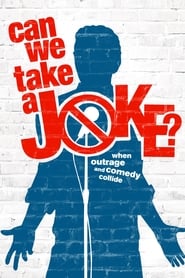
star 6.7In the age of social media, nearly every day brings a new eruption of outrage. While people have always found something to be offended by, their ability to organize a groundswell of opposition to – and public censure of – their offender has never been more powerful. Today we're all one clumsy joke away from public ruin. Can We Take A Joke? offers a thought-provoking and wry exploration of outrage culture through the lens of stand-up comedy, with notables like Gilbert Gottfried, Penn Jillette, Lisa Lampanelli, and Adam Carolla detailing its stifling impact on comedy and the exchange of ideas. What will the future will be like if we can't learn how to take a joke?Respectable: The Mary Millington Story
2016
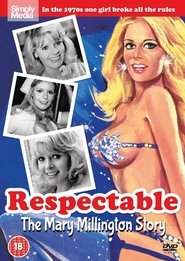
star 6.3Documentary chronicling the extraordinary life and tragic death of Mary Millington - Britain's most famous pornographic actress of the 1970s.Shadow World
2016
Shadow World
2016
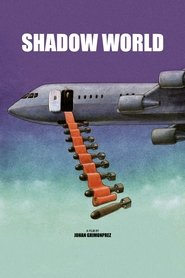
star 7.4A detailed investigation into the political and economic interests that, since the beginning of the 20th century, have pulled the strings of the arms trade, hidden in the shadows, feeding the shameful corruption of politicians and government officials and promoting a state of permanent war throughout the world, while they cynically asked for a lasting and universal peace.Norman Lear: Just Another Version of You
2016
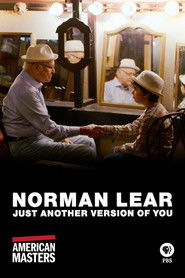
star 7.1Arguably the most influential creator, writer, and producer in the history of television, Norman Lear brought primetime into step with the times. Using comedy and indelible characters, his legendary 1970s shows such as All In the Family, Maude, Good Times, and The Jeffersons, boldly cracked open dialogue and shifted the national consciousness, injecting enlightened humanism into sociopolitical debates on race, class, creed, and feminism.Boom Bust Boom
2015
Boom Bust Boom
2015
star 7.2Terry Jones presents Boom Bust Boom. The result of a meeting between writer, director, historian and Python Terry Jones and economics professor and entrepreneur Theo Kocken. Co-written by Jones and Kocken and featuring John Cusack, Nobel Prize winners Daniel Kahneman, Robert J Shiller and Paul Krugman, the film is part of a global movement to change the economic system through education to protect the world from boom and bust. A unique look at why economic crashes happen, Boom Bust Boom is a multimedia documentary combining live action with animation and puppetry to explain economics to everyone.Cinema Perverso
2015
Cinema Perverso
2015
star 6.7Before there were home video formats and the internet, the “Bahnhofskinos” (“Train station cinemas”) in West Germany regularly showed trash and erotica movies. Various filmmakers and especially contemporary witnesses recount in the documentary “Cinema Perverso – the wonderful and broken world of Bahnhofskino” their experiences and impressions.Vita Activa: The Spirit of Hannah Arendt
2015
star 7.4The life and work of German political philosopher of Jewish descent Hannah Arendt (1906-75), who caused a stir when she coined a subversive concept, the banality of evil, in her 1963 book on the trial of Nazi war criminal Adolph Eichmann (1906-62), held in Israel in 1961, which she covered for the New Yorker magazine.What She Said: The Art of Pauline Kael
2019
star 6.7Pauline Kael (1919–2001) was undoubtedly one of the greatest names in film criticism. A Californian native, she wrote her first review in 1953 and joined ‘The New Yorker’ in 1968. Praised for her highly opinionated and feisty writing style and criticised for her subjective and sometimes ruthless reviews, Kael’s writing was refreshingly and intensely rooted in her experience of watching a film as a member of the audience. Loved and hated in equal measure – loved by other critics for whom she was immensely influential, and hated by filmmakers whose films she trashed - Kael destroyed films that have since become classics such as The Sound of Music and raved about others such as Bonnie and Clyde. She was also aware of the perennial difficulties for women working in the movies and in film criticism, and fiercely fought sexism, both in her reviews and in her media appearances.Above and Below
2015
Above and Below
2015
star 6.1Above and Below is a rough and rhythmic roller coaster ride seating five survivors in their daily hustle through an apocalyptic world. A journey of challenges and beauty in uncomfortable places: Rick & Cindy, Godfather Lalo in the flood channels deep down under the shiny strip of Sin City. Dave in the dry and lonesome Californian desert and April in simulation for a Mars mission in the Utah desert. Through the hustle, the pain and the laughs, we are whisked away to an unfamiliar world, yet quickly discover the souls we encounter are perhaps not that different from our own.Sex and Broadcasting
2014
Sex and Broadcasting
2014
star 6SEX AND BROADCASTING is a feature length documentary about New Jersey's WFMU, the world's strangest and most unique radio station, and one man's attempt to keep it alive in the face of recession, the persistent threat of commercial media, and the challenges that come with keeping a rebellious group of outsiders together.Gameplay: The Story of the Videogame Revolution
2015
star 6.4A feature documentary on the history of video games. From 'Pong', 'Pac Man' and 'Mario' to 'Call of Duty', 'Grand Theft Auto' and everything in between it tells the story of how this industry was created, by whom and where it is headed.My Own Man
2014
My Own Man
2014
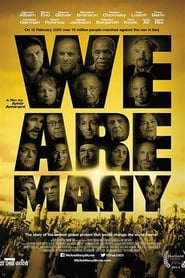
star 6.2Rattled by the prospect of becoming a dad, a 40-year-old filmmaker begins to consider what "manhood" really means for him, prompting him to pursue an array of interests and reexamine his views -- which were shaped by his father.We Are Many
2014
We Are Many
2014
star 6.7The story of the biggest demonstration in human history, which took place on 15th February 2003, against the impending war on Iraq.The Image Revolution
2013
The Image Revolution
2013
star 6.9Twenty years ago, seven superstar artists left Marvel Comics to create their own company, Image Comics, a company that continues to influence mainstream comics and pop culture to this day. Image began as more than just a publisher - it was a response to years of creator mistreatment, and changed comics forever. The Image Revolution tells the story of Image Comics, from its founders' work at Marvel, through Image's early success, company difficulties during the comics market implosion, and ultimately the publisher's new generation of properties like The Walking Dead. Filled with colorful characters, the film is a clarion call to artists to take control of their destiny.Cleanin' Up the Town: Remembering Ghostbusters
2020
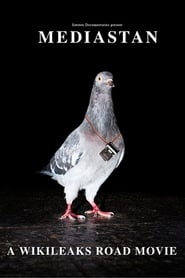
star 6.9The documentary that tells us the full story from where it all started through to the future of the "Ghostbusters" franchise.Mediastan
2013
Mediastan
2013
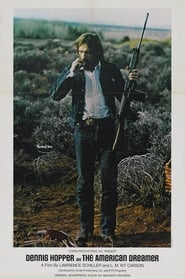
star 6.4A small group of Wikileaks journalists make their way through Central Asia interviewing newspaper editors. Their real goal: to find local media outlets to publish secret US diplomatic cables. This intelligent, guerrilla-style doc follows their fascinating journey from Afghanistan to Manhattan, through the boundaries of free speech and the minds of those who shape our understanding of the world.The American Dreamer
1971
The American Dreamer
1971
star 5.4A documentary about actor/director Dennis Hopper, showing him at his home and studio putting together his film "The Last Movie."God Is the Bigger Elvis
2012
star 6.7The Oscar®-nominated documentary about a promising young actress who left Hollywood to become a nun.Fightville
2011
Fightville
2011
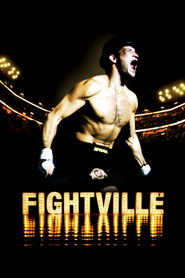
star 6FIGHTVILLE is about the art and sport of fighting: a microcosm of life, a physical manifestation of that other brutal contest called the American Dream...