Top Rated Documentary Movies on Hoopla - Page 206
All Services
Free Services
 Netflix
 Amazon Prime Video
 Apple iTunes
 Apple TV Plus
 Disney Plus
 Google Play Movies
 Paramount Plus
 Hulu
Hulu
 HBO Max
 YouTube
 fuboTV
 Peacock
 Peacock Premium
 Amazon Video
 The Roku Channel
 AMC+
AMC on Demand
AMC+
AMC on Demand
 Kocowa
 Hoopla
 The CW
 Vudu
Vudu
 Starz
Starz
 Showtime
 PBS
PBS
 Pantaflix
 FXNow
FXNow
 Tubi TV
 Kanopy
 Comedy Central
 Crunchyroll
 Microsoft Store
 Redbox
 Sun Nxt
 ABC
ABC
 DIRECTV
 Crackle
 Fandor
 Plex
Plex
Netflix
Amazon Prime Video
Apple iTunes
Apple TV Plus
Disney Plus
Google Play Movies
Paramount Plus
Hulu
HBO Max
YouTube
fuboTV
Peacock
Peacock Premium
Amazon Video
The Roku Channel
AMC+
AMC on Demand
Kocowa
Hoopla
The CW
Vudu
Starz
Showtime
PBS
Pantaflix
FXNow
Tubi TV
Kanopy
Comedy Central
Crunchyroll
Microsoft Store
Redbox
Sun Nxt
ABC
DIRECTV
Crackle
Fandor
Plex

Terminally Optimistic
2021
Terminally Optimistic follows the life journeys of three women with metastatic breast cancer. Eva, Krissy and Kim are adapting to their failing bodies in a variety of ways, because they must. Life has changed drastically after diagnosis, and they must reinvent themselves and accept a new "normal." This is the story of these three METAvivors, their families, caregivers, and communities.My Tree
2021
My Tree
2021
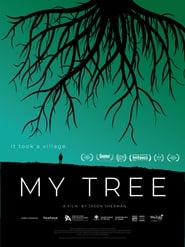
A Canadian Jew searches for the tree that was planted in his name in Israel many years earlier. When he discovers that it stands on the remains of a Palestinian village that was destroyed in 1967, he embarks on another journey—to determine his responsibility in helping to cover up the destruction.Her Name Is Chef
2021
Her Name Is Chef
2021
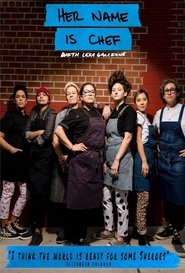
'Her Name Is Chef' is a documentary film by Pete Ferriero that spotlights six bad-ass, inspiring, sheroes of the kitchen. Each share their triumphs in cutting through the clichés of the restaurant industry, and explore how they broke down the doors to 'earn' the title of Chef. Host Leia Gaccione sits down with Elizabeth Falkner, Fatima Ali, Hillary Sterling, Esther Choi, Juliet Masters, and Caroline Schiff. They open up their hearts and minds to the world, leaving no stone unturned.Son of Cornwall
2021
Son of Cornwall
2021
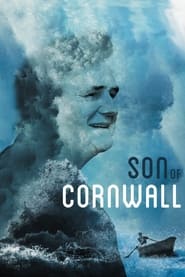
Son of Cornwall is about opera singer John Treleaven. John has had a forty year career performing in thousands of opera productions including playing the leading roles in Siegfried, Carmen, Tannhauser, and many more classics. Each of these operas are included in the documentary through a combination of archive theatre footage, historical photos, audio excerpts, and interviews from some of John's colleagues.American Gadfly
2021
American Gadfly
2021
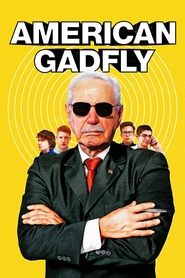
A decade since his last campaign, 89-year-old former senator and 2008 presidential candidate Mike Gravel comes out of retirement when a group of teenagers convinces him to run for president one last time. Through the senator’s official Twitter account, the “Gravel teens” embark on an unlikely adventure to qualify him for the Democratic debates in order to advance an anti-war, anti-corruption, and direct democracy agenda in the 2020 presidential race. Working together, the young activists and the experienced politician confuse and amaze the generations between them.The Story Won't Die
2021
The Story Won't Die
2021
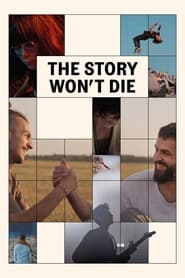
THE STORY WON’T DIE, from Award-winning filmmaker David Henry Gerson, is an inspiring, timely look at a young generation of Syrian artists who use their work to protest and process what is currently the world’s largest and longest ongoing displacement of people since WWII. The film is produced by Sundance Award-winner Odessa Rae (Navalny). Rapper Abu Hajar, together with other creative personalities of the Syrian uprising, a post-Rock musician (Anas Maghrebi), members of the first all-female Syrian rock band (Bahila Hijazi + Lynn Mayya), break-dancer (Bboy Shadow), choreographer (Medhat Aldaabal), and visual artists (Tammam Azzam, Omar Imam + Diala Brisly), use their art to rise in revolution and endure in exile in this new documentary reflecting on a battle for peace, justice and freedom of expression. It is an uplifting and humanizing look at what it means to be a refugee in today’s world and offers inspiring and hopeful vantages on a creative response to the chaos of war.Ladyboys, Another Landscape
2017
If you think all transgender stories are the same - sex, transformation, mutilation, mental illness,... - you can't be more wrong! This tells the story of four very different people in rural Thailand. Four humble ladyboys working in the rubber tree forests at night, in the rice fields during the day, looking for a way to survive, exist and have the others accept them with their difference.The Life and Faith of CS Lewis
2006
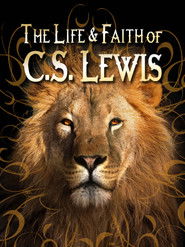
Narrated by Academy Award-winner Ben Kingsley, this multi-award-winning program is the most complete portrait of C.S. Lewis (1898-1963), widely known for his children's book series, The Chronicles of Narnia, was also one of the supreme Christian apologists and adult novelists of the 20th century.The Body Fights Back
2020
The Body Fights Back
2020
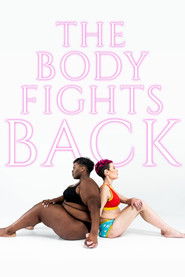
A feature documentary about five people navigating the paradoxes of diet culture. While promises of happiness, desirability and perfection are irresistible, joy and contentment remain out of reach. Personal stories from vastly different backgrounds quickly merge into a shockingly similar experience of battling one’s body. Self-starvation and compulsive exercise bring temporary satisfaction, only to be replaced with binging and purging soon after. Surprisingly, none of it has much to do with food.Emily @ the Edge of Chaos
2021
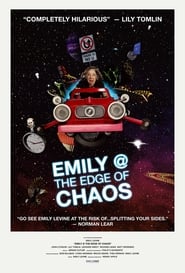
Emily @ the Edge of Chaos interweaves Emily Levine’s live performance with animation, appearances by scientists, and animated characters. The film uses physics, which explains how the universe works, to explain our metaphysics – the story of our values, our institutions, our interactions. Using her own experience and a custom blend of insight and humor, provocation and inspiration, personal story and social commentary, Emily takes her audience through its own paradigm shift: from the Fear of Change to the Edge of Chaos.How I Became a Partisan
2021
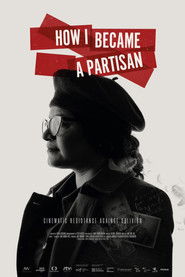
This documentary film reveals how the lives of the descendants of a partisan fighter in the Second World War are still impacted by the events of that period, 75 years after the end of hostilities. In making her case, Lacková provides glimpses into her private surroundings. Over the course of her film, she also points out frightening parallels between the reign of the Nazi terror regime and the resurgence of racist currents throughout today's Europe.Best Kids in Texas
2017
Best Kids in Texas
2017
When Texas emerges as a hotbed for recruiting young talent into the professional paintball scene in early 2000s, a group of teenagers find a mentor, pledge to stick together, and in the process change professional paintball in Texas forever.All These Sons
2021
All These Sons
2021
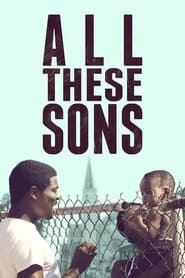
On Chicago's South and West sides, the scourge of guns and gangs is destroying countless lives. Taking matters into their own hands, two men dedicate their lives educating, empowering and healing young Black men at high risk for being victims—or perpetrators—of deadly gun-violence.Beyond Zero
2020
Beyond Zero
2020
After a life-changing epiphany, the CEO of a global public company embarks on a high-stakes quest to eliminate all negative environmental impacts by 2020. To succeed, they must overcome deep skepticism, abandon the status quo, and ignite a new industrial revolution. Beyond Zero offers an inspirational roadmap for how business can reverse climate change.The Murder of Lee Irving: Disability Mate Crime
2021
The tragic story of a 24-year-old Lee Irving, a young man with learning difficulties lured to his death by four people he thought were his friends.The Race to Save the World
2021
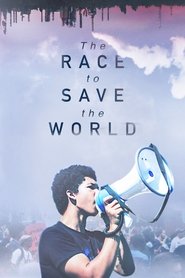
The Race To Save The World is a climate change film like no other. Instead of focusing on paralyzing facts and numbers this inspiring feature takes a unique approach by following passionate activists, ages 15-72, who are in the trenches fighting for a livable future. These brave climate warriors put their lives on the line to push for change, regardless of the personal cost. Emmy award-winning filmmaker Joe Gantz brings an urgent and intimate portrait of the protests, arrests, courtroom drama and family turmoil these activists endure as they single mindedly focus their attention on the goal of creating a more sustainable world for future generations. The Race To Save The World is an inspiring and energizing call-to-action to quit waiting on the sidelines and make our voices heard.West No More
2020
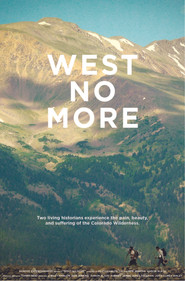
West No More
2020
Jenkins and Klass set out to learn about the 1860s in Colorado by experiencing it first hand. They set their sights on the impossible goal of hiking the 500-mile Colorado Trail, and eventually learn what it really takes to live history.Future People: The Family of Donor 5114
2021
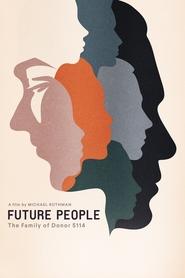
Filmed over eight years, Rothman follows a group of adolescents who discover that they were conceived from the same sperm donor, forming an unlikely family of familiar strangers. There are presently 37 half-siblings, and counting. This documentary explores the complexities of alternative conception while defining a new realm of modern family.Room Without a View
2021
Room Without a View
2021
Slavery has never ended. It has just assumed other names and ways to conceal itself. Roser Corella’s film zooms in on Beirut, where the upper class on a large scale hires maids from countries such as Ethiopia, Kenya and the Philippines through agencies that advise people how to cheat and manipulate the young women to work full-time (literally) for meagre wages. An upsetting revelation, but Corella keeps a cool head and tears the inhuman ‘kafala’ system apart piece by piece. She analyses the situation in both words and images, but it is the underpaid maids themselves who provide the conclusion in the form of demonstrations, protests and demands for proper working conditions. ‘Room without a View’, the title of which describes the rooms made available to the women, combines an artistic and an investigative approach to its exposition of the abominable monster that is modern slavery. A film that is highly topical in all parts of the world - unfortunately.Loves Me, Loves Me Not
2021
Twenty young people share their thoughts and experiences about love and romantic relationships in 2020.