Top Rated Documentary Movies on Hoopla - Page 35
All Services
Free Services
 Netflix
 Amazon Prime Video
 Apple iTunes
 Apple TV Plus
 Disney Plus
 Google Play Movies
 Paramount Plus
 Hulu
Hulu
 HBO Max
 YouTube
 fuboTV
 Peacock
 Peacock Premium
 Amazon Video
 The Roku Channel
 AMC+
AMC on Demand
AMC+
AMC on Demand
 Kocowa
 Hoopla
 The CW
 Vudu
Vudu
 Starz
Starz
 Showtime
 PBS
PBS
 Pantaflix
 FXNow
FXNow
 Tubi TV
 Kanopy
 Comedy Central
 Crunchyroll
 Microsoft Store
 Redbox
 Sun Nxt
 ABC
ABC
 DIRECTV
 Crackle
 Fandor
 Plex
Plex
Netflix
Amazon Prime Video
Apple iTunes
Apple TV Plus
Disney Plus
Google Play Movies
Paramount Plus
Hulu
HBO Max
YouTube
fuboTV
Peacock
Peacock Premium
Amazon Video
The Roku Channel
AMC+
AMC on Demand
Kocowa
Hoopla
The CW
Vudu
Starz
Showtime
PBS
Pantaflix
FXNow
Tubi TV
Kanopy
Comedy Central
Crunchyroll
Microsoft Store
Redbox
Sun Nxt
ABC
DIRECTV
Crackle
Fandor
Plex

The Bomb
2017
The Bomb
2017
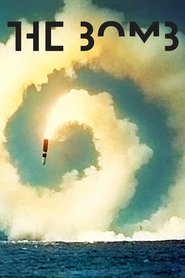
star 7Filmmakers use archival footage and animation to explore the culture surrounding nuclear weapons, the fascination they inspire and the perverse appeal they still exert.Almost There
2016
Almost There
2016
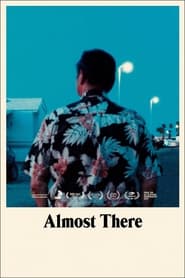
star 6.3Three men embark on a journey in search of meaning and happiness in the autumn of their lives: Bob swaps his safe home for a camper van and tries to find himself in the barren Californian desert; Steve, drag queen and stand-up comedian, is fed up of England and makes amends with his past in Benidorm; Yamada rediscovers his smile by reading stories to children in Tokyo.77 Minutes
2016
77 Minutes
2016
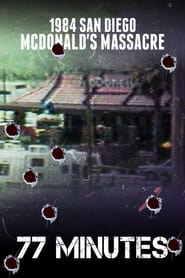
star 6A documentary by Charlie Minn about the McDonalds Massacre from 1984, when a man walked into a McDonald's restaurant in San Diego armed with guns and shot 40 men, women, and children. It took law enforcement 77 minutes to end the siege. This documentary focuses on the victims of the attack and its effects.Can We Take a Joke?
2016
Can We Take a Joke?
2016
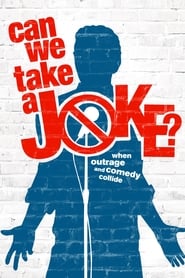
star 6.7In the age of social media, nearly every day brings a new eruption of outrage. While people have always found something to be offended by, their ability to organize a groundswell of opposition to – and public censure of – their offender has never been more powerful. Today we're all one clumsy joke away from public ruin. Can We Take A Joke? offers a thought-provoking and wry exploration of outrage culture through the lens of stand-up comedy, with notables like Gilbert Gottfried, Penn Jillette, Lisa Lampanelli, and Adam Carolla detailing its stifling impact on comedy and the exchange of ideas. What will the future will be like if we can't learn how to take a joke?Les Habitants
2016
Les Habitants
2016
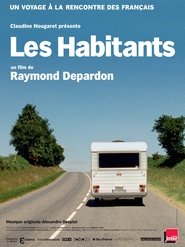
star 6.1Raymond Depardon sets out to meet French people to listen to them tell their tales. From Charleville-Mézières to Nice, Sète to Cherbourg, he invites people encountered in the street to continue their conversation in front of Depardon's camera and us, unfettered from any constraints.Respectable: The Mary Millington Story
2016
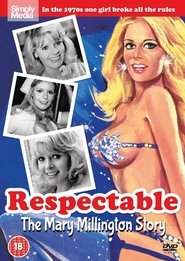
star 6.3Documentary chronicling the extraordinary life and tragic death of Mary Millington - Britain's most famous pornographic actress of the 1970s.Shadow World
2016
Shadow World
2016
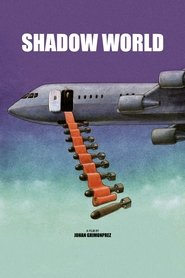
star 7.4A detailed investigation into the political and economic interests that, since the beginning of the 20th century, have pulled the strings of the arms trade, hidden in the shadows, feeding the shameful corruption of politicians and government officials and promoting a state of permanent war throughout the world, while they cynically asked for a lasting and universal peace.Boom Bust Boom
2015
Boom Bust Boom
2015
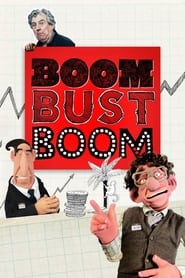
star 7.2Terry Jones presents Boom Bust Boom. The result of a meeting between writer, director, historian and Python Terry Jones and economics professor and entrepreneur Theo Kocken. Co-written by Jones and Kocken and featuring John Cusack, Nobel Prize winners Daniel Kahneman, Robert J Shiller and Paul Krugman, the film is part of a global movement to change the economic system through education to protect the world from boom and bust. A unique look at why economic crashes happen, Boom Bust Boom is a multimedia documentary combining live action with animation and puppetry to explain economics to everyone.Vita Activa: The Spirit of Hannah Arendt
2015
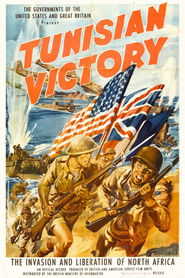
star 7.4The life and work of German political philosopher of Jewish descent Hannah Arendt (1906-75), who caused a stir when she coined a subversive concept, the banality of evil, in her 1963 book on the trial of Nazi war criminal Adolph Eichmann (1906-62), held in Israel in 1961, which she covered for the New Yorker magazine.Tunisian Victory
1944
Tunisian Victory
1944
star 6.2Documentary made by the U.S. Army Signal Corps after the North African campaign.Scatter My Ashes at Bergdorf's
2013
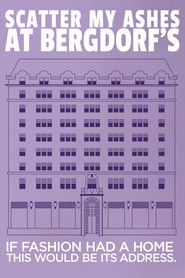
star 6.1It's the most mythic of all American emporiums - and the scene of many an ultimate fashion fantasy. Now audiences get a rarified chance to peek behind the backroom doors and into the reality of the fascinating inner workings and fabulous untold stories from Bergdorf Goodman's iconic history in Scatter My Ashes at Bergdorf's.16 Acres
2012
16 Acres
2012
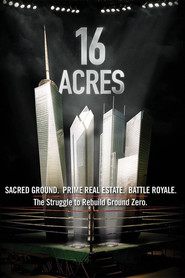
star 7.3The dramatic inside story of the monumental collision of interests at Ground Zero in the decade after 9/11.The Case of the Grinning Cat
2006
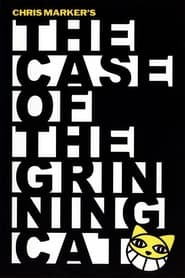
star 6.9Chris Marker’s The Case of the Grinning Cat (Chats perchés) follows the appearance of the yellow M. Chat graffiti across Paris in the early 2000s, using it as a lens to reflect on art, protest, and politics in the post-9/11 era. Blending street imagery with footage of global and local unrest, the film serves as a playful yet pointed companion to Marker’s earlier A Grin Without a Cat.Grant Morrison: Talking with Gods
2010
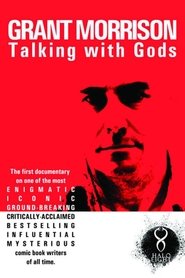
star 7Philosopher, pop-icon, shaman and story teller - as one of the most influential comic book writers in the market today, Grant Morrison is all of these things. His explosive and often controversial 30 year career has made him a household name for comic fans, and he shows no signs of slowing down. Morrison's career is now taking a new turn, as he explores media beyond comic books. With film and television projects on the horizon, more and more people are asking "Who is Grant Morrison?" Grant Morrison: Talking with Gods is a feature length documentary that takes an in depth look at the life, career and mind of the man behind such pivotal titles as Batman RIP, The Invisibles, All Star Superman, The New X-Men, and many more. Featuring candid interviews with Morrison and his most important collaborators, Talking with Gods reveals an intelligent and thought provoking side of comic books that is often overlooked in Hollywood adaptations.Bananas!*
2009
Bananas!*
2009
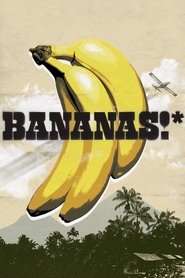
star 6.6Juan “Accidentes” Dominguez is on his biggest case ever. On behalf of twelve Nicaraguan banana workers he is tackling Dole Food in a ground-breaking legal battle for their use of a banned pesticide that was known by the company to cause sterility. Can he beat the giant, or will the corporation get away with it?The Gullspång Miracle
2023
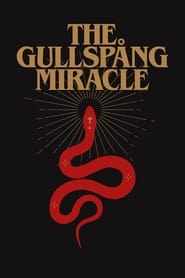
star 6.6Two Norwegian sisters receive a premonition from God that makes them buy an apartment in a tiny Swedish town, Gullspång. Meeting the seller, she is a dead-ringer of their older sister, who committed suicide 30 years ago.Food, Inc. 2
2024
Food, Inc. 2
2024
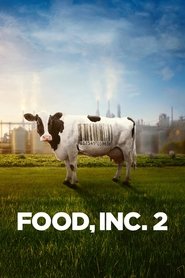
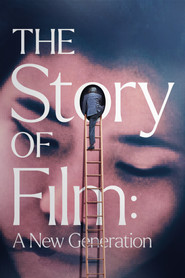
star 6.9Filmmakers Robert Kenner and Melissa Robledo reunite with investigative authors Michael Pollan and Eric Schlosser to take a fresh look at our efficient yet vulnerable food system.The Story of Film: A New Generation
2021
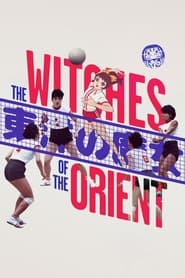
star 7.3The final chapter of his exceptional 15-part documentary exploring the history of cinema, The Story of Film: An Odyssey. Mark Cousins builds a bridge between the “before” of the health crisis, and the “after”.The Witches of the Orient
2021
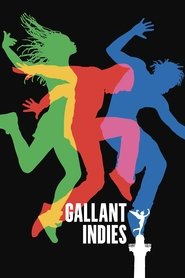
star 6.5The Japanese volleyball players called the “Oriental Witches” are now in their 70s. From the formation of the team at the factory until their victory at the Tokyo Olympics in 1964, memories and legends rise to the surface and blend inextricably.Gallant Indies
2021
Gallant Indies
2021
star 7.4Stéphane Lissner, director of the Paris Opera, entrusts the staging of the opera-ballet Les Indes galantes to the visual artist Clément Cogitore. Based on the experience of his short film Les Indes galantes, the artist updates Jean-Philippe Rameau's baroque masterpiece (1735) by bringing together lyric song and urban dance. The choreography is entrusted to Bintou Dembélé who supervises dancers from krump, popping, voguing or even experimental hip hop. From rehearsals to the Premiere, Philippe Béziat films the meeting of urban dancers with the lyric institution and invites the spectator to share a human and artistic experience.