Top Rated Documentary Movies on Hoopla - Page 54
All Services
Free Services
 Netflix
 Amazon Prime Video
 Apple iTunes
 Apple TV Plus
 Disney Plus
 Google Play Movies
 Paramount Plus
 Hulu
Hulu
 HBO Max
 YouTube
 fuboTV
 Peacock
 Peacock Premium
 Amazon Video
 The Roku Channel
 AMC+
AMC on Demand
AMC+
AMC on Demand
 Kocowa
 Hoopla
 The CW
 Vudu
Vudu
 Starz
Starz
 Showtime
 PBS
PBS
 Pantaflix
 FXNow
FXNow
 Tubi TV
 Kanopy
 Comedy Central
 Crunchyroll
 Microsoft Store
 Redbox
 Sun Nxt
 ABC
ABC
 DIRECTV
 Crackle
 Fandor
 Plex
Plex
Netflix
Amazon Prime Video
Apple iTunes
Apple TV Plus
Disney Plus
Google Play Movies
Paramount Plus
Hulu
HBO Max
YouTube
fuboTV
Peacock
Peacock Premium
Amazon Video
The Roku Channel
AMC+
AMC on Demand
Kocowa
Hoopla
The CW
Vudu
Starz
Showtime
PBS
Pantaflix
FXNow
Tubi TV
Kanopy
Comedy Central
Crunchyroll
Microsoft Store
Redbox
Sun Nxt
ABC
DIRECTV
Crackle
Fandor
Plex

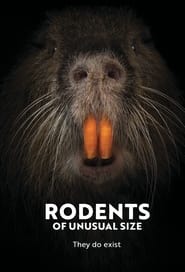
Rodents of Unusual Size
2017
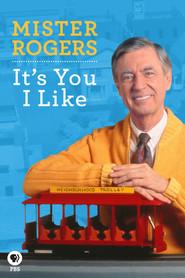
star 7.6After decades of hurricanes and oil spills, Louisiana faces a new threat - hordes of monstrous 20 pound swamp rats. Known as "nutria", these invasive South American rodents breed faster than bounty hunters can "control" them. With their orange teeth and voracious appetite they are eating up the coastal wetlands that protects Thomas and his town of Delacroix Island from hurricanes, but the people who have lived here for generations will not give up without a fight.Mister Rogers: It's You I Like
2018
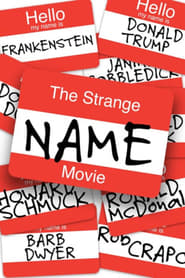
star 7.9Join host Michael Keaton to celebrate "Mister Rogers’ Neighborhood," the pioneering children's series that premiered nationally 50 years ago. Celebrities, cast members and Joanne Rogers reveal their favorite memories from the series.The Strange Name Movie
2017
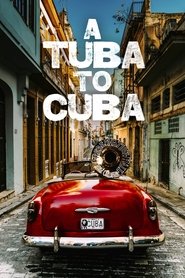
star 6How do perfectly ordinary, normal people cope with the extraordinary challenge of an embarrassing, provocative, famous or unbelievable name? This documentary examines the phenomena of "strange names."A Tuba To Cuba
2019
A Tuba To Cuba
2019
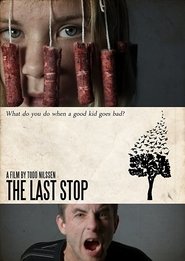
star 6.6A son seeking to fulfill his late father’s dream takes his band from the storied city of New Orleans to the shores of Cuba, where — through the universal language of music — dark and ancient connections between their peoples reveal the roots of jazz.The Last Stop
2017
The Last Stop
2017
star 7.6The Élan School was a for-profit, residential behavior modification program and therapeutic boarding school located deep within the woods of Maine. Delinquent teenagers who failed to comply with other treatment programs were referred to the school as a last resort. Treatment entailed harsh discipline, surveillance, degradation, and downright abuse. Years later, the patients who were institutionalized in this facility still carry the trauma they endured, with mixed opinions on the impact of their experience.Bob Saget: Zero to Sixty
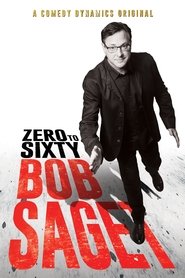
2017
star 6.5Grammy nominated comedian Bob Saget returns to his home, on the stand-up stage. Filmed as a warm embrace in these troubling times, the comedy legend declares himself to be the last TV father you can trust in this R’ish rated hour of entertaining stories, riffing with the audience, words of wisdom, and new original comedy songs.Fake Blood
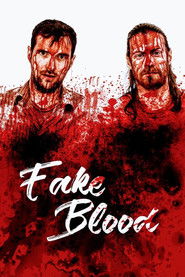
2017
Fake Blood
2017
star 5.2Rob Grant and Mike Kovac receive a disturbing fan video inspired by their previous horror movie Mon Ami, motivating them to investigate the responsibility of filmmakers in portraying violence in movies. In their pursuit of the truth they are unwittingly introduced to the real world of violent criminals and their victims.Twilight of the Yakuza
2013
star 7.2The Yakuza, Japan's organized crime syndicates, are a dying breed. Their members are aging and the government of Japan has launched a large-scale crackdown on them to eradicate them once and for all. But who are the Yakuza? The cancer of a nation or a necessary evil in a country with one of the lowest crime rates in the industrialized world?Pre-Crime
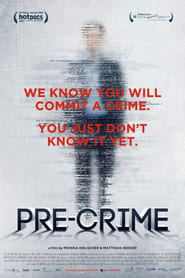
2017
Pre-Crime
2017
star 4.5Science fiction has become a reality in our modern criminal justice system. A term originally coined by science fiction author Philip K. Dick, “pre-crime” is a policing technique now used in both the US and Europe to identify “hot people”—those most likely to be victims or perpetrators of a crime. Forecasting software and algorithms that have been criticized as inaccurate and arbitrary are used to collect information, and monitor and flag people. But predictive tools are only as good as the data they’re fed. With scant evidence of the reliability of the data sources or the accuracy of the data crunching, misfires are a guarantee. In this chilling and explosive in-depth examination into the modern age of policing, directors Monika Hielscher and Matthias Heider pose an important question: How much freedom and human awareness are we willing to give to the limited logic of technology?Taste of Cement
2017
Taste of Cement
2017
star 7In Beirut, Syrian construction workers are building a skyscraper while at the same time their own houses at home are being shelled. The Lebanese war is over but the Syrian one still rages on. The workers are locked in the building site. They are not allowed to leave it after 19.00. The Lebanese government has imposed night-time curfews on the refugees. The only contact with the outside world for these Syrian workers is the hole through which they climb out in the morning to begin a new day of work. Cut off from their homeland, they gather at night around a small TV set to get the news from Syria. Tormented by anguish and anxiety, while suffering the deprivation of the most basic human and workers right, they keep hoping for a different life.Free Lunch Society
2017
Free Lunch Society
2017
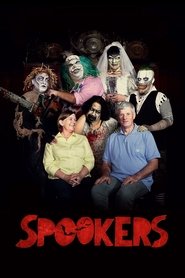
star 7.8What would you do if your basic income was taken care of month after month? Would you stop working? Follow your passions? Take more risks? The four-figure sum that all four members of the Wardwell family receive each year from the Alaskan government’s crude oil profits goes towards a college fund for their children, something they would otherwise be unable to afford. Filmmaker Christian Tod, himself a fervent supporter of the idea, explores the model of an unconditional basic income and takes a look at trial systems already underway in the US, Canada and Namibia. Wandering the history of this utopia reminiscent of science fiction he eventually ends up in Switzerland, where the new system was voted on in 2016. In this multifaceted and highly entertaining documentary, Tod broaches life’s existential questions and fuels the debate on one of the most prevalent economic topics of our generation.Spookers
2017
Spookers
2017
star 6Documentary from Kiwi filmmaker Florian Habicht on the most successful haunted attraction in the Southern Hemisphere, Auckland’s Spookers.It's Not Yet Dark
2016
It's Not Yet Dark
2016
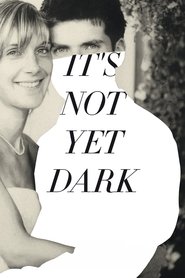
star 7.4The story of Simon Fitzmaurice, a young filmmaker who becomes completely paralyzed from motor neuron disease but goes on to direct an award-winning feature film through the use of his eyes.School Life
2017
School Life
2017
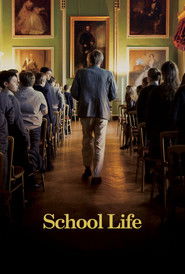
star 6.6John and Amanda teach Latin, English and guitar at a fantastical stately home-turned-school. Nearly 50-year careers are drawing to a close for the pair who have become legends with the mantra: “Reading! ’Rithmetic! Rock ’n’ roll!” But for pupil and teacher alike, leaving is the hardest lesson.Parrot Heads
2017
Parrot Heads
2017
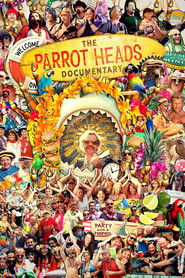
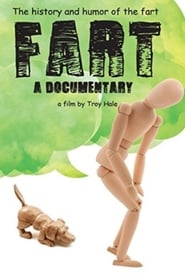
star 6.8An in depth look at the world of Parrot Heads, the loyal fan base of Jimmy Buffett.Fart: A Documentary
2016
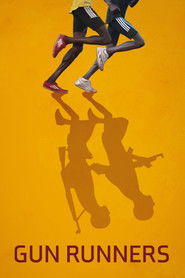
Gun Runners
2016
Gun Runners
2016
star 7.5For years, Julius Arile and Robert Matanda thrive among the bands of warriors that terrorize the North Kenyan countryside. So when both warriors suddenly disappear from the bush, many assume they are dead or have been arrested. Instead, they trade in their rifles for sneakers—in the hopes of making it big as professional marathon runners. Years of fleeing from the police have prepared the men for running marathon distances, but do they have what it takes to overcome the corruption, mistrust and jealousy that threaten to derail their careers?Karl Marx City
2017
Karl Marx City
2017
star 6.8Petra Epperlein and Michael Tucker take a powerfully personal journey through the former East Germany, as Epperlein investigates her father’s 1999 suicide and the possibility that he may have worked as a spy for the dreaded Stasi security service.Black Code
2016
Black Code
2016
star 5.8Toronto-based documentary filmmaker and cinematographer Nicholas de Pencier (Four Wings and a Prayer, Watermark) examines the complex global impact that the internet has had on matters of free speech, privacy and activism.The Women Who Run Hollywood
2016
star 7.1The first talkie was directed by Alice Guy, the first color film was produced by Lois Weber, who directed more than 300 films over 10 years. Frances Marion wrote screenplays for the Hollywood Star Mary Pickford and won two Oscars, Dorothy Arzner was the most powerful film director in Hollywood. And what do all of them have in common? They are all women and they have all been forgotten. Incredibly, it also took until 2010 for the first woman, Kathryn Bigelow, to win the Oscar for Best Director. Even if underrepresented women have always played a big part in Hollywood and it is this part of the film history left untold that this documentary sets out to uncover.