Top Rated Movies on Kanopy - Page 379
All Services
Free Services
 Netflix
 Amazon Prime Video
 Apple iTunes
 Apple TV Plus
 Disney Plus
 Google Play Movies
 Paramount Plus
 Hulu
Hulu
 HBO Max
 YouTube
 fuboTV
 Peacock
 Peacock Premium
 Amazon Video
 The Roku Channel
 AMC+
AMC on Demand
AMC+
AMC on Demand
 Kocowa
 Hoopla
 The CW
 Vudu
Vudu
 Starz
Starz
 Showtime
 PBS
PBS
 Pantaflix
 FXNow
FXNow
 Tubi TV
 Kanopy
 Comedy Central
 Crunchyroll
 Microsoft Store
 Redbox
 Sun Nxt
 ABC
ABC
 DIRECTV
 Crackle
 Fandor
 Plex
Plex
Netflix
Amazon Prime Video
Apple iTunes
Apple TV Plus
Disney Plus
Google Play Movies
Paramount Plus
Hulu
HBO Max
YouTube
fuboTV
Peacock
Peacock Premium
Amazon Video
The Roku Channel
AMC+
AMC on Demand
Kocowa
Hoopla
The CW
Vudu
Starz
Showtime
PBS
Pantaflix
FXNow
Tubi TV
Kanopy
Comedy Central
Crunchyroll
Microsoft Store
Redbox
Sun Nxt
ABC
DIRECTV
Crackle
Fandor
Plex

The Store
1983
The Store
1983
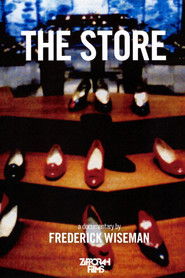
star 6.2THE STORE is a film about the main Neiman-Marcus store and corporate headquarters in Dallas. The sequences in the film include the selection, presentation, marketing, pricing, advertising and selling of a vast array of consumer products including designer clothes and furs, jewelry, perfumes, shoes, electronic products, sportswear, china and porcelain and many other goods. The internal management and organizational aspects of a large corporation are shown, i.e., sales meetings, development of marketing and advertising strategies, training, personnel practices and sales techniques.Picture Mommy Dead
1966
Picture Mommy Dead
1966
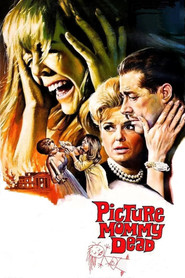
star 5.4Susan Shelley is released from an asylum where she's been confined to after the shock suffered over the fiery death of her mother. Her father has a new wife, who has only married him for the money left to him by his dead wife. Susan is still haunted by her mother's memory, and her step-mother is conspiring with her lover to get the troubled girl to lead them to her mother's missing diamond necklace.Whoopee!
1930
Whoopee!
1930
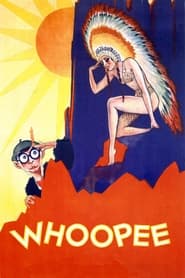
star 6.4Western sheriff Bob Wells is preparing to marry Sally Morgan; she loves part-Indian Wanenis, whose race is an obstacle. Sally flees the wedding with hypochondriac Henry Williams, who thinks he's just giving her a ride; but she left a note saying they've eloped! Chasing them are jilted Bob, Henry's nurse Mary (who's been trying to seduce him) and others.Stunt Squad
1977
Stunt Squad
1977
star 6.1Fed up with the murderous shenanigans of Valli’s protection racket, police chief Grifi assembles an ace team of stunt trained police officers to tackle the mob!You Are Not I
1981
You Are Not I
1981
star 6.5A young woman escapes from a mental hospital during the chaos of a nearby multiple-car accident. She is mistaken for a shock victim and is driven to her sister's house by a rescue volunteer. Then the real story begins...One Take Only
2001
One Take Only
2001
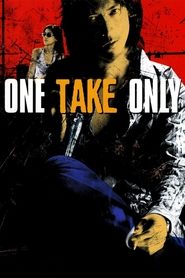
star 5.6Hapless hustler Bank, rescues a miserable young prostitute, Som, from street thugs, and the two begin a quiet romance. When Bank has the opportunity to become a drug-runner for an affluent dealer, he resolves to raise enough money to rescue Som from the sex trade. But, as Bank descends deeper into Bangkok's violent criminal underworld, the possibility of leaving his old life behind grows ever more distant.Something to Remember Me By
2005
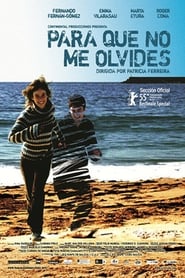
star 6.5Irene lives with Mateo, his father, and her son David, 22 years old. Living together is harmonious and happy, but there is a conflict: David, a brilliant student of architecture, has decided to go and live with his girlfriend Clara, a supermarket cashier. Despite its liberal way of thinking, Irene cannot understand such an unequal relationship. However, David finds in his grandfather the necessary complicity to carry out his plans. Mateo is a old and vital octogenarian despite his tough history: he was a child during the Spanish Civil War (1936-1939), and he lost his house and all his family. But none of that could finish with his energy and desire to live. One day, however, Mateo arrives with terrible news.Why We Fight: The Battle of China
1944
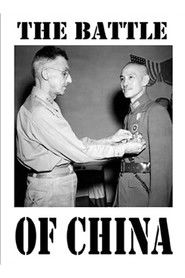
star 6.5The sixth film of Frank Capra's Why We Fight propaganda film series illustrates Japan's occupation of China, including Madame Chiang Kai-Shek's stirring address before congress, the rape of Nanking, the great 2,000 mile migration, and Claire Chennault's Flying Tigers.The ABC of Love and Sex: Australia Style
1978
star 4.3A tongue-in-cheek sex education documentary covering a different subject for each letter of the alphabet, e.g. A is for Anatomy, B is for Babies, etc.Zombie Girl: The Movie
2009
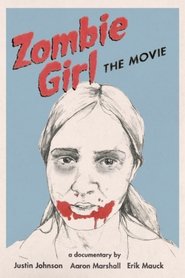
star 6.4Emily Hagins is making a zombie movie. It's feature-length, it's bloody, and the zombies don't run. Just like it should be. But there's just one difference between her film and every other zombie movie you've ever seen. Emily is twelve.Sons of Perdition
2010
Sons of Perdition
2010
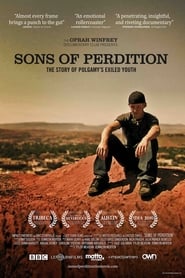
star 6.8An inside look at polygamist teens who have become religious refugees in mainstream America.Khodorkovsky
2011
Khodorkovsky
2011
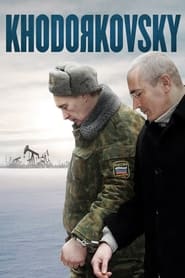
star 5Khodorkovsky, the richest Russian, challenges President Putin. A fight of the titans begins. Putin warns him. But Khodorkovsky comes back to Russia knowing that he will be imprisoned, once he returns. When I heard about it, I asked myself: why didn't he stay in exile with a couple of billions? Why did he do that? A personal journey to Khodorkovsky.51 Birch Street
2006
51 Birch Street
2006
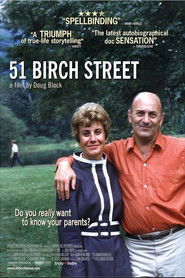
star 7.2Documentary filmmaker Doug Block had every reason to believe his parents' 54-year marriage was a good one. But when his mother dies unexpectedly and his father swiftly marries his former secretary, he discovers two parents who are far more complex and troubled than he ever imagined. 51 Birch Street is a riveting personal documentary that explores a universal human question: how much about your parents do you really want to know?There's No Tomorrow
1940
There's No Tomorrow
1940
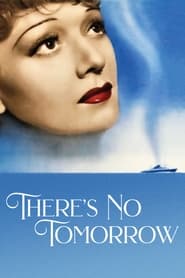
star 6.9Evelyne, a woman of bourgeois origin, now reduced to dancing in a sleazy nightclub, is reunited with her first love, who has become a successful doctor.Blank City
2011
Blank City
2011
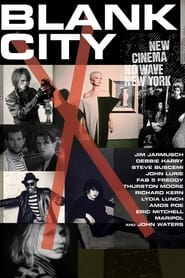
star 7.1In the years before Ronald Reagan took office, Manhattan was in ruins. But true art has never come from comfort, and it was precisely those dire circumstances that inspired artists like Jim Jarmusch, Lizzy Borden, and Amos Poe to produce some of their best works. Taking their cues from punk rock and new wave music, these young maverick filmmakers confronted viewers with a stark reality that stood in powerful contrast to the escapist product being churned out by Hollywood.Santo vs. Infernal Men
1961
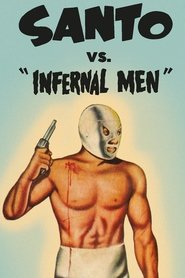
star 3.8Agent Joaquin recalls his latest mission while lying wounded in an ambulance: Joaquin has infiltrated into a band of smugglers. When the villains learn the truth about him, they kidnap Jouqin's fiancee. Santo comes to her rescue and fights the band.Sound and Fury
2000
Sound and Fury
2000
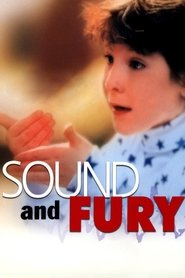
star 7.1A documentary film released in 2000 about two American families with young deaf children and their conflict over whether or not to give their children cochlear implants, surgically implanted devices that may improve their ability to hear but may threaten their deaf identity.Born Equal
2006
Born Equal
2006
star 5Four characters living in one neighbourhood in London - all living dramatically different lives, all of them on the edge - see their stories unfold.Dancing Dreams
2010
Dancing Dreams
2010
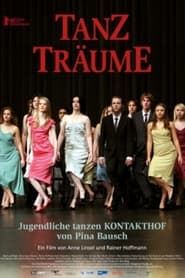
star 6.8The dance performance “Kontakthof” bears the unmistakable signature of Pina Bausch: it deals with forms of human contact, encounters between the sexes, and the search for love and tenderness, with all its attendant anxieties, yearnings and doubts. It is a dance about feelings, which always pose a big challenge – particularly for young people. Teenagers from more than eleven schools in Wuppertal went on an emotional journey that lasted almost a year. Every Saturday, forty students aged between fourteen and eighteen years of age took part in rehearsals that were led by Bausch-dancers Jo-Ann Endicott and Bénédicte Billiet and intensely supervised by Pina Bausch herself.Directed by Andrei Tarkovsky
1988
star 7.6This documentary offers a rare glimpse of the legendary Soviet filmmaker, Andrei Tarkosvky, at work. Tarkovsky made only seven films in his brief, but brilliant, career; Michal Leszczylowski's respectful movie chronicles him at work on his last film, The Sacrifice. Offering insight into Tarkovsky's working methods and transcendental aesthetics, the movie is a compelling account of the difficulties of film production. In the case of an uncompromising and visionary filmmaker like Tarkovsky, the practical problems of filmmaking are only magnified, as cast and crew struggle to realize the ambitious concepts in Tarkovsky's mind.