Top Rated Movies on Kanopy - Page 423
All Services
Free Services
 Netflix
 Amazon Prime Video
 Apple iTunes
 Apple TV Plus
 Disney Plus
 Google Play Movies
 Paramount Plus
 Hulu
Hulu
 HBO Max
 YouTube
 fuboTV
 Peacock
 Peacock Premium
 Amazon Video
 The Roku Channel
 AMC+
AMC on Demand
AMC+
AMC on Demand
 Kocowa
 Hoopla
 The CW
 Vudu
Vudu
 Starz
Starz
 Showtime
 PBS
PBS
 Pantaflix
 FXNow
FXNow
 Tubi TV
 Kanopy
 Comedy Central
 Crunchyroll
 Microsoft Store
 Redbox
 Sun Nxt
 ABC
ABC
 DIRECTV
 Crackle
 Fandor
 Plex
Plex
Netflix
Amazon Prime Video
Apple iTunes
Apple TV Plus
Disney Plus
Google Play Movies
Paramount Plus
Hulu
HBO Max
YouTube
fuboTV
Peacock
Peacock Premium
Amazon Video
The Roku Channel
AMC+
AMC on Demand
Kocowa
Hoopla
The CW
Vudu
Starz
Showtime
PBS
Pantaflix
FXNow
Tubi TV
Kanopy
Comedy Central
Crunchyroll
Microsoft Store
Redbox
Sun Nxt
ABC
DIRECTV
Crackle
Fandor
Plex

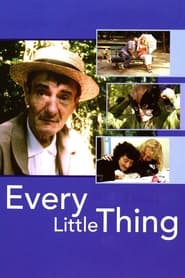
Every Little Thing
1997
Every Little Thing
1997
star 6.1In the summer of 1995, as every year, the patients and staff of "La Borde" psychiatric clinic rehearse their summer play for a performance on August 15th. The film records the ups and downs of the venture as rehearsals go by. Yet, it also delicately captures the day-to-day existence, the seemingly insignificant details, the loneliness and the fatigue but also the collective joy and the close attention that all these people pay to each other.United in Anger: A History of ACT UP
2012
star 6.9United in Anger: A History of ACT UP is an inspiring documentary about the birth and life of the AIDS activist movement from the perspective of the people in the trenches fighting the epidemic. Utilizing oral histories of members of ACT UP, as well as rare archival footage, the film depicts the efforts of ACT UP as it battles corporate greed, social indifference, and government negligence.Drunks
1997
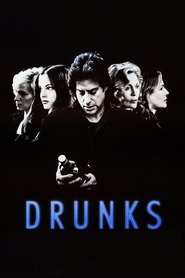
Drunks
1997
star 2.7At the beginning of a nightly Alcoholics Anonymous meeting, Jim seems particularly troubled. His sponsor encourages him to talk that night, the first time in seven months, so he does - and leaves the meeting right after. As Jim wanders the night, searching for some solace in his old stomping grounds, bars and parks where he bought drugs, the meeting goes on, and we hear the stories of survivors and addicts - some, like Louis, who claim to have wandered in looking for choir practice, who don't call themselves alcoholic, and others, like Joseph, whose drinking almost caused the death of his child - as they talk about their lives at the meetingRobert Frost: A Lover's Quarrel with the World
1963
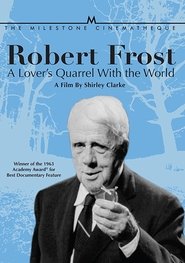
star 6.2The acclaimed poet is examined in this film completed just prior to his death at age 88, with his speaking engagements at Amherst and Sarah Lawrence Colleges intercut with studies of his work, as well as with scenes of his life in rural Vermont and personal reminiscences about his career. He is also seen receiving an award from President Kennedy and touring an aircraft carrier. Preserved by the Academy Film Archive in partnership with UCLA Film & Television Archive in 2006.The Unconquered
1954
The Unconquered
1954
star 7.3Narrated by actress Katharine Cornell and filmed in black and white, it spends the first 24 minutes introducing viewers, through newsreels, interviews, and old photographs, to the story of the deaf and blind disabled-rights pioneer. News footage shows her international appearances and visits with heads of state, including President Eisenhower allowing her to feel his face. The second half takes a day-in-the-(exceptional)-life approach to Keller's existence circa 1955. Made just 13 years before her death, Keller's famed tutor-translator-friend Anne Sullivan had already died, leaving her live-in replacement, Polly Thomson, to share the film's focus. From the time Keller takes her morning walk along the 1,000-foot handrail around her yard through her workday to her nightly reading of her Braille Bible, her serene acceptance of her life will amaze and inspire. Preserved by the Academy Film Archive in 2006.Domestic Violence
2001
Domestic Violence
2001
star 6.4DOMESTIC VIOLENCE shows the Tampa, Florida police responding to domestic violence calls and the work of The Spring, the principal shelter in Tampa for women and children. Sequences with the police include police response, intervention, and attempted resolution of domestic violence calls. Sequences at the shelter include intake interviews, individual counseling sessions, anger management training, group therapy, staff meetings, conversations among clients and between clients and staff, and school activities, therapy, and counseling for children at the shelter.Public Housing
1997
Public Housing
1997
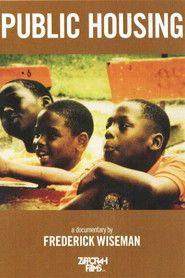
star 7.3Public Housing is Wiseman’s unflinching portrayal of life at the Ida B. Wells housing project in Chicago, a raw exposition of the daily conflicts between residents and the bureaucratic machinery to which they are continually subjected. With intimate detail and an abiding dedication to his subject, Wiseman unearths the hidden facets of institutions to find humanity and sites of unexpected beauty.Multi-Handicapped
1986
Multi-Handicapped
1986
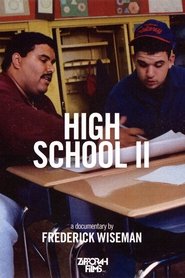
star 6.4This film shows the day to day activities of multi-handicapped and sensory impaired students and their teachers, dormitory parents, and counselors at the Helen Keller School. The primary mission of the school is to meet the total and living needs of deaf and/or blind children, some of whom also have other disabilities. The film presents situations involving personal hygiene, mobility training, concepts of time and money, self help and independent living, dormitory life, recreation, sports, vocational training, and psychological counseling.High School II
1994
High School II
1994
star 6.3HIGH SCHOOL II is a film about Central Park East Secondary School (CPESS), a successful alternative high school in New York's Spanish Harlem, 85-95% of whose graduates go on to four year colleges. The film illustrates the school's emphasis on the “Habits of Mind” program (weighing evidence; awareness of multiple points of view; seeing connections and relationships; speculating on possibilities; and assessing values.) Sequences illustrating the school's approach to learning include: classroom activities in the humanities and sciences; family conferences; discussions of race, class, and gender; faculty meetings; disciplinary problems; sex education; conflict resolution by students; and student council meetings.From Mao to Mozart: Isaac Stern in China
1981
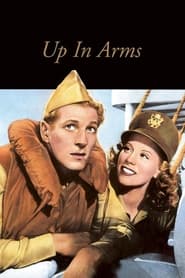
star 5.7A beautiful expression of two differing cultures brought together by the warmth and dedication of a great musician and humanitarian. In 1979, as China re-opened its doors to the West, virtuoso Isaac Stern received an unprecedented government invitation to tour the country. Preserved by the Academy Film Archive in 2000.Up in Arms
1944
Up in Arms
1944
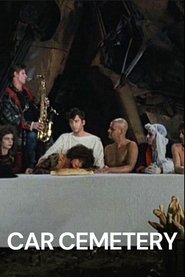
star 5.6Hypochondriac Danny Weems gets drafted and accidentally smuggles his girlfriend aboard his Pacific-bound troopship.Car Cemetery
1983
Car Cemetery
1983
star 4.6The plot is set in a post apocalyptic Junkyard where people take refuge from authority and are able to practice their fantasies and fetishes without being stopped by the police. These people are led by Emanou who is a sort of Messiah, who promises music rather than salvation.Dissolution
2010
Dissolution
2010
star 5.6Hitparkut (Dissolution) combines an almost surreal fairy-tale energy with brutal black and white realism to explore the condition of violence which permeates contemporary Israeli society. Shot is Yafo (the predominantly Arab area of Tel Aviv), the movie follows the moral collapse and first glimmer of redemption, of a young, morose Israeli Jew, played by Israeli actor Didi FireFTA
1972
FTA
1972
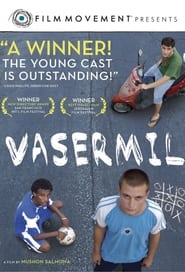
star 6.1A documentary about a political troupe headed by actors Jane Fonda and Donald Sutherland which traveled to towns near military bases in the US in the early 1970s. The group put on shows called "F.T.A.", which stood for "F**k the Army", and was aimed at convincing soldiers to voice their opposition to the Vietnam War, which was raging at the time. Various singers, actors and other entertainers performed antiwar songs and skits during the show.Vasermil
2007
Vasermil
2007
star 6.4Vasermil tells the story of three teenagers who live in the same tough neighborhood, growing up in an unforgiving environment, pinning their hopes on football as a way out. Shlomi lives with his widowed mother, little sister, and step-father and works as a pizza delivery boy. Adiel, of Ethiopian descent, has to look after his young brother and sick mother. Dima, a new immigrant from Russia, has a father who is unemployed and a mother who works as a cleaning lady. The three teens are recruited by the coach of the local football team. Learning to work together as a team is the key to success in the tournament and success in the tournament means getting noticed by the scouts of the local football empire. In order to win the tournament they will have to play as a team, overcome their differences, get over their sense of inferiority and prejudice.Over Your Cities Grass Will Grow
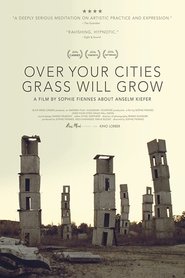
2011
star 6.6The film bears witness to German artist Anselm Kiefer's alchemical creative processes and renders in film, as a cinematic journey, the personal universe he has built at his hill-studio estate in the South of France.Nicky's Family
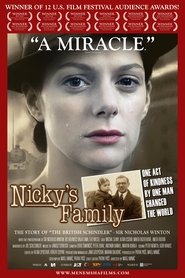
2011
Nicky's Family
2011
star 8.7Nicky's Family is a gripping documentary from the International Emmy Award winning producers Patrik Pass and Matej Minac about a rescue operation of the “British Schindler” - Sir Nicholas Winton who will celebrate this year 103rd birthday. His story has no parallel in modern history. Dramatic reenactments, some of the archive footage never seen before, rescued "children" together with Mr. Winton himself recount this unique story which even after 70 years continues to inspire people, especially children, to make this world a better place. World personalities His Holiness Dalai Lama and Nobel Prize winner Elie Wiesel also took part. ( - from the film's press kit)Time Indefinite
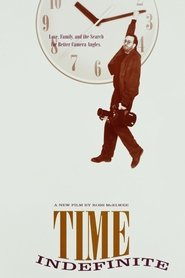
1993
Time Indefinite
1993
star 6.9After documentarian Ross McElwee gets married, a series of misfortunes follow: his grandmother dies, his wife miscarries, and then his father dies less than a week later. Shaken by the sudden string of deaths, McElwee becomes depressed. After spending time with his friend and former high school poetry teacher, Charlene, he goes to meet his brother, a doctor. In a series of interviews, McElwee contemplates his morbid preoccupation with death and tries to figure out how to shake it off.Modus Operandi
2010
Modus Operandi
2010
star 5.8Two briefcases with mysterious contents are stolen from top Presidential candidate Squire Parks, setting off a deadly series of double-crosses and betrayals. Desperate warring factions of subterranean organizations will stop at nothing to gain possession of the sensitive material. A covert branch of the CIA calls on notorious Black Ops agent Stanley Cashay, who has been barely existing in a semi-comatose twilight since the murder of his wife. Cashay is offered the identity of his wife’s killer in exchange for locating and returning the cases.Queen of the Sun: What Are the Bees Telling Us?
2010
star 6.8In 1923, Rudolf Steiner, an Austrian scientist, philosopher & social innovator, predicted that in 80 to 100 years honeybees would collapse. Now, beekeepers around the United States and around the world are reporting an incredible loss of honeybees, a phenomenon deemed "Colony Collapse Disorder." This "pandemic" is indicated by bees disappearing in mass numbers from their hives with no clear single explanation. The queen is there, honey is there, but the bees are gone. For the first time, in an alarming inquiry into the insights behind Steiner's prediction QUEEN OF THE SUN: What Are the Bees Telling Us? investigates the long-term causes behind the dire global bee crisis through the eyes of biodynamic beekeepers, commercial beekeepers, scientists and philosophers.