Top Rated Documentary Movies on Kanopy - Page 140
All Services
Free Services
 Netflix
 Amazon Prime Video
 Apple iTunes
 Apple TV Plus
 Disney Plus
 Google Play Movies
 Paramount Plus
 Hulu
Hulu
 HBO Max
 YouTube
 fuboTV
 Peacock
 Peacock Premium
 Amazon Video
 The Roku Channel
 AMC+
AMC on Demand
AMC+
AMC on Demand
 Kocowa
 Hoopla
 The CW
 Vudu
Vudu
 Starz
Starz
 Showtime
 PBS
PBS
 Pantaflix
 FXNow
FXNow
 Tubi TV
 Kanopy
 Comedy Central
 Crunchyroll
 Microsoft Store
 Redbox
 Sun Nxt
 ABC
ABC
 DIRECTV
 Crackle
 Fandor
 Plex
Plex
Netflix
Amazon Prime Video
Apple iTunes
Apple TV Plus
Disney Plus
Google Play Movies
Paramount Plus
Hulu
HBO Max
YouTube
fuboTV
Peacock
Peacock Premium
Amazon Video
The Roku Channel
AMC+
AMC on Demand
Kocowa
Hoopla
The CW
Vudu
Starz
Showtime
PBS
Pantaflix
FXNow
Tubi TV
Kanopy
Comedy Central
Crunchyroll
Microsoft Store
Redbox
Sun Nxt
ABC
DIRECTV
Crackle
Fandor
Plex

Hiding and Seeking
2004
Hiding and Seeking
2004
star 6.7An Orthodox Jewish father tries to alert his adult sons to the dangers of creating impenetrable barriers between themselves and those outside their faith. He takes them on an emotional journey to Poland to track down the family who risked their lives to hide their grandfather for more than two years during World War II. Like many children of survivors, the sons feel that Poland is a country that is incurably anti-Semitic, but it is precisely here that they meet people who personify the highest levels of compassionFresh
2009
Fresh
2009
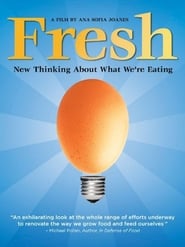
star 7.8FRESH is more than a movie, it’s a gateway to action. Our aim is to help grow FRESH food, ideas, and become active participants in an exciting, vibrant, and fast-growing movement.The Ritchie Boys
2004
The Ritchie Boys
2004
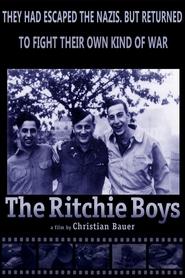
star 7During WWII, the U.S. formed an elite intelligence unit -- mostly German Jewish academics -- at Camp Ritchie, Maryland. Tasked with devising ways to break the morale of the SS, these men are often credited with bringing an early end to the war. Some of these heroes, who are now in the eighties, are reunited in this documentary.Only When I Dance
2009
Only When I Dance
2009
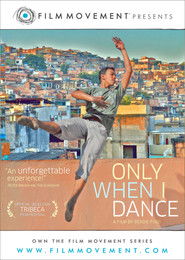
star 6.3Defying the idea that ballet is an art form steeped in the history of the wealthy white elite, this documentary captures the dreams of two black children from the Favela in Brazil, who, despite constant prejudice and doubt, are both determined to beat the odds and follow their dreams to use dancing as an escape rarely found in their tough day to day lives.Inside the Koran
2008
Inside the Koran
2008
star 3.7In this eye-opening film, director Antony Thomas goes deep into the heart of the Muslim world to explore the history and current state of Islam. He attempts to ascertain what Islam's Holy Book actually says about such subjects as equality, punishment, peace, other faiths and suicide bombing. As with most holy books, the paradoxes contained within lead to an extremely wide range of interpretations, and as such can be "used for ultimate grace or as an alibi for appalling acts and beliefs." Thomas investigates how Islam's teachings in the Koran are very tactfully being employed by nations and powerful leaders alike to further their own political, cultural, and social norms.Ancient Futures: Learning from Ladakh
1993
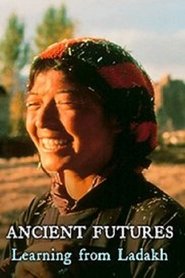
star 5Ladakh, or Little Tibet, is a wildly beautiful desert land high in the western Himalayas. It is a place of few resources and an extreme climate. Yet, for more than a thousand years, it has been home to a thriving culture. Traditions of frugality and co-operation, coupled with an intimate and location-specific knowledge of the environment, enabled the Ladakhis not only to survive, but to prosper. Then came development. Now in Leh, the capital, one finds pollution and divisiveness, inflation and unemployment, intolerance and greed. Centuries of ecological balance and social harmony are under threat from modernisation. The breakdown of Ladakh's culture and environment forces us to re-examine what we really mean by progress - not only in the developing parts of the world, but in the industrialized world as well. The story of Ladakh teaches us about the root causes of environmental, social and psychological problems, and provides valuable guidelines for our own future.Football Under Cover
2008
Football Under Cover
2008
star 6.3David Asmmann's Football Under Cover documents the hard work involved in setting up an exhibition soccer match, known as a "friendly," between a German girls squad and Iranian women's team. In addition to showing how the two groups come from very different cultures, the documentary showcases what playing the game means to the members of both teams, and displays how passionate the fans of these two squads are.The Rise and Fall of Terrorgram
2025
star 8FRONTLINE and ProPublica investigate how an online network known as Terrorgram spread extremism and violence. The documentary traces the rise of a global community of white supremacists and the anonymous, loosely moderated platforms used to spread hate and promote terror attacks.Trump's Comeback
2025
Trump's Comeback
2025
star 7FRONTLINE examines defining moments over Donald Trump’s life and career, his 2020 election loss, felony convictions and his historic comeback.Eyes of Gaza
2024
Eyes of Gaza
2024
star 5More journalists have been killed over the course of a year in the Israel-Gaza war than in any other conflict since the Committee to Protect Journalists started collecting data in 1992. This hellish portrait follows three Palestinian journalists in northern Gaza as they are forced put their lives at risk while trying to do their work.Writing Hawa
2025
Writing Hawa
2025
star 9Afghan documentary maker Najiba Noori offers not only a loving and intimate portrait of her mother Hawa, but also shows in detail how the arduous improvement of the position of women is undone by geopolitical violence. The film follows the fortunes of Noori’s family, who belong to the Hazaras, an ethnic group that has suffered greatly from discrimination and persecution.Marlee Matlin: Not Alone Anymore
2025
star 7.5In 1987, Marlee Matlin became the first Deaf actor to win an Academy Award and was thrust into the spotlight at 21 years old. Reflecting on her life in her primary language of American Sign Language, Marlee explores the complexities of what it means to be a trailblazer.*smiles and kisses you*
2024
star 6.5The relationship between a man and his life-size AI-animated doll is explored in this moving documentary. A clear eyed and open hearted take on machine learning and loneliness, in an age of algorithmic dating apps.Two American Families: 1991-2024
2024
star 8It’s a central premise of the American dream: If you’re willing to work hard, you’ll be able to make a living and build a better life for your children. But what if working hard isn’t enough to get ahead — or even to ensure your family’s basic financial stability? Two American Families: 1991-2024, a special, two-hour documentary filmed over more than 30 years, is a portrait of perseverance from FRONTLINE, Bill Moyers, and filmmakers Tom Casciato and Kathleen Hughes that raises unsettling questions about the changing nature of the American economy and the impact on people struggling to make a living. This is the saga of two families in Milwaukee, Wisconsin — one Black, the Stanleys, and one white, the Neumanns — who have spent the past 34 years battling to keep from sliding into poverty, and who refuse to give up despite the economic challenges that their stories reveal.Obesity: America In Danger
2019
star 7A look at the reasons for 160 million Americans being severely overweight.Poisoned Ground: The Tragedy at Love Canal
2024
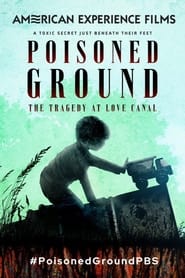
star 8Poisoned Ground: The Tragedy at Love Canal tells the dramatic and inspiring story of the ordinary women who fought against overwhelming odds for the health and safety of their families. In the late 1970s, residents of Love Canal, a working-class neighborhood in Niagara Falls, New York, discovered that their homes, schools and playgrounds were built on top of a former chemical waste dump, which was now leaking toxic substances and wreaking havoc on their health. Through interviews with many of the extraordinary housewives turned activists, the film shows how they effectively challenged those in power, forced America to reckon with the human cost of unregulated industry, and created a grassroots movement that galvanized the landmark Superfund Bill.23 Foreigners — Our Brothers
2024
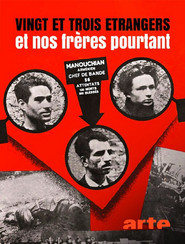
star 7.5Just outside Paris, in a peaceful clearing surrounded by woods, a French flag flies above a bare concrete pad. Here, on February 21, 1944, Nazi occupiers executed 23 Resistance fighters by firing squad. After the executions, the Nazis highlighted many of the murdered fighters on a notorious red poster, labelling them as foreigners, communists, and Jews. 23 FOREIGNERS — OUR BROTHERS tells the stories behind some of the faces on that poster, exploring their lives through archival photos, letters they wrote on the eve of their deaths, and moving interviews with their descendants.The Hobby: Tales from the Tabletop
2024
star 5.5Are games the meaning of life? The Hobby is a funny, affectionate, character-driven portrait of the massive subculture of modern board games, featuring a fascinating and diverse group of subjects who find deep meaning in “meaningless” pursuits.Fly With Me
2024
Fly With Me
2024
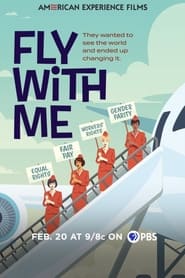
star 7.5Fly With Me tells the story of the pioneering young women who became flight attendants at a time when single women were unable to order a drink, eat alone in a restaurant, own a credit card or get a prescription for birth control. Becoming a “stewardess,” as they were called, offered unheard-of opportunities for travel, glamour, adventure and independence. Although often maligned as feminist sellouts, these women were on the frontlines of the battle to assert gender equality and transform the workplace. Featuring firsthand accounts, personal stories and a rich archival record, the film tells the lively and important but neglected history of the women who changed the world while flying it.My Stolen Planet
2024
My Stolen Planet
2024
star 6.5Farah, an Iranian woman, is forced to migrate to her private planet to be free. She buys other people’s memories in form of Super 8 films and records and archives her own to create an alternative history of Iran.