Top Rated Documentary Movies on Kanopy - Page 147
All Services
Free Services
 Netflix
 Amazon Prime Video
 Apple iTunes
 Apple TV Plus
 Disney Plus
 Google Play Movies
 Paramount Plus
 Hulu
Hulu
 HBO Max
 YouTube
 fuboTV
 Peacock
 Peacock Premium
 Amazon Video
 The Roku Channel
 AMC+
AMC on Demand
AMC+
AMC on Demand
 Kocowa
 Hoopla
 The CW
 Vudu
Vudu
 Starz
Starz
 Showtime
 PBS
PBS
 Pantaflix
 FXNow
FXNow
 Tubi TV
 Kanopy
 Comedy Central
 Crunchyroll
 Microsoft Store
 Redbox
 Sun Nxt
 ABC
ABC
 DIRECTV
 Crackle
 Fandor
 Plex
Plex
Netflix
Amazon Prime Video
Apple iTunes
Apple TV Plus
Disney Plus
Google Play Movies
Paramount Plus
Hulu
HBO Max
YouTube
fuboTV
Peacock
Peacock Premium
Amazon Video
The Roku Channel
AMC+
AMC on Demand
Kocowa
Hoopla
The CW
Vudu
Starz
Showtime
PBS
Pantaflix
FXNow
Tubi TV
Kanopy
Comedy Central
Crunchyroll
Microsoft Store
Redbox
Sun Nxt
ABC
DIRECTV
Crackle
Fandor
Plex

Two for the Opera Box
2021
star 2.5In the Hollywood's studio system, sets and equipment were used over and over again. Maybe this is why movies seem to have a dream logic today. A feeling of déjà vu as if we have already been there - and sometimes we have.The Red Ring
2021
The Red Ring
2021
star 5.5Director, Joonas Berghäll, suffers from chronic Lyme disease. He looks for a cure to his illness and by doing so finds himself thrown into the midst of a worldwide lobby-driven and political medical debate about Lyme disease and the threat of it becoming the next wide scale epidemic.What if? Ehud Barak on War and Peace
2020
star 6.5Can a leader succeed in influencing the world? Or is he, as any other human being, only a nutshell tossed to the waves of history with no ability to affect it? Tolstoy pondered this question in War and Peace. Ehud Barak, controversial former prime minister and a decorated commander on the battlefield, contemplates it in this film. Twenty years after he was forced to resign from the premiership due to the failure of the 2000 Camp David summit, 78-year-old Barak observes his own history and the history of the State of Israel with disillusioned clarity, while trying to figure it all out - "What if?"Adam Sandler: Funny Guy
2020
star 4Adam remains a consistent favorite among fans who are comforted that they will always have a good time. Get the inside story on this fascinating actor, comedian, screenwriter, producer, husband, father, and forever FUNNY GUY.NOVA: Decoding da Vinci
2019
star 7.5Leonardo da Vinci was a Renaissance genius. Not only did he paint masterpieces of art, but he was an obsessive scientist and inventor, dreaming up complex machines centuries ahead of his time, including parachutes, armored tanks, hang gliders and robots. On the 500th anniversary of Leonardo’s death, with the help of biographer Walter Isaacson, NOVA investigates the secrets of Leonardo’s success. How did his scientific curiosity, from dissections of cadavers to studies of optics, shape his genius and help him create perhaps the most famous painting of all time, the "Mona Lisa"?President Biden
2021
President Biden
2021
star 8FRONTLINE tells the story of how crisis and tragedy prepared Joe Biden to become America’s next president. Those who know him best describe the searing moments that shaped President-elect Biden and what those challenges reveal about how he will govern.Journey to Royal: A WWII Rescue Mission
2021
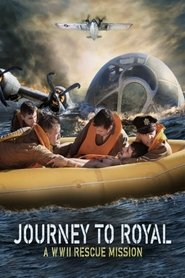
star 9WWII hero with the 4th Emergency Rescue Squadron, Lt. Royal Stratton, leads a deadly mission to save the lives of nine downed airmen adrift in enemy waters of a war-torn South Pacific. Immersive cinematography and gripping action, mixed with firsthand accounts and historical images, showcase the valor of this squadron who faced overwhelming odds to bring their brothers home.The Meaning of Vanlife
2019
star 5.5The Meaning of Vanlife is an adventurous, revealing look into the Vanlife community through the eyes of nomads who have chosen to live a life of freedom on the road. A movement that exemplifies a deeper societal trend towards minimalism and authentic community building.Burt Lancaster: Daring to Reach
1996
star 7He went from street-wise tough to art-collector liberal-activist, from circus-acrobat hunk to Academy Award winner. Burton Stephen Lancaster — later Burt Lancaster — was one of five children of a New York City postal worker. By eighteen, Burt was 6'2" and blessed with the athletic physique and dynamic good looks that helped make him famous. A stint in the Army introduced Burt to acting and led him to Hollywood where his first release, "The Killers" (1946), propelled him to stardom at age 32. He took control of his own career and seldom faltered.The Bridge Master's Daughter
2018
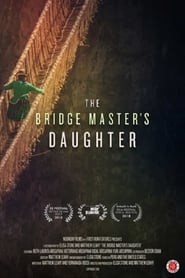
star 6.5In the Peruvian highlands, a father and master of a 300-year-old bridge weaving tradition struggles to maintain his culture as his daughter tries to escape it.Filmmakers for the Prosecution
2023
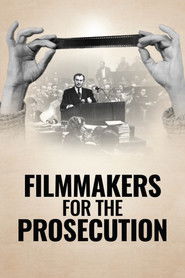
star 6.5In 1945, two young American soldiers, brothers Budd and Stuart Schulberg, are commissioned to collect filmed and recorded evidence of the horrors committed by the infamous Third Reich in order to prove Nazi war crimes during the Nuremberg trials (1945-46). The story of the making of Nuremberg: Its Lesson for Today, a paramount historic documentary, released in 1948.President
2023
President
2023
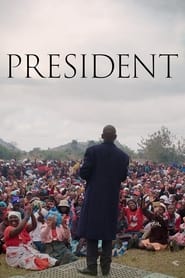
star 7.5Zimbabwe is at a crossroads. The leader of the opposition MDC party, Nelson Chamisa, challenges the old guard ZANU-PF led by Emmerson Mnangagwa, known as “The Crocodile.” The election tests both the ruling party and the opposition – how do they interpret principles of democracy in discourse and in practice?In the Age of AI
2019
In the Age of AI
2019
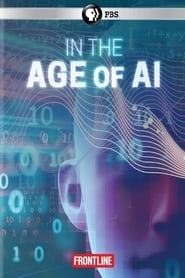
star 8.5A documentary exploring how artificial intelligence is changing life as we know it — from jobs to privacy to a growing rivalry between the U.S. and China. FRONTLINE investigates the promise and perils of AI and automation, tracing a new industrial revolution that will reshape and disrupt our world, and allow the emergence of a surveillance society.One Wedding and a Revolution
2004
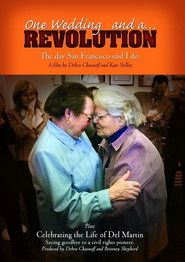
star 1This short film reveals the inspiration, motivation and political challenges at San Francisco City Hall during the frantic days leading up to the first government-sanctioned same-sex marriage.The Politics of Hate
2017
The Politics of Hate
2017
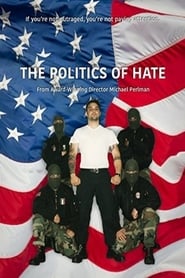
star 8At 16 he became the leader of the Chicago Area Skinheads, later a white supremacist punk band. But when Christian Picciolini started a family, he began questioning his far right views. This timely doc explores a changing Western political climate, chronicling the rise of the far right in the US and Europe, and giving alarming insights into the ways the alt-right movement operates.The Truth About Fat
2020
The Truth About Fat
2020
star 8Scientists are coming to understand fat as a dynamic organ—one whose size may have more to do with biological processes than personal choices. Explore the mysteries of fat and its role in hormone production, hunger, and even pregnancy.Not Done: Women Remaking America
2020
star 7"Not Done: Women Remaking America" chronicles the seismic eruption of women's organizing from the 2016 election through today, and the intersectional fight for equality that has now gone mainstream. Like the movement it documents, this story is told collectively: through the firsthand experiences and narratives of frontline activists, writers, celebrities, artists, and politicians who are remaking culture, policy, and most radically, our notions about gender. Premiering against the backdrop of an unprecedented pandemic and widespread social upheaval, "Not Done" shines a light on the next generation of feminists who are unafraid to take on complex problems and are leading the way to true equality.My Beautiful Stutter
2019
My Beautiful Stutter
2019
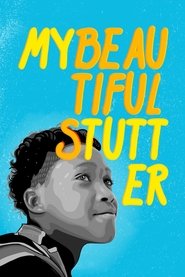
star 10Follows five kids who stutter, ages 9 to 18, from all over the United States, who after experiencing a lifetime of bullying and stigmatization, meet other children who stutter at an interactive arts-based program, The Stuttering Association for the Young, based in New York City. Their journey to SAY find some close to suicide, others withdrawn and fearful, exhausted and defeated from failed fluency training, societal pressures to not stutter or the decision to remain silent. Over the course of a year we witness first hand the incredible transformation that happens when these young people of wildly different backgrounds experience for the first time the revolutionary idea at the heart of SAY: that it's okay to stutter.You Will Not Have My Hate
2016
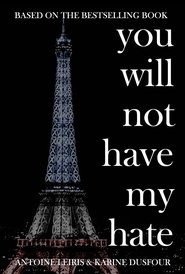
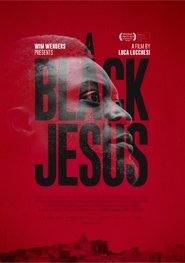
star 8After his wife was murdered during the Bataclan attacks, Antoine Leiris wrote an open letter on Facebook to his wife’s killer. The letter argued that the terrorists had failed because they would never have his hate. In this film, Leiris sets out to meet people like him who are trying to move on after terrorist attacks.A Black Jesus
2020
A Black Jesus
2020
star 8In Siculiana, a small Sicilian town full of flaking facades, religiosity is lived out as a matter of course. And of course the figure of Jesus Christ worshipped here is black, and always has been. However, some people cannot get used to their dark-skinned neighbours in the refugee camp. The camera accompanies locals and stranded people along their paths, which often lead to the church, but not necessarily together, and draws a kind of map of the city in black-on-black contrasts.