Top Rated Documentary Movies on Kanopy - Page 207
All Services
Free Services
 Netflix
 Amazon Prime Video
 Apple iTunes
 Apple TV Plus
 Disney Plus
 Google Play Movies
 Paramount Plus
 Hulu
Hulu
 HBO Max
 YouTube
 fuboTV
 Peacock
 Peacock Premium
 Amazon Video
 The Roku Channel
 AMC+
AMC on Demand
AMC+
AMC on Demand
 Kocowa
 Hoopla
 The CW
 Vudu
Vudu
 Starz
Starz
 Showtime
 PBS
PBS
 Pantaflix
 FXNow
FXNow
 Tubi TV
 Kanopy
 Comedy Central
 Crunchyroll
 Microsoft Store
 Redbox
 Sun Nxt
 ABC
ABC
 DIRECTV
 Crackle
 Fandor
 Plex
Plex
Netflix
Amazon Prime Video
Apple iTunes
Apple TV Plus
Disney Plus
Google Play Movies
Paramount Plus
Hulu
HBO Max
YouTube
fuboTV
Peacock
Peacock Premium
Amazon Video
The Roku Channel
AMC+
AMC on Demand
Kocowa
Hoopla
The CW
Vudu
Starz
Showtime
PBS
Pantaflix
FXNow
Tubi TV
Kanopy
Comedy Central
Crunchyroll
Microsoft Store
Redbox
Sun Nxt
ABC
DIRECTV
Crackle
Fandor
Plex

How Not to Die
2023
How Not to Die
2023
The majority of premature deaths can be prevented through simple changes in diet and lifestyle. In How Not to Die, Dr. Michael Greger examines the fifteen top causes of death in America-heart disease, various cancers, diabetes, high blood pressure, and more. He explains how nutrition and lifestyle can sometimes trump prescription pills and other approaches, freeing us to live healthier lives.The Middle Passage
1997
The Middle Passage
1997
"Explores the 400-year era of the transatlantic slave trade, when millions of Africans were kidnapped and shipped to the Americas. Features interviews with scholars, oral histories and a dramatic recreation of the Middle Passage" (The History Channel).Luce mia
2016
Luce mia
2016
It was the spring of 2010 when I discovered that I was ill with leukemia. I was 29 years old and had never been in a hospital before. The fear, the chemotherapy, the waiting. After six months, everything seemed to be getting better, and a year and a half later, my first daughter, Nora, was born. So, three years later, I decided to return to the ward where everything had begun, to try to make sense of what had happened to me. Inside those rooms, I met Sabrina, who was going through what I had experienced. "Leucemia" is the story of our meeting, our journey together, and our shared experiences. It is the story of our friendship and our leukemia. (The author)Sexy Inc. Our Children Under Influence
2007
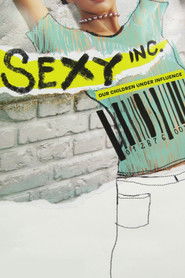
An analysis of the hypersexualization of the media environment and its effects on young people. Psychologists, teachers and school nurses criticize the unhealthy culture surrounding children, where marketing and advertising target younger and younger audiences and bombard them with sexual and sexist images.Fight the Power: The Movements That Changed America
2021
“Looks at the impact key movements throughout U.S. history have had in shaping our society, laws and culture. From the labor movement of the 1880s, women's suffrage and civil rights, to the LGBTQ+ and Black Lives Matter movements, protest is in the American DNA and this documentary gives an unfiltered look at the ways it has evolved the world in which we live.”The Palestine Exception
2026
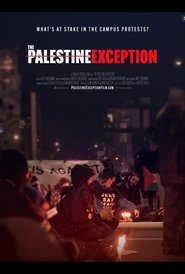
After years of right-wing assaults on higher education, attacks took a new form in 2023 and 2024 that has been described as the new McCarthyism. As students across the country organize protests against Israel's war on Gaza, decades-long taboos in academia around criticism of Israel-the "Palestine exception"-are shattered. This film features professors and students as they join calls for a ceasefire and divestment from companies that do business with Israel and face waves of crackdown from administrators, the media, the police and politicians. Scholars from diverse disciplines explain what is at stake in these protests and why so many young people identify with the Palestinian cause. The documentary unfolds as a story of college campuses as sites of both rebellion and repression, places where personal and collective histories converge in unexpected ways.The ABC of Internal Combustion Engines
1947
Another of the Power Primer series of GM American Industrial Films, this one looking at the internal combustion engine.Plongeons
1936
Plongeons
1936
From ski jumping to jumping into the Doubs: “Plongeons” is Armand Girard's sporting epic. The watchmaker from Le Locle, who commissioned the film from the Geneva-based company Cinégram S.A., performs physical feats in front of the camera. The most spectacular of these is a jump from a height of 40 meters into the Doubs on 19 July 1936, a record that remained unmatched for a long time. The landscapes of the Jura serve as the backdrop for Girard's sporting achievements, which go beyond nature and physical culture.Monk in Pieces
2025
Monk in Pieces
2025
Visionary composer and performer Meredith Monk overcame hostile critics to become one of the great artists of her time. In her seventh decade of creativity, she ponders how such singular work can continue without her.ROLLOUT
2022
ROLLOUT
2022
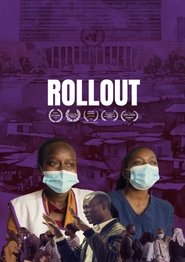
“Rollout“ is a vérité-style journey alongside residents of a tight-knit Kenyan community gripped by the “shadow pandemic of vaccine hesitancy,” as they face mounting pressure from a government they don’t trust, to get a vaccine they suspect may cause more harm than good.Soul of a Nation
2025
Soul of a Nation
2025
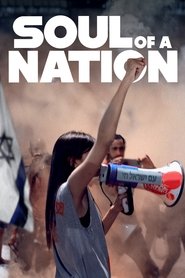
An unfiltered look at Israel’s most perilous chapter in recent history, a period defined by internal divisions and political extremism. Drawing on insights from Nobel laureates, Muslim leaders, peace activists, and other prominent figures, the film dismantles preconceived notions about one of the world's most scrutinized countries. Directed by Jonathan Jakubowicz (Resistance, Hands of Stone).The Atlanta Child Murders
2010
A look back on the string of shocking murders of preteen, teenage, and young adult African-Americans in the city of Atlanta from 1979 to 1981.Love and Sex in West Africa
2022
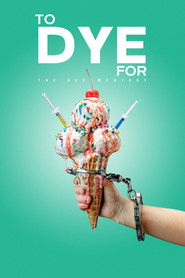
Ivory Coast, the Democratic Republic of Congo, and Senegal – when it comes to love and sex, these African countries are caught between tradition and modernity.To Dye For: The Documentary
2025
After discovering their child's life-altering sensitivity to synthetic dyes, parents and first-time filmmakers set out to uncover the impacts of these additives. They journey to meet with the world's leading synthetic dye experts, conducting in-person interviews with scientists, researchers, and impacted families. This exploration reveals a series of shocking stories and surprising discoveries.World War II: The Fall of France
2001
Hitler attacks west invading Belgium and Holland, Operation Dynamo and the attempt to evacuate the British expeditionary force at Dunkirk culminating in the fall of France.Taking Pictures
1996
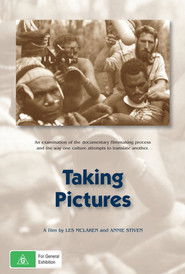
Taking Pictures
1996
Before the 1970s, the Commonwealth Film Unit represented the people of PNG in a paternalistic way, as curiosities. The unit used pompous voice-overs telling viewers what they should believe. Les McLaren and Annie Stiven are two of a group of Australian filmmakers who have lived and worked in PNG during the past 25 years and who see their roles rather differently. Through their films, they have endeavoured to reflect Papua New Guineans' complexity of thought, language and culture, using a wide variety of filmic styles and techniques. The film features interviews with a variety of Australian filmmakers who have worked extensively in PNG, including Bob Connolly and Robin Anderson, Chris Owen, Dennis O'Rourke and Gary Kildea. This documentary is a fascinating tracing of PNG culture and history from the 1930s until today.Complicated
2025
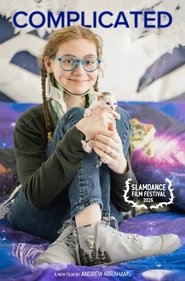
Complicated
2025
In a time when the failures of healthcare in America are coming under scrutiny, COMPLICATED tells the poignant story of kids with complicated illness suffering at the margins of mainstream medicine—and their parents who risk losing them if they go too far to help: a shocking look at a hidden epidemic in pediatric care when complex disease, lack of research, and the limits of child protection collide.Mahalia Jackson Sings the Songs Of Christmas
1997
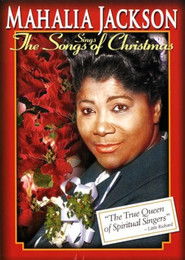
Featuring over 40 minutes of vintage performances by the world's greatest gospel singer, this is Mahalia at her most powerful, singing the beloved songs of the holiday season.Originally intended as musical vignettes for CBS's 1960-61 television season, this beautiful footage has been digitally remastered for optimum sound and picture quality form the original 16mm Kinescopes.Fudge, Packer? The True Story of Cannibal! The Musical
2024
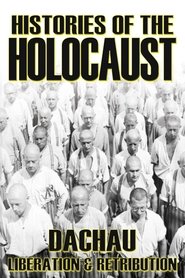
Feature length documentary on the making of CANNIBAL! THE MUSICAL.Histories Of The Holocaust: Dachau - Liberation And Retribution
2011
The inhuman brutality and bloodshed that was endemic at Dachau - Nazi Germany's first concentration camp - did not come to an end with its 1945 liberation, for this dread place proved capable of triggering a spate of vengeful retaliation not only by its half-crazed prisoners, but their rescuers. Chapels of various faiths, memorials and sculptures now mark the camp's sites of execution and torture.