Top Rated Documentary Movies on Kanopy - Page 24
All Services
Free Services
 Netflix
 Amazon Prime Video
 Apple iTunes
 Apple TV Plus
 Disney Plus
 Google Play Movies
 Paramount Plus
 Hulu
Hulu
 HBO Max
 YouTube
 fuboTV
 Peacock
 Peacock Premium
 Amazon Video
 The Roku Channel
 AMC+
AMC on Demand
AMC+
AMC on Demand
 Kocowa
 Hoopla
 The CW
 Vudu
Vudu
 Starz
Starz
 Showtime
 PBS
PBS
 Pantaflix
 FXNow
FXNow
 Tubi TV
 Kanopy
 Comedy Central
 Crunchyroll
 Microsoft Store
 Redbox
 Sun Nxt
 ABC
ABC
 DIRECTV
 Crackle
 Fandor
 Plex
Plex
Netflix
Amazon Prime Video
Apple iTunes
Apple TV Plus
Disney Plus
Google Play Movies
Paramount Plus
Hulu
HBO Max
YouTube
fuboTV
Peacock
Peacock Premium
Amazon Video
The Roku Channel
AMC+
AMC on Demand
Kocowa
Hoopla
The CW
Vudu
Starz
Showtime
PBS
Pantaflix
FXNow
Tubi TV
Kanopy
Comedy Central
Crunchyroll
Microsoft Store
Redbox
Sun Nxt
ABC
DIRECTV
Crackle
Fandor
Plex

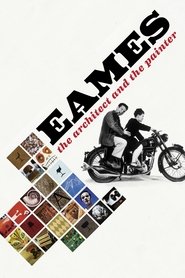
Eames: The Architect and the Painter
2011
star 7.1Interviews with the junior designers swept into the 24-7 world of "The Eamery" are the heart of this complex picture of a husband-and-wife creative team that define the era of Mid-Century Modernism. Narrated by James Franco, the film draws from a trove of archival material, primarily the stunning films and photographs produced in mind-boggling volume by Charles, Ray, and their staff during the hyper-creative forty years of the Eames Office.L'Amour Fou
2010
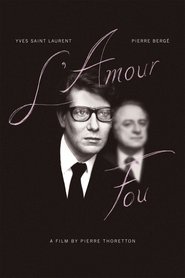
L'Amour Fou
2010
star 6.9This documentary examines the life and work of the late fashion designer Yves Saint-Laurent, recounting how a frail prodigy prone to bouts of depression became an icon of the fashion world. Initially appointed head of the House of Dior in 1957 before growing into a globally recognized designer in his own right, Saint-Laurent overcomes his struggles with substance abuse, accumulating a large art collection alongside his lifelong personal and professional partner, Pierre Bergé.Paragraph 175
2000
Paragraph 175
2000
star 6.5During the Nazi regime, there was widespread persecution of homosexual men, which started in 1871 with the Paragraph 175 of the German Penal Code. Thousands were murdered in concentration camps. This powerful and disturbing documentary, narrated by Rupert Everett, presents for the first time the largely untold testimonies of some of those who survived.Grass
1999
Grass
1999
star 6.5Marijuana is the most controversial drug of the 20th Century. Smoked by generations to little discernible ill effect, it continues to be reviled by many governments on Earth. In this Genie Award-winning documentary veteran Canadian director Ron Mann and narrator Woody Harrelson mix humour and historical footage together to recount how the United States has demonized a relatively harmless drug.Žižek!
2005
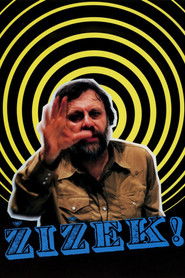
Žižek!
2005
star 6.8ŽIŽEK! trails the thinker as he crisscrosses the globe, racing from New York City lecture halls, through the streets of Buenos Aires, and even stopping at home in Ljubljana, Slovenia. All the while Žižek obsessively reveals the invisible workings of ideology through his unique blend of Lacanian psychoanalysis, Marxism, and critique of pop culture.Jane by Charlotte
2022
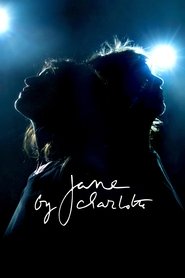
Jane by Charlotte
2022
star 7Charlotte Gainsbourg looks at her mother Jane Birkin in a way she never did, overcoming a sense of reserve. Using a camera lens, they expose themselves to each other, begin to step back, leaving space for a mother-daughter relationship.Insert Coin
2020
Insert Coin
2020
star 6.9The oral history of a team of geeks and misfits in the back of a Chicago factory creating the biggest video games of all time. Midway Games pioneered the concept of live-action gaming, kick-starting a new arcade boom and grossing billions of dollars with hits like Mortal Kombat and NBA Jam. The documentary covers much of Mortal Kombats history, including the creation of fatalities and characters such as Liu Kang, Kitana, Johnny Cage and Scorpion.TFW No GF
2020
TFW No GF
2020
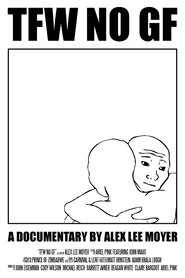
star 5.9Born from the internet, the phrase "TFW No GF" was originally used online to describe a lack of romantic companionship. Since then, it has evolved to symbolize a greater state of existence defined by isolation, rejection and alienation. The meme's protagonist, "WOJAK," has become the mascot to a vast online community consisting of self-described "hyper-anonymous twenty somethings" and "guys who slipped between the cracks." TFW No GF asks: How has the zeitgeist come to bear down on a generation alienated by the 'real world'? Meet the lost boys who came of age on the internet- places like 4chan and Twitter, where they find camaraderie in despair.Marianne & Leonard: Words of Love
2019
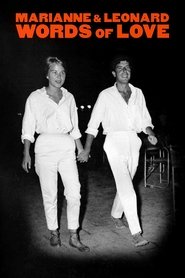
star 6.3A story of enduring love between Leonard Cohen and his Norwegian muse, Marianne Ihlen. The film follows their relationship from their early days in Greece, a time of "free love" and open marriage, to how their love evolved when Leonard became a successful musician.Active Measures
2018
Active Measures
2018
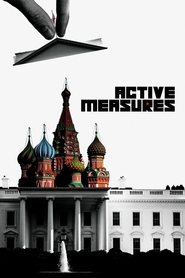
star 7.4Russian president Vladimir Putin attacks the 2016 American Presidential Election in collaboration with The Trump Campaign.Rat Film
2016
Rat Film
2016
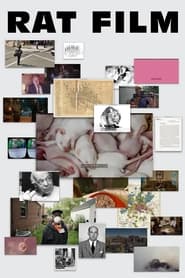
star 7Across walls, fences, and alleys, rats not only expose our boundaries of separation but make homes in them. "Rat Film" is a feature-length documentary that uses the rat—as well as the humans that love them, live with them, and kill them--to explore the history of Baltimore.How to Change the World
2014
star 7.1In 1971, a group of friends sail into a nuclear test zone, and their protest captures the world's imagination. Using never before seen archive that brings their extraordinary world to life, How To Change The World is the story of the pioneers who founded Greenpeace and defined the modern green movement.Being Evel
2015
Being Evel
2015
star 6.6In the history of sports, few names are more recognizable than that of Evel Knievel. Long after the man hung up his famous white leather jumpsuit and rode his Harley into the sunset, his name is still synonymous with the death-defying lifestyle he led. Notoriously brash, bold, and daring, Knievel stared death in the face from the seat of his motorcycle, but few know the larger-than-life story of the boy from Butte, Montana.Happy Valley
2014
Happy Valley
2014
star 6.9The children of "Happy Valley" were victimized for years, by a key member of the legendary Penn State college football program. But were Jerry Sandusky’s crimes an open secret? With rare access, director Amir Bar-Lev delves beneath the headlines to tell a modern American parable of guilt, redemption, and identity.Deceptive Practice: The Mysteries and Mentors of Ricky Jay
2012
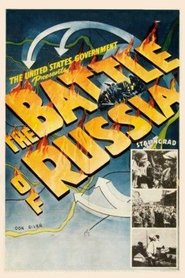
star 6.9The life and career of renowned magician and sleight of hand artist Ricky Jay.Why We Fight: The Battle of Russia
1943
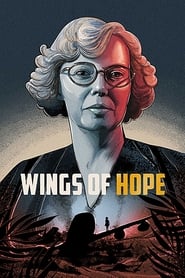
star 6.8The fifth film of Frank Capra's Why We Fight propaganda film series, revealing the nature and process of the fight between the Soviet Union and Germany in the Second World War.Wings of Hope
1999
Wings of Hope
1999
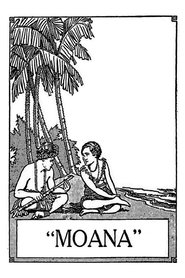
star 7Werner Herzog returns to the South American jungle with Juliane Koepcke, the German woman who was the sole survivor of a plane crash there in 1971. They find the remains of the plane and recreate her journey out of the jungle.Moana
1926
Moana
1926
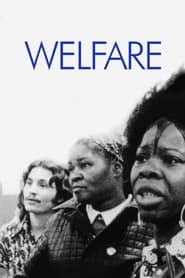
star 6.6Robert J. Flaherty’s follow-up to Nanook of the North shifts from the Arctic to the South Seas, portraying Samoan village life with a painterly eye. Blending ethnographic detail with a romanticized “Gauguin idyll,” the film celebrates daily rituals, communal traditions, and the passage into adulthood, suffused with what Flaherty called “pride of beauty, pride of strength.”Welfare
1975
Welfare
1975
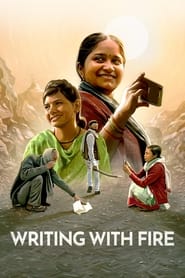
star 7.2WELFARE shows the nature and complexity of the welfare system in sequences illustrating the staggering diversity of problems that constitute welfare: housing, unemployment, divorce, medical and psychiatric problems, abandoned and abused children, and the elderly. These issues are presented in a context where welfare workers as well as clients struggle to cope with and interpret the laws and regulations that govern their work and life.Writing with Fire
2021
Writing with Fire
2021
star 7.3In a cluttered news landscape dominated by men, emerges India’s only newspaper run by Dalit women. Armed with smartphones, Chief Reporter Meera and her journalists break traditions on the frontlines of India’s biggest issues and within the confines of their own homes, redefining what it means to be powerful.