Top Rated Documentary Movies on Kanopy - Page 44
All Services
Free Services
 Netflix
 Amazon Prime Video
 Apple iTunes
 Apple TV Plus
 Disney Plus
 Google Play Movies
 Paramount Plus
 Hulu
Hulu
 HBO Max
 YouTube
 fuboTV
 Peacock
 Peacock Premium
 Amazon Video
 The Roku Channel
 AMC+
AMC on Demand
AMC+
AMC on Demand
 Kocowa
 Hoopla
 The CW
 Vudu
Vudu
 Starz
Starz
 Showtime
 PBS
PBS
 Pantaflix
 FXNow
FXNow
 Tubi TV
 Kanopy
 Comedy Central
 Crunchyroll
 Microsoft Store
 Redbox
 Sun Nxt
 ABC
ABC
 DIRECTV
 Crackle
 Fandor
 Plex
Plex
Netflix
Amazon Prime Video
Apple iTunes
Apple TV Plus
Disney Plus
Google Play Movies
Paramount Plus
Hulu
HBO Max
YouTube
fuboTV
Peacock
Peacock Premium
Amazon Video
The Roku Channel
AMC+
AMC on Demand
Kocowa
Hoopla
The CW
Vudu
Starz
Showtime
PBS
Pantaflix
FXNow
Tubi TV
Kanopy
Comedy Central
Crunchyroll
Microsoft Store
Redbox
Sun Nxt
ABC
DIRECTV
Crackle
Fandor
Plex

Beautiful Darling
2010
Beautiful Darling
2010
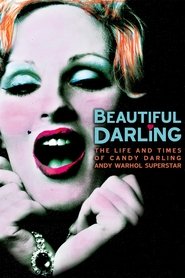
star 5.7James Rasin's documentary “Beautiful Darling” honors American Transgender actress and best-known Warhol Superstar, Candy Darling, and her all-too-brief life and career, with a combination of current and vintage interview material, rarely seen archival photos and footage, and extracts from Darling's movies.Bound by Flesh
2012
Bound by Flesh
2012
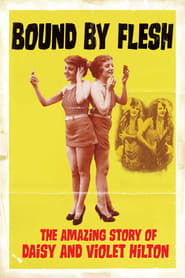
star 5.9Conjoined twins Daisy and Violet Hilton were once the cream of the sideshow crop. Taught to sing and dance at an early age, the winsome duo ascended through the early 20th-century vaudeville circuit as a side attraction (working alongside Bob Hope and Charlie Chaplin as well as a memorable turn in the Tod Browning classic "Freaks") before a cascade of unscrupulous management and harsh mistreatment brought their careers (and lives) tumbling down. This engrossing glimpse into a bygone era is filled with fascinating interviews and rare archival footage.Burt's Buzz
2014
Burt's Buzz
2014
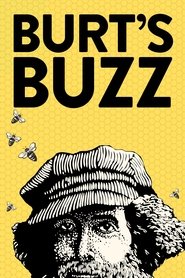
star 6.6BURT'S BUZZ is an in-depth and personal look at the life of Burt Shavitz, known to millions around the world as the "Burt" of the Burt’s Bees natural product brand. The documentary explores what it means to be marketed as an icon, and how that life differs from the one of the man behind the logo.Web Junkie
2014
Web Junkie
2014
star 6.6China is the first country in the world to classify Internet addiction as a clinical disorder. Caught in the Net features a Beijing treatment center where Chinese teenagers are being "deprogrammed," and follows the story of three boys from the day they arrive at the center, to their three-month treatment period, and their long awaited return home. The film provides a microcosm of modern Chinese life and investigates one of the symptoms of the Internet age. It examines inter-generational pressures and the disregard of the human rights of minors who get caught in the net.The Cockettes
2002
The Cockettes
2002
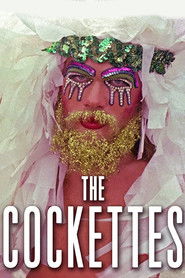
star 6.5Documentary about the gender-bending San Francisco performance group who became a pop culture phenomenon in the early 1970s.War Comes to America
1945
War Comes to America
1945
star 7The seventh and final film of Frank Capra's Why We Fight World War II propaganda film series. This entry attempts to describe the factors leading up to America's entry into the Second World War.Why We Fight: Divide and Conquer
1943
star 6.8The third film of Frank Capra's 'Why We Fight" propaganda film series, dealing with the Nazi conquest of Western Europe in 1940.After Tiller
2013
After Tiller
2013
star 6.5Since the assassination of Dr. George Tiller in Kansas in 2009, only four doctors in the United States continue to perform third-trimester abortions. These physicians, all colleagues of Dr. Tiller, sacrifice their safety and personal lives in the name of their fierce, unwavering conviction to help women.Wrangler: Anatomy of an Icon
2008
star 5.3The outrageous story of 1970s porn icon Jack Wrangler, and how he rose to the top of the gay, and then straight, adult film industry.Eadweard Muybridge, Zoopraxographer
1975
star 7.2Thom Andersen's hour-long documentary adroitly combines biography, history, film theory, and philosophical reflection. Muybridge's photographic studies of animal locomotion in the 1870s were a major forerunner of movies; even more interesting are his subsequent studies of diverse people, photographed against neutral backgrounds.Primate
1974
Primate
1974
star 6.8Primate sees realist documentarian Frederick Wiseman hone his lens on the inmates of the Yerkes Primate Research Centre. A representative scientist explains the aims and outcomes of the organisation, describing the mating habits and relationships of the animals.Arakimentari
2004
Arakimentari
2004
star 6A look at the life and work of Japanese photographer Nobuyoshi Araki and his impact on Japanese culture.In the Mirror of Maya Deren
2002
star 7.4Documentary about the life of avant-garde filmmaker Maya Deren, who led the independent film movement of the 1940s.Great Directors
2009
Great Directors
2009
star 6.1Features conversations with ten of the world's greatest living directors: Bernardo Bertolucci, David Lynch, Liliana Cavani, Stephen Frears, Agnes Varda, Ken Loach, Todd Haynes, Catherine Breillat, Richard Linklater and John Sayles. The film documents Ismailos' voyage of discovering the creative personalities behind the camera.Billy Wilder Speaks
2006
Billy Wilder Speaks
2006
star 6.9In 1988, German filmmaker Volker Schlöndorff sat down with legendary director Billy Wilder (1906-2002) at his office in Beverly Hills, California, and turned on his camera for a series of filmed interviews. (A recut of the 1992 TV miniseries Billy, How Did You Do It?)Brooklyn Bridge
1981
Brooklyn Bridge
1981
star 7.6Today it's a symbol of strength and vitality. 135 years ago, it was a source of controversy. This documentary examines the great problems and ingenious solutions that marked the construction of the Brooklyn Bridge. From conception to construction, it traces the bridge's transformation from a spectacular feat of heroic engineering to an honored symbol in American culture.Consuming Kids: The Commercialization of Childhood
2007
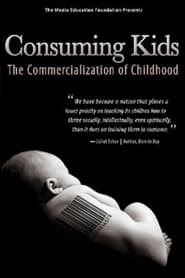
star 7.4Consuming Kids throws desperately needed light on the practices of a relentless multi-billion dollar marketing machine that now sells kids and their parents everything from junk food and violent video games to bogus educational products and the family car. Drawing on the insights of health care professionals, children's advocates, and industry insiders, the film focuses on the explosive growth of child marketing in the wake of deregulation, showing how youth marketers have used the latest advances in psychology, anthropology, and neuroscience to transform American children into one of the most powerful and profitable consumer demographics in the world. Consuming Kids pushes back against the wholesale commercialization of childhood, raising urgent questions about the ethics of children's marketing and its impact on the health and well-being of kids.Prom Night in Mississippi
2009
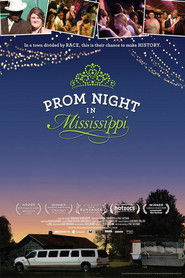
star 6.6A high school in a small-town in Mississippi prepares for its first integrated senior prom.!W.A.R.: !Women Art Revolution
2010
star 4.3Through intimate interviews, provocative art, and rare, historical film and video footage, this feature documentary reveals how art addressing political consequences of discrimination and violence, the Feminist Art Revolution radically transformed the art and culture of our times.New York Doll
2005
New York Doll
2005
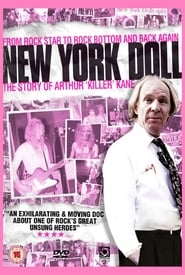
star 6.8A recovering alcoholic and recently converted Mormon, Arthur "Killer" Kane, of the rock band The New York Dolls, is given a chance at reuniting with his band after 30 years.