Top Rated Documentary Movies on Kanopy - Page 60
All Services
Free Services
 Netflix
 Amazon Prime Video
 Apple iTunes
 Apple TV Plus
 Disney Plus
 Google Play Movies
 Paramount Plus
 Hulu
Hulu
 HBO Max
 YouTube
 fuboTV
 Peacock
 Peacock Premium
 Amazon Video
 The Roku Channel
 AMC+
AMC on Demand
AMC+
AMC on Demand
 Kocowa
 Hoopla
 The CW
 Vudu
Vudu
 Starz
Starz
 Showtime
 PBS
PBS
 Pantaflix
 FXNow
FXNow
 Tubi TV
 Kanopy
 Comedy Central
 Crunchyroll
 Microsoft Store
 Redbox
 Sun Nxt
 ABC
ABC
 DIRECTV
 Crackle
 Fandor
 Plex
Plex
Netflix
Amazon Prime Video
Apple iTunes
Apple TV Plus
Disney Plus
Google Play Movies
Paramount Plus
Hulu
HBO Max
YouTube
fuboTV
Peacock
Peacock Premium
Amazon Video
The Roku Channel
AMC+
AMC on Demand
Kocowa
Hoopla
The CW
Vudu
Starz
Showtime
PBS
Pantaflix
FXNow
Tubi TV
Kanopy
Comedy Central
Crunchyroll
Microsoft Store
Redbox
Sun Nxt
ABC
DIRECTV
Crackle
Fandor
Plex

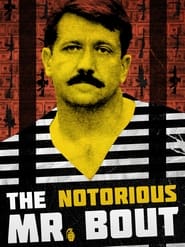
The Notorious Mr. Bout
2014
star 5.5Viktor Bout was a war profiteer, an entrepreneur, an aviation tycoon, an arms dealer, and—strangest of all—a documentary filmmaker. The Notorious Mr. Bout is the ultimate rags-to-riches-to-prison memoir, documented by the last man you'd expect to be holding the camera.Buying Sex
2013
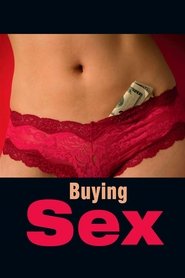
Buying Sex
2013
star 6.4Timely and wise, this feature documentary explores the state of prostitution laws in Canada. Buying Sex captures the complexity of the issue by listening to the frequently conflicting voices of sex workers, policy-makers, lawyers and even the male buyers who make their claim for why prostitution is good for society. Examining the realities in Sweden and New Zealand, and respecting the differences of ideology as Canada works its way toward an uneasy consensus, the film challenges us to think for ourselves and offers a gripping and invaluable account of just what is at stake for all of us.What Now? Remind Me
2014
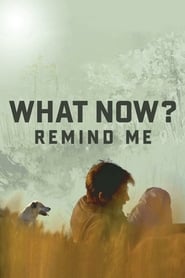
What Now? Remind Me
2014
star 5.4Joaquim Pinto has been living with HIV and VHC for almost twenty years. “What now? Remind Me” is the notebook of a year of clinical studies with toxic, mind altering drugs as yet unapproved. An open and eclectic reflection on time and memory, on epidemics and globalization, on survival beyond all expectations, on dissent and absolute love. In a to-and-fro between present and past memories, the film is also a tribute to friends departed and those who remain.When Jews Were Funny
2013
When Jews Were Funny
2013
star 6.5From the 1930's to the 1970's, pretty well every comedian or comic you might see on TV or the movies was Jewish. Jews came to dominate the world of western‐society comedy on radio, stage and screen alike.Why did Jews dominate comedy in this period? And why did that domination end? Were Jews just funnier back then? And if so, did that extend to your average Jew on the street? In this 90 minute documentary acclaimed director Alan Zweig will examine these questions and many others in this exploration of 20th century humour, cultural decay, and a search for a missing heritage.Color Adjustment
1992
Color Adjustment
1992
star 6.9From Amos 'n' Andy to Nat King Cole, from Roots to The Cosby Show, black people have played many roles on primetime television. Brilliantly weaving clips from classic TV shows with commentary from TV producers, black actors and scholars, Marlon Riggs blends humor, insight, and thoughtful analysis to explore the evolution of black/white relations as reflected by America's favorite addiction.Nat Turner: A Troublesome Property
2003
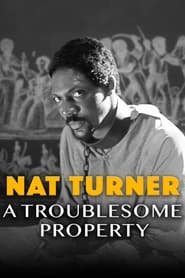
star 6.1In 1831, Nat Turner led a slave rebellion in the United States that resulted in the murder of local slave owners and their families, the eventual execution of 55 rebels and the retribution lynching of more than 200 innocent slaves. Nat Turner: A Troublesome Property examines how the story of Turner’s revolt has been interpreted throughout history and how it continues to raise new questions about the nature of terrorism and other forms of violent resistance to oppression. The film adopts an innovative structure by interspersing documentary footage and interviews with dramatizations of these different versions of Turner’s story. A unique collaboration between MacArthur Genius Award feature director Charles Burnett, acclaimed historian of slavery Kenneth S. Greenberg and Academy Award-nominated documentary producer Frank Christopher, Nat Turner is a compelling look at one of history’s most mysterious figures.Smash and Grab: The Story of the Pink Panthers
2013
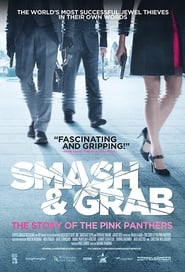
star 5.6The Pink Panthers have stolen over £270m in diamonds in more than 241 robberies in cities from Paris to Tokyo. The film explores the rise of the group during the 1990s Balkan conflict when economic sanctions imposed on Serbia fueled illegal activities. The criminals reveal an underworld driven by fast wealth and paranoia, while the detectives and inspectors, who are working with Interpol, are on a mission to stop their crime spree with growing success.The Brickmakers
1972
The Brickmakers
1972
star 6.4This film documents the life of a family of brick makers in the outskirts of Bogotá, using the personal experience of the Castañeda family to expose the exploitation of manual laborers. Marta Rodríguez and Jorge Silva worked on this documentary from 1966 to 1972, establishing a relationship with the family which allows the viewer an intimate look at their hardships.The French
1982
The French
1982
star 7.1Roland-Garros, 1981: For the very first time, a documentary team is allowed to shoot sequences in the backstage of the French Open of tennis of Roland-Garros. William Klein's camera takes us on the heels of the greatest players of the time: Björn Borg, Jimmy Connors, Ivan Lendl, Chris Evert-Lloyd, John McEnroe, Martina Navratilova, Yannick Noah, Guillermo Vilas... Miles of film. Historical pictures, a thousand and one details, a thousand and one unusual scenes. A declaration of love from a tennis lover.Brave Miss World
2013
Brave Miss World
2013
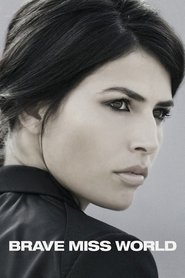
star 5.5Linor Abargil, an Israeli beauty queen, was raped two months before being crowned Miss World in 1998. Ten years later, she’s ready to talk about it – and to encourage others to speak out.Surname Viêt Given Name Nam
1989
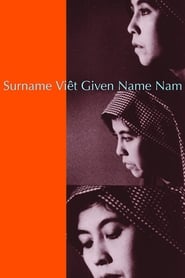
star 5.2The film evolves around questions of identity, popular memory and culture. While focusing on aspects of Vietnamese reality as seen through the lives and history of women resistance in Vietnam and in the U.S, it raises questions on the politics of interviewing and documenting.Blind
1986
Blind
1986
star 6.7BLIND shows the educational programs and daily life of students in kindergarten through the 12th grade at the Alabama School for the Blind. The School is organized around the effort to educate blind and visually impaired students to be in charge of their own lives. Sequences in the film include mobility training, braille instruction and orientation as well as traditional classroom subjects such as English, history, science and music. Other sequences show psychological counseling sessions; vocational training; staff dealing with student disciplinary problems; and the wide variety of recreational and athletic programs.The Death of Pinochet
2011
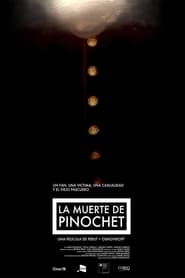
star 4.8On December 10th, 2006, General Pinochet dies unexpectedly at Santiago's Military Hospital. His decease triggers a 24 hours revival of political divisions that marked with violence and death Chilean recent history. With high quality original footage and testimonies of four characters that deeply experienced a journey of strong contrasts and surrealistic nuances, the film narrates in an innovative, exciting way the ending of a key chapter in Chilean history.Route One/USA
1989
Route One/USA
1989
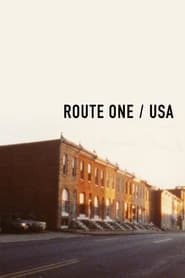
star 7.3Route One is the first major U.S. highway. 5000 km along the Atlantic coast, from the Canadian border to the tip of Florida. Doc, a physician who spent many years in Africa, returns to the U.S. and decides to reconnect with his home country by walking the legendary Route One.Ornette: Made in America
1986
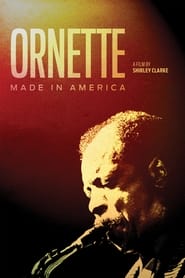
star 6.3Shirley Clarke's frenetic documentary about multi-talented musician Ornette Coleman.Chely Wright: Wish Me Away
2012
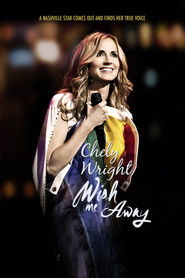
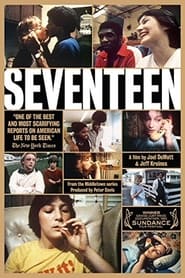
star 4.5After a lifetime of hiding, Chely Wright becomes the first commercial country music singer to come out as gay, shattering cultural stereotypes within Nashville, per conservative heartland family and, most importantly, within herself. With unprecedented access over a two-year period, including her private video diaries, the film layers Chely's rise to fame while hiding in the late 90's with the execution of her coming out plan, culminating in the exciting moment when she steps into the media glare to reveal she is gay. The film shows both the devastation of internalized homophobia and the transformational power of living an authentic life. The film also documents the conflicting responses from Nashville, the heartland and the LGBT community as Chely Wright prepares for an unknown future.Seventeen
1983
Seventeen
1983
star 6In their final year at Muncie's Southside High School, a group of seniors hurtles toward maturity with a combination of joy, despair, and an aggravated sense of urgency. They are also learning a great deal about life, both in and out of school, and not what school officials think they are teaching.The Island President
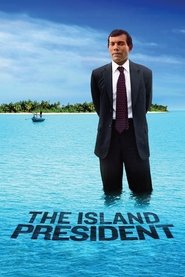
2012
The Island President
2012
star 6.1Follows the globe-trotting journey of President Mohamed Nasheed of the Maldives, the lowest-lying country in the world, who, after bringing democracy to his country, takes up the fight to keep it from disappearing under the sea.Forest of Bliss
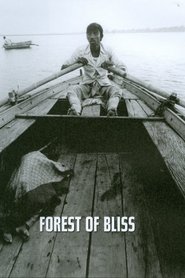
1986
Forest of Bliss
1986
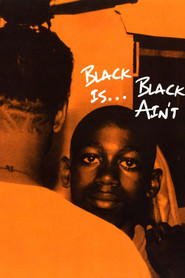
star 6.5Forest of Bliss is an unsparing yet redemptive account of the inevitable griefs, religious passions and frequent happinesses that punctuate daily life in Benares, India's most holy city. The film unfolds from one sunrise to the next without commentary, subtitles or dialogue. It is an attempt to give the viewer a wholly authentic, though greatly magnified and concentrated, sense of participation in the experiences examined by the film.Black Is… Black Ain’t
1995
star 5.6African-American documentary filmmaker Marlon Riggs was working on this final film as he died from AIDS-related complications in 1994; he addresses the camera from his hospital bed in several scenes. The film directly addresses sexism and homophobia within the black community, with snippets of misogynistic and anti-gay slurs from popular hip-hop songs juxtaposed with interviews with African-American intellectuals and political theorists, including Cornel West, bell hooks and Angela Davis.