Top Rated Documentary Movies on Kanopy - Page 70
All Services
Free Services
 Netflix
 Amazon Prime Video
 Apple iTunes
 Apple TV Plus
 Disney Plus
 Google Play Movies
 Paramount Plus
 Hulu
Hulu
 HBO Max
 YouTube
 fuboTV
 Peacock
 Peacock Premium
 Amazon Video
 The Roku Channel
 AMC+
AMC on Demand
AMC+
AMC on Demand
 Kocowa
 Hoopla
 The CW
 Vudu
Vudu
 Starz
Starz
 Showtime
 PBS
PBS
 Pantaflix
 FXNow
FXNow
 Tubi TV
 Kanopy
 Comedy Central
 Crunchyroll
 Microsoft Store
 Redbox
 Sun Nxt
 ABC
ABC
 DIRECTV
 Crackle
 Fandor
 Plex
Plex
Netflix
Amazon Prime Video
Apple iTunes
Apple TV Plus
Disney Plus
Google Play Movies
Paramount Plus
Hulu
HBO Max
YouTube
fuboTV
Peacock
Peacock Premium
Amazon Video
The Roku Channel
AMC+
AMC on Demand
Kocowa
Hoopla
The CW
Vudu
Starz
Showtime
PBS
Pantaflix
FXNow
Tubi TV
Kanopy
Comedy Central
Crunchyroll
Microsoft Store
Redbox
Sun Nxt
ABC
DIRECTV
Crackle
Fandor
Plex

In No Great Hurry: 13 Lessons in Life with Saul Leiter
2014
star 7Saul Leiter could have been lauded as the great the pioneer of color photography, but was never driven by the lure of success. Instead he preferred to drink coffee and photograph in his own way, amassing an archive of beautiful work that is now piled high in his New York apartment. An intimate and personal film, In No Great Hurry follows Saul as he deals with the triple burden of clearing an apartment full of memories, becoming world famous in his 80s and fending off a pesky filmmaker.Dark Legacy
2009
Dark Legacy
2009
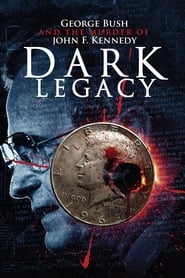
star 5.6The death of John Kennedy is viewed through another angle in this conspiracy-themed film defending the theory that George Herbert Walker Bush was a key player in all aspects of the assassination of American president John F. Kennedy.Tales from the Organ Trade
2013
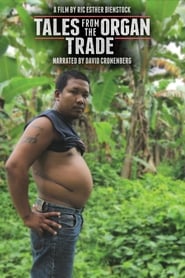
star 6.4A look into the underground world of trafficking human body parts.TRANS
2012
TRANS
2012
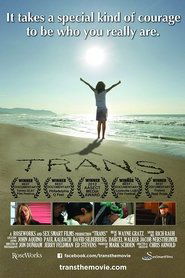
star 5An up-close and very personal journey into the transgender world through the memorable stories and the unusual lives of a remarkable cast of characters.K2: Siren of the Himalayas
2012
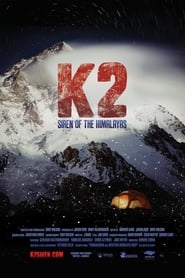
star 6.6Following a group of climbers attempting to climb K2 in 2009, on the 100-year anniversary of its landmark 1909 expedition. Experience the adventure, peril and serenity of a group's attempt to climb the most challenging peak on earth.Stations of the Elevated
1981
star 7.4Stations of the Elevated exposes viewers to an underground art scene- that is, one found exclusively on the sides of subways and train cars. A moving portrait of late-70's NYC, the film boasts a soundtrack by jazz legends Charles Mingus & Aretha Franklin.The Moo Man
2013
The Moo Man
2013
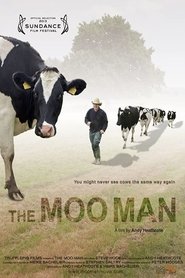
star 6.9Modern British dairy farms must get bigger and bigger or go under but Farmer Stephen Hook decides to buck the trend. Instead he chooses to have a great relationship with his small herd of cows and ignore the big supermarkets and dairies. The result is a laugh-out-loud emotional roller-coaster of a film, a heart warming tearjerker about the incredible bonds between man, animal and countryside in a fast disappearing England.Greenwich Village: Music That Defined a Generation
2013
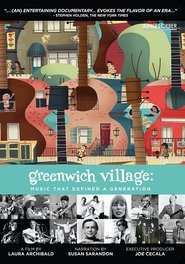
star 7Explores the music scene in Greenwich Village, New York in the '60s and early '70s. The film highlights some of the finest singer/songwriters of the day.In Search of Dracula
1975
In Search of Dracula
1975
star 7.3A documentary exploring the legends of vampires, using books, paintings and early films on the subject.No Logo
2003
No Logo
2003
star 6.3There's a bad mood rising against the corporate brands. No Logo is the warning on the label. In the last decade, No Logo has become a cultural manifesto for the critics of unfettered capitalism worldwide. As the world faces a second economic depression, No Logo's analysis of our corporate and branded world is as timely and powerful as ever. Equal parts cultural analysis, political manifesto, mall-rat memoir, and journalistic exposé, No Logo is the first book to put the new resistance into pop-historical and clear economic perspective. It tells a story of rebellion and self-determination in the face of our new branded world.The Darkness of Day
2009
The Darkness of Day
2009
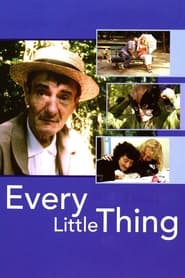
star 6.7The Darkness of Day is a haunting meditation on suicide. It is comprised entirely of found 16mm footage that had been discarded. The sadness, the isolation, and the desire to escape are recorded on film in various contexts. Voice-over readings from the journal kept by a brother of the filmmaker’s friend who committed suicide in 1990 intermix with a range of compelling stories, from the poignant double suicide of an elderly American couple to a Japanese teenager who jumped into a volcano, spawning over a thousand imitations. While this is a serious exploration of a cultural taboo, its lyrical qualities invite the viewer to approach the subject with understanding and compassion.Every Little Thing
1997
Every Little Thing
1997
star 6.1In the summer of 1995, as every year, the patients and staff of "La Borde" psychiatric clinic rehearse their summer play for a performance on August 15th. The film records the ups and downs of the venture as rehearsals go by. Yet, it also delicately captures the day-to-day existence, the seemingly insignificant details, the loneliness and the fatigue but also the collective joy and the close attention that all these people pay to each other.United in Anger: A History of ACT UP
2012
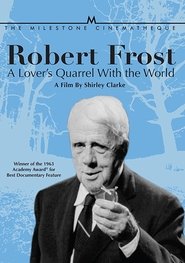
star 6.9United in Anger: A History of ACT UP is an inspiring documentary about the birth and life of the AIDS activist movement from the perspective of the people in the trenches fighting the epidemic. Utilizing oral histories of members of ACT UP, as well as rare archival footage, the film depicts the efforts of ACT UP as it battles corporate greed, social indifference, and government negligence.Robert Frost: A Lover's Quarrel with the World
1963
star 6.2The acclaimed poet is examined in this film completed just prior to his death at age 88, with his speaking engagements at Amherst and Sarah Lawrence Colleges intercut with studies of his work, as well as with scenes of his life in rural Vermont and personal reminiscences about his career. He is also seen receiving an award from President Kennedy and touring an aircraft carrier. Preserved by the Academy Film Archive in partnership with UCLA Film & Television Archive in 2006.The Unconquered
1954
The Unconquered
1954
star 7.3Narrated by actress Katharine Cornell and filmed in black and white, it spends the first 24 minutes introducing viewers, through newsreels, interviews, and old photographs, to the story of the deaf and blind disabled-rights pioneer. News footage shows her international appearances and visits with heads of state, including President Eisenhower allowing her to feel his face. The second half takes a day-in-the-(exceptional)-life approach to Keller's existence circa 1955. Made just 13 years before her death, Keller's famed tutor-translator-friend Anne Sullivan had already died, leaving her live-in replacement, Polly Thomson, to share the film's focus. From the time Keller takes her morning walk along the 1,000-foot handrail around her yard through her workday to her nightly reading of her Braille Bible, her serene acceptance of her life will amaze and inspire. Preserved by the Academy Film Archive in 2006.Domestic Violence
2001
Domestic Violence
2001
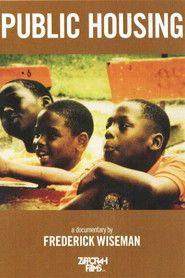
star 6.4DOMESTIC VIOLENCE shows the Tampa, Florida police responding to domestic violence calls and the work of The Spring, the principal shelter in Tampa for women and children. Sequences with the police include police response, intervention, and attempted resolution of domestic violence calls. Sequences at the shelter include intake interviews, individual counseling sessions, anger management training, group therapy, staff meetings, conversations among clients and between clients and staff, and school activities, therapy, and counseling for children at the shelter.Public Housing
1997
Public Housing
1997
star 7.3Public Housing is Wiseman’s unflinching portrayal of life at the Ida B. Wells housing project in Chicago, a raw exposition of the daily conflicts between residents and the bureaucratic machinery to which they are continually subjected. With intimate detail and an abiding dedication to his subject, Wiseman unearths the hidden facets of institutions to find humanity and sites of unexpected beauty.Multi-Handicapped
1986
Multi-Handicapped
1986
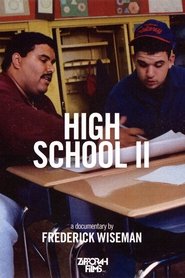
star 6.4This film shows the day to day activities of multi-handicapped and sensory impaired students and their teachers, dormitory parents, and counselors at the Helen Keller School. The primary mission of the school is to meet the total and living needs of deaf and/or blind children, some of whom also have other disabilities. The film presents situations involving personal hygiene, mobility training, concepts of time and money, self help and independent living, dormitory life, recreation, sports, vocational training, and psychological counseling.High School II
1994
High School II
1994
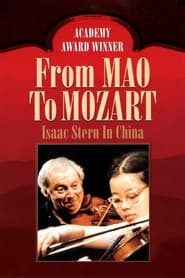
star 6.3HIGH SCHOOL II is a film about Central Park East Secondary School (CPESS), a successful alternative high school in New York's Spanish Harlem, 85-95% of whose graduates go on to four year colleges. The film illustrates the school's emphasis on the “Habits of Mind” program (weighing evidence; awareness of multiple points of view; seeing connections and relationships; speculating on possibilities; and assessing values.) Sequences illustrating the school's approach to learning include: classroom activities in the humanities and sciences; family conferences; discussions of race, class, and gender; faculty meetings; disciplinary problems; sex education; conflict resolution by students; and student council meetings.From Mao to Mozart: Isaac Stern in China
1981
star 5.7A beautiful expression of two differing cultures brought together by the warmth and dedication of a great musician and humanitarian. In 1979, as China re-opened its doors to the West, virtuoso Isaac Stern received an unprecedented government invitation to tour the country.