Taking a look into the minds and lives of Medeski Martin & Wood, drummer/percussionist, Billy Martin, directed the first feature film in the band's history titled, Fly in a Bottle. Working through a yearlong period of personal 16mm film and HD camcorder footage of MMW on the road and in the studio during the Radiolarians recordings, the film provides an extremely intimate portrait of the band. It highlights the trio's intricate relationships with each other and with the music they have worked to create over 20 years as a band.
Latin boogaloo is New York City. It is a product of the melting pot, a colorful expression of 1960s Latino soul, straight from the streets of El Barrio, the South Bronx and Brooklyn. Starring Latin boogaloo legends like Joe Bataan, Johnny Colon and Pete Rodriguez, We Like It Like That explores this lesser-known, but pivotal moment in Latin music history, through original interviews, music recordings, live performances, dancing and rare archival footage and images. From its origins to its recent resurgence in popularity, We Like It Like That tells the story of a sound that redefined a generation and was too funky to keep down.
Robert Mugge's 1986 film provides a full-blooded portrait of the Latino singer, actor, bandleader, and composer. Blades' Panama homeland, his Harvard Master's degree, and a New York performance with his band Seis de Solar all serve as stops on this biographical journey.
Through interviews, archival footage, photos and classic tunes, learn about the remarkable career and troubled life of legendary jazz cornetist Bix Beiderbecke, who influenced countless musicians before alcoholism lead to his premature death. Close friends and associates such as Hoagy Carmichael, Charlie David and Louis Armstrong share their memories of Bix's abilities, playing style and personality.
Learn what happened backstage during the creation of "Hair," the seminal 1960s musical that defined the hippie era, with this documentary featuring in-depth interviews with the original producers and cast members, including Tim Curry and Ben Vereen. "Hair" tried to explain peace, love, drugs, sex and war; in the process it became a cornerstone of the counterculture movement and has lasting relevance decades later with the Iraq War.
Celebrating the 20th anniversary of country rockers Blue Rodeo, this collection includes a documentary about the band, a reunion concert with the five original members, new songs "Rena" and "Up on That Cloud," and historic performance clips. Songs include "Dark Angel," "Bad Timing," "Bulletproof," "Crying Over You," "House of Dreams," "Lost Together," "Heart Like Mine," "Walk Like You Don't Mind," "Moon and Tree" and more.
Milan, a former Serbian rock star, takes us on a bumpy ride as he rides all over NYC picking up a motley crew of passengers to scramble money for his recording. When his bass player quits, he has to sift through New York musicians until he finds a promising replacement - and a romantic spark in a free-spirited female bassist. Just as the rehearsals start picking up steam, Milan's longtime Serbian girlfriend arrives with very different plans for their future.
For the 'Are'are people of the Solomon Islands, the most valued music is that of the four types of panpipe ensembles. With the exception of slit drums, all musical instruments are made of bamboo; therefore the general word for instruments and the music performed with them is "bamboo" ('au). This film shows the making of panpipes, from the cutting the bamboo in the forest to the making of the final bindings. The most important part of the work consists in shaping each tube to its necessary length. Most 'Are'are panpipe makers measure the length of old instruments before they shape new tubes. Master musician 'Irisipau, surprisingly, takes the measure using his body, and adjusts the final tuning by ear. For the first time we can see here how the instruments and their artificial equiheptatonic scale-seven equidistant degrees in an octave-are practically tuned.
The 1920s saw a revolution in technology, the advent of the recording industry, that created the first class of African-American women to sing their way to fame and fortune. Blues divas such as Bessie Smith, Ma Rainey, and Alberta Hunter created and promoted a working-class vision of blues life that provided an alternative to the Victorian gentility of middle-class manners. In their lives and music, blues women presented themselves as strong, independent women who lived hard lives and were unapologetic about their unconventional choices in clothes, recreational activities, and bed partners. Blues singers disseminated a Black feminism that celebrated emotional resilience and sexual pleasure, no matter the source.
After a childhood of playing cantinas and honky tonks from Texas to Tennessee, this band of brothers 'Los Lonely Boys' from San Angelo Texas rocked their way to the top of the American music industry, determined to fulfill their father's long held dream.
Jim decides to leave his tribal area to seek his fortune in Johannesburg. As soon as he arrives, three gangsters mug him. When he regains consciousness, a friendly night watchman takes care of him. With the watchman's help, Jim gets a job in a nightclub as a waiter.
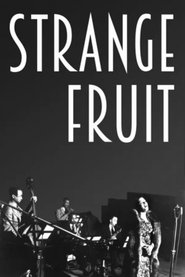
In 1937, after seeing a photo depicting the lynching of a black man in the south, Bronx-born high school teacher Abel Meeropol wrote a poem entitled "Strange Fruit" that begins with the words: "Southern trees bear a strange fruit / Blood on the leaves and blood at the root." He set the poem to music and a few years later convinced Billy holiday to record it in a legendary heartbreaking performance. Intertwining jazz genealogy, biography, performance footage, and the history of lynching, director Joel Katz fashions a fascinating discovery of the lost story behind a true American classic. Written by Excerpted from Coolidge Corner Theatre Program Update
Everyone has ideas. But what where do they come from? And what ensures they keep coming? How do you sort the genius ideas from the useless ones? Why invest all this hope and energy into making things in the first place? From Nothing, Something profiles creative thinkers across a variety of disciplines and finds common methods, habits, mindsets and neuroses that help bring breakthrough ideas into being. This is a thoughtful, intimate, often funny look at the creative process—straight from the brains of some of our culture's most accomplished and inspiring talents.