Top Rated War Movies on Kanopy - Page 20
All Services
Free Services
 Netflix
 Amazon Prime Video
 Apple iTunes
 Apple TV Plus
 Disney Plus
 Google Play Movies
 Paramount Plus
 Hulu
Hulu
 HBO Max
 YouTube
 fuboTV
 Peacock
 Peacock Premium
 Amazon Video
 The Roku Channel
 AMC+
AMC on Demand
AMC+
AMC on Demand
 Kocowa
 Hoopla
 The CW
 Vudu
Vudu
 Starz
Starz
 Showtime
 PBS
PBS
 Pantaflix
 FXNow
FXNow
 Tubi TV
 Kanopy
 Comedy Central
 Crunchyroll
 Microsoft Store
 Redbox
 Sun Nxt
 ABC
ABC
 DIRECTV
 Crackle
 Fandor
 Plex
Plex
Netflix
Amazon Prime Video
Apple iTunes
Apple TV Plus
Disney Plus
Google Play Movies
Paramount Plus
Hulu
HBO Max
YouTube
fuboTV
Peacock
Peacock Premium
Amazon Video
The Roku Channel
AMC+
AMC on Demand
Kocowa
Hoopla
The CW
Vudu
Starz
Showtime
PBS
Pantaflix
FXNow
Tubi TV
Kanopy
Comedy Central
Crunchyroll
Microsoft Store
Redbox
Sun Nxt
ABC
DIRECTV
Crackle
Fandor
Plex

The Dunera Boys
1985
The Dunera Boys
1985
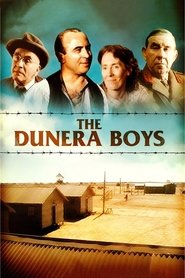
star 6At the start of WWII the British Government decided to arrest all Germans in the UK no matter how long they had been there. Among those arrested were many Jewish refugees and many who were fully assimilated. This film records the story of a group who were sent to a POW camp in Australia aboard the Dunera.Star-Crossed Lovers
1962
Star-Crossed Lovers
1962
star 8.2Magdalena and Michael have loved each other since they were children. But when the Nazis come to power, Michael rebels against the regime and is sentenced to fifteen years in a concentration camp. Magdalena, meanwhile, goes underground with the help of a friend and later immigrates to the Soviet Union. Michael, who has joined the Red Army, discovers on the way to Moscow that Magdalena is staying there. But when his plane lands, she is already on her way back to Germany. Michael hopes that one day, he and Magdalena will be reunited.The War Photographers
2013
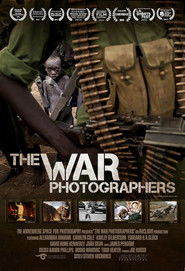
star 9'The War Photographers' recounts the personal experiences of award-winning photojournalists who risk their lives covering conflict in the world's most dangerous war zones. Intimate interviews and gripping imagery reveal stories of sacrifice, courage and the emotional toll endured by photographers and their subjects. Stories include New York Times photographer Joao Silva revisiting sites in his native South Africa, recalling the violence that led to that country's first democratic elections in 1994. Ashley Gilbertson travels to Midland, Texas, for the final shoot of his project documenting the bedrooms of young soldiers who never returned home from war. Other photographers shares their firsthand experiences covering conflict in Vietnam, Iraq, Afghanistan, Somalia, Sudan and the Middle East.Memory of the Camps
1985
Memory of the Camps
1985
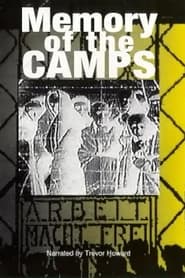
star 2In 1945, Allied troops invaded Germany and liberated Nazi death camps. They found unspeakable horrors which still haunt the world’s conscience. A film was made by British and American film crews who were with the troops liberating the camps. It was directed in part by Alfred Hitchcock and was broadcast for the first time in its entirety on PBS FRONTLINE in 1985.Canine Soldiers: The Militarization of Love
2016
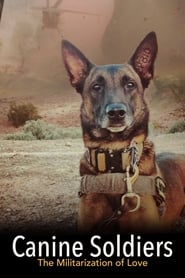
star 8A documentary exploring the experience of going to war with a Military Working Dog, trained to find bombs before they can kill or maim soldiers, often at the expense of the dog's sanity.Custer's Last Stand
2012
Custer's Last Stand
2012
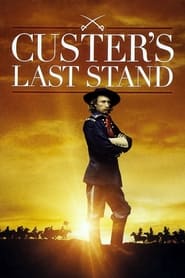
star 7Follow General George Armstrong Custer from his memorable, wild charge at Gettysburg to his lonely, untimely death on the windswept Plains of the West. On June 26, 1876, Custer, a reputation for fearless and often reckless courage ordered his soldiers to drive back a large army of Lakota and Cheyenne warriors. By day's end, Custer and nearly a third of his army were dead.The Forgotten Force
1994
The Forgotten Force
1994
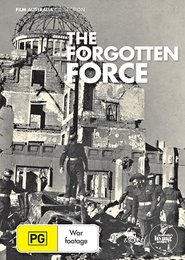
star 6After the atomic obliteration of Hiroshima and Nagasaki, over 36,000 Australian men and women, part of the British Commonwealth Occupation Force (BCOF), marched onto Japanese soil. They were assigned the toughest and most dangerous area of Japan: Hiroshima Prefecture, which included the atom-bombed city. The Forgotten Force tells for the first time the story of Australia's role in Japan. Rare archival and private footage, photographs and eyewitness accounts from both sides vividly recreate the atmosphere of post-war Japan - the horror of Hiroshima and its aftermath; the struggle to build a new "democratic" society while under the heel of military rule; the growth from suspicion and fear to friendship and trust between foes.D-Day: The Price Of Freedom
2006
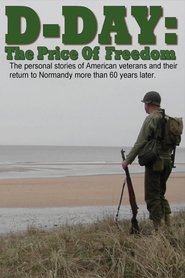
star 6D-Day, June 6, 1944, was a turning point in the history of the world and thousands of young Americans played an important role that day. Travel with several of these men as they return to the beaches of Normandy to tell their stories of survival.Hiroshima Nagasaki August, 1945
1970
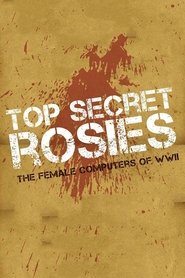
star 6This documentary is a compilation of silent black-and-white film footage shot by the Japanese in Hiroshima and Nagasaki shortly after the atomic bomb blasts in early August 1945. English-language voice-over narration has been added, along with a few scenes from American sources. The film shows the destruction and injury caused by the atomic bombs in graphic detail.Top Secret Rosies: The Female 'Computers' of WWII
2010
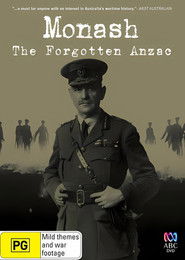
star 8In 1942, when computers were human and women were underestimated, a group of female mathematicians helped win a war and usher in the modern computer age. Sixty-five years later their story has finally been told.Monash: The Forgotten Anzac
2008
star 6The story of how Australia's 'ANZAC myth' was born and the role of General John Monash in this process as soldier and statesman both during and after WW1.Augustus: The First Emperor
2003
Old and ill, Augustus, the man who changed the fortunes and destiny of an empire by completing Julius Caesar's project, recounts the two most important phases of his life: his rise to power and his fight against the pressure of his family.World War II: The Fall of France
2001
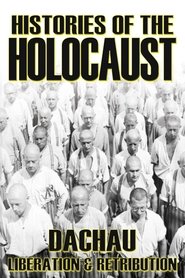
Hitler attacks west invading Belgium and Holland, Operation Dynamo and the attempt to evacuate the British expeditionary force at Dunkirk culminating in the fall of France.Histories Of The Holocaust: Dachau - Liberation And Retribution
2011
The inhuman brutality and bloodshed that was endemic at Dachau - Nazi Germany's first concentration camp - did not come to an end with its 1945 liberation, for this dread place proved capable of triggering a spate of vengeful retaliation not only by its half-crazed prisoners, but their rescuers. Chapels of various faiths, memorials and sculptures now mark the camp's sites of execution and torture.Rommel: The Soldier, the Son, and Hitler
2021
A rare insight into the military career and personal life of Germany's most famous Second World War commander, Field Marshal Erwin Rommel. Told from the perspective of his son Manfred, it tells what happens when a career soldier runs afoul of a dictator. Highly decorated and one of Hitler's favourite commanders in the early years of World War II, the 'Desert Fox' was something of an enigma. Never a member of the Nazi party, Rommel detested the blending of politics and war. He would quickly discover that both were always in play in Hitler's Germany. Greg Kinnear narrates.Into the Current: Burma's Political Prisoners
2012
Into the Current tells the story of Burma's unsung heroes -its prisoners of conscience -and the price they pay for speaking truth to power in a military dictatorship.Nagasaki Journey
1995
Nagasaki Journey
1995
Rashomon-like look at the atomic bombing of Nagasaki on August 10, 1945. Features color footage of the bomb's aftermath shown in public for the first time in over fifty years. The film features extremely rare footage of the atomic bombing, both black-and-white and color.Her War, Her Story: World War II
2022
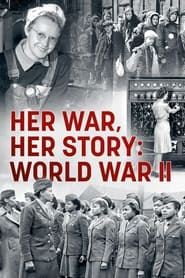
Explore the stories of women caught up in World War II, from the American Home Front to Auschwitz Concentration Camp in Poland. Included in this hour-long film are also the personal stories of the incredible women who served in a war that proved women were equal to men when it came to patriotism, service, or in some cases, self-preservation during watershed moments which called for steadfastness.Jerry's Last Mission
2021
Jerry's Last Mission
2021
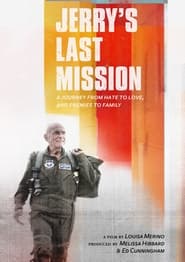
Fighter pilot Jerry Yellin flew the last combat mission of World War II and returned home to a dark life of survivor's guilt and daily thoughts of suicide. Married with four sons, Yellin was forced to face his enemy once again when his youngest son moved to Japan and married the daughter of a Kamikaze pilot.