Top Rated Animation Movies on Pantaflix - Page 496
All Services
Free Services
 Netflix
 Amazon Prime Video
 Apple iTunes
 Apple TV Plus
 Disney Plus
 Google Play Movies
 Paramount Plus
 Hulu
Hulu
 HBO Max
 YouTube
 fuboTV
 Peacock
 Peacock Premium
 Amazon Video
 The Roku Channel
 AMC+
AMC on Demand
AMC+
AMC on Demand
 Kocowa
 Hoopla
 The CW
 Vudu
Vudu
 Starz
Starz
 Showtime
 PBS
PBS
 Pantaflix
 FXNow
FXNow
 Tubi TV
 Kanopy
 Comedy Central
 Crunchyroll
 Microsoft Store
 Redbox
 Sun Nxt
 ABC
ABC
 DIRECTV
 Crackle
 Fandor
 Plex
Plex
Netflix
Amazon Prime Video
Apple iTunes
Apple TV Plus
Disney Plus
Google Play Movies
Paramount Plus
Hulu
HBO Max
YouTube
fuboTV
Peacock
Peacock Premium
Amazon Video
The Roku Channel
AMC+
AMC on Demand
Kocowa
Hoopla
The CW
Vudu
Starz
Showtime
PBS
Pantaflix
FXNow
Tubi TV
Kanopy
Comedy Central
Crunchyroll
Microsoft Store
Redbox
Sun Nxt
ABC
DIRECTV
Crackle
Fandor
Plex

Shearing Animation
1962
Shearing Animation
1962
star 6.8An abstract animated film inspired by the work of jazz musician Chico Hamilton.The Prince of Jewels
1992
The Prince of Jewels
1992
star 7.2Here we have an innocent boy, a pretty princess, a treacherous merchant and a giant eagle who is fond of jewels. The tale is set in the country of the Arabian Nights, under a hail of precious stones...Peacemaker Kurogane: Belief
2018
star 6.1Although traumatized by witnessing the murder of his parents by one of the Choushuu, Ichimura Tetsunosuke's thirst for revenge leads him to desire strength. At the age of 15, Tetsunosuke approached the Shinsengumi, wanting to become one of its members. However, Tetsunosuke lacked the skill, mind, and will to emotionlessly cut down whoever threatened peace and the Shinsengumi. Even with the support of his brother Tatsunosuke and his newfound friends of the Shinsengumi, little did Tetsunosuke know the blood and pain he would have to face being part of this historical group.Son of Jaguar
2017
Son of Jaguar
2017
star 7.1In the most important match of his life, the once mighty masked luchador, Son of Jaguar, faces his legacy, his family, and what it means to be a part of something bigger than himself.Köstebekgiller 2: Gölge'nin Tılsımı
2016
star 2.4Pelin and Caner are the closest friends of the Mole family. Shadow, who was turned into a tree because of the evil deeds he had done in the past, was saved by Uncle Köstan of the Mole family in exchange for his promise to become a good person. However, Shadow broke his promise and stole Queen Sora's dress, which was said to be enchanted, from the auction house where he was working. As soon as he touched the dress, the evil inside it activated the tree charm that Uncle Köstan had previously made. Gölge began to turn back into a tree. He was found in the forest by Şahane Postum, a hunter who was fond of precious stones and furs. Shahane is immediately captivated by Queen Sora's dress and desires to possess it. However, the enchantment from Uncle Köstan, which has transferred into the dress, begins to transform Shahane into a deer as well. The Shadow suggests that they must go to Uncle Köstan to resolve the situation. However, Uncle Köstan has already set off toward Köstebekya.Yugo and Lala 2
2014
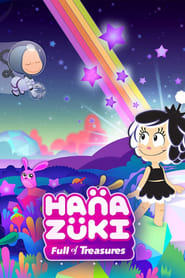
Hanazuki: Full of Treasures
2017
star 8.8Hanazuki tries to get a treasure back from the playful Yellow Hemka and encounters a big monster.The Unconquered
2017
The Unconquered
2017
star 8.1The Institute of National Remembrance, Fish Ladder and Juice present “The Unconquered” – an animated film that shows the fight of Poles for freedom, from the first day of World War II to the fall of communism in 1989.Girlfriend
1989
Umbilical World
2018
Umbilical World
2018
star 7Best known as the cult creator of the animated web series Salad Fingers (SUFF 2007) David Firth creates morbidly fascinating worlds that delve deep into the darkest recesses of the human psyche. It’s fair to say that once you lay eyes on his shorts, it’s hard to shake their visceral effect in a hurry. Eleven years after first screening his work at SUFF, Umbilical World represents a curation of Firth’s most popular shorts to date, each bookended by brand new transitional animations. Using surrealist techniques to explore depression and mental illness with some of the darkest humour this side of the twenty-first century (his work has been featured on Charlie Brooker’s Screenwipe and Mitchell & Webb), Firth has become one of the world’s most significant, independent animators. Umbilical World is a brain-melting celebration of Firth’s short but prized career — a dog-stew of animated fancies from the scabland toybox that is his mind.Take Me Home
2015
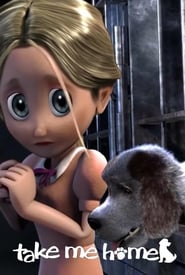
Take Me Home
2015
star 3.4In a cold, dark dog shelter, a young beagle is waiting for the right one to take him home. Time passes by, the beagle is getting desperate. Until one day, when hope finally shine upon him. He has to do everything he can to leave the place!Baja's Studio
2017
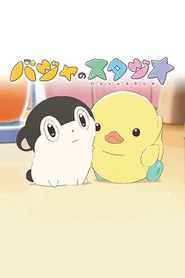
Baja's Studio
2017
star 7Kohata Anime Studio is a place full of dreams where animation is made. Baja was raised in this studio by the people who create animation. Floating in a pond outside are his friends the ducks. One night, when all the people are no longer at the studio, Baja takes a peek outside and finds that his duck friends are being attacked by a cat. Will Baja be able to save his friends? A wondrous night adventure begins.The Other Gods: A Tale of the Dream Cycle
2006
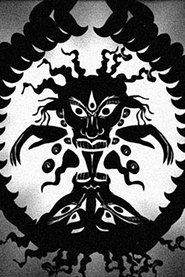
star 6.2A prophet who longed to look upon his deities. A daunting journey to a mountain peak. A confrontation with gods too powerful to name. This is the story that inspired Peter Rhodes, who worked as a filmmaker and artist during the 1920s. Few people know of his work, and it's only through luck and perseverance that we have been able to track down the elements for this "lost" film. Rhodes' films were created using silhouette animation, a technique perfectly suited to depict Lovecraft's mythic Dreamland stories. The filmmaker's involvement in New York City's occult and literary scenes provided him with a select audience for his work. Rhodes was especially influenced through his relationships with occultist Aleister Crowley and writer H.P. Lovecraft, but it was personal tragedy that moved him to produce "The Other Gods: A Tale of the Dream Cycle," his most powerful film.Pingu at the Wedding Party
1997
star 5.6It's excitement all round when a wedding invitation arrives and the Pingu family make their way to the gathering. However things do not go quite as planned with an absentee groom, a new arrival and the havoc wreaked by a damaged gift.Rubato
2015
Rubato
2015
star 5.2A street musician who lives in poverty and loneliness. After an encounter with a stray dog, his life is about to take another turn.Today We Start Our Love
2010
star 6Hibino Tsubaki is a shy, kind, and slightly old-fashioned girl who has always been the top student in her class. She always did everything her parents wanted her to do. She loved to do other girls' hair in trendy and cute styles, despite always wearing plain braids herself. On her first day of high school at the opening ceremony, she is astonished to see that the top student giving the opening speech is not only somebody else, but also the rudest boy she has ever seen. This delinquent turns out to be her new classmate, Kyouta Tsubaki. Kyouta teases Hibino, drawing attention to their similar last names. The two are both top of their class, but are different in every other way. Even though it seems that they cannot stand each other, fate has something else in store for them…Urusei Yatsura: Memorial Album
1986
star 5.2Featured special that uses scenes from the series stored on a personal satellite of the Los Mendo family.Close The Last Door
2007
Close The Last Door
2007
star 3.2After being best man at his best friend's (Saitou Toshihisa) wedding, Nagai Atsushi realizes that he might have fallen for him. Nagai, drowning in his sorrows and hatred for the new bride then meets Honda Kenzou, another guest at the wedding. Honda takes care of Nagai when he was dead drunk and now Nagai can't stop thinking of both Honda and Saitou.Body Jack: Sublime Separation
1987
star 4.4A high schooler fulfills a lifelong fantasy after a high-tech device lets him slip into the body of his childhood crush's best friend.Gogs: Gogwana
1998