Top Rated History Movies on Pantaflix - Page 129
All Services
Free Services
 Netflix
 Amazon Prime Video
 Apple iTunes
 Apple TV Plus
 Disney Plus
 Google Play Movies
 Paramount Plus
 Hulu
Hulu
 HBO Max
 YouTube
 fuboTV
 Peacock
 Peacock Premium
 Amazon Video
 The Roku Channel
 AMC+
AMC on Demand
AMC+
AMC on Demand
 Kocowa
 Hoopla
 The CW
 Vudu
Vudu
 Starz
Starz
 Showtime
 PBS
PBS
 Pantaflix
 FXNow
FXNow
 Tubi TV
 Kanopy
 Comedy Central
 Crunchyroll
 Microsoft Store
 Redbox
 Sun Nxt
 ABC
ABC
 DIRECTV
 Crackle
 Fandor
 Plex
Plex
Netflix
Amazon Prime Video
Apple iTunes
Apple TV Plus
Disney Plus
Google Play Movies
Paramount Plus
Hulu
HBO Max
YouTube
fuboTV
Peacock
Peacock Premium
Amazon Video
The Roku Channel
AMC+
AMC on Demand
Kocowa
Hoopla
The CW
Vudu
Starz
Showtime
PBS
Pantaflix
FXNow
Tubi TV
Kanopy
Comedy Central
Crunchyroll
Microsoft Store
Redbox
Sun Nxt
ABC
DIRECTV
Crackle
Fandor
Plex

The Long Road to War
2018
The Long Road to War
2018
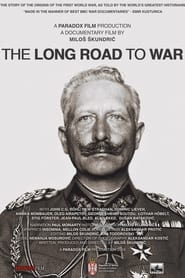
star 7We all learned in schools that the WWI began with the assasination of Franz Ferdinand done by a young Bosnian Gavrilo Princip. In fact, the war was brewing much longer.My Nephew Emmett
2017
My Nephew Emmett
2017
star 6.3This visually ravishing and thought-provoking work portrays one of the USA’s great shames—the 1955 murder of 14-year-old Emmett Till by two white men in Mississippi—and movingly reminds us of this dark episode’s enduring relevance.Expendable Assets
1996
The Unheard Woman
2016
The Unheard Woman
2016
star 7.3What if nobody wants to believe you? Hanni, a farmer's wife and mother of three, is worried about her daughter Magdalena. The girl is smaller than the others, more sensitive, vomits more often and has increasingly poor eyesight. The doctors, the teacher and the family all say it must be her psyche. Glasses with normal lenses will certainly help. But as a mother, Hanni senses that a new pair of glasses won't change anything and that there is more at stake. Even plagued by an unheard-of memory from her youth, she begins to fight unwaveringly and unstoppably for her daughter's suffering, not only putting her family's happiness and her livelihood at risk, but also not shying away from the Bavarian justice system in the end.Weeds on Fire
2016
Weeds on Fire
2016
star 6.3Inspired by the true story of Hong Kong’s first teenage baseball team. In the 1980s, two childhood friends join the Shatin Martins, a Band 3 school baseball team managed by the school principal. From these humble beginnings, the boys experience camaraderie, fall in love and make fateful decisions that resonate throughout their lives amid a changing Hong Kong and its sporting world.L'Oriana
2015
Censored Voices
2015
Censored Voices
2015
star 5.9The 1967 'Six-Day' war ended with Israel's decisive victory; conquering Jerusalem, Gaza, Sinai and the West Bank. It is a war portrayed, to this day, as a righteous undertaking - a radiant emblem of Jewish pride. One week after the war, a group of young kibbutzniks, led by renowned author Amos Oz, recorded intimate conversations with soldiers returning from the battlefield. The recording revealed an honest look at the moment Israel turned from David to Goliath. The Israeli army censored the recordings, allowing the kibbutzniks to publish only a fragment of the conversations. 'Censored Voices' reveals the original recordings for the first time.Warsaw Uprising
2014
Warsaw Uprising
2014
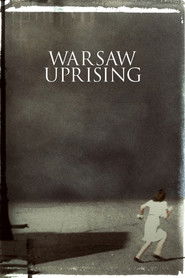
star 7.1It tells the story of the Warsaw Uprising of 1944 through the eyes of a US airman, escaper from the Nazi Stalag camp and two young reporters, cameramen for the Bureau of Information and Propaganda of the Polish Home Army. Their mission: documenting the Uprising by shooting newsreels for the “Palladium” cinema. Looking for the right shots, they go deeper and deeper – literally and figuratively – into the heart of the Uprising. Traumatic truth becomes obvious. Aware of being witnesses of indescribable events, they realize their duties: to document them and preserve the rolls of film at any cost…D-Day: Normandy 1944
2014
D-Day: Normandy 1944
2014
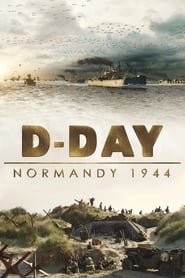
star 6.9June 6, 1944: The largest Allied operation of World War II began in Normandy, France. Yet, few know in detail exactly why and how, from the end of 1943 through August 1944, this region became the most important location in the world. Blending multiple cinematographic techniques, including animation, CGI and stunning live-action images, “D-Day: Normandy 1944” brings this monumental event to the world’s largest screens for the first time ever. Audiences of all ages, including new generations, will discover from a new perspective how this landing changed the world. Exploring history, military strategy, science, technology and human values, the film will educate and appeal to all. Narrated by Tom Brokaw, “D-Day: Normandy 1944” pays tribute to those who gave their lives for our freedom… A duty of memory, a duty of gratitude.The Blind Spot
2013
The Blind Spot
2013
star 6.2The true story of a journalist who investigates the backgrounds of the Oktoberfest terror attack of 1980.Khaytarma
2013
Khaytarma
2013
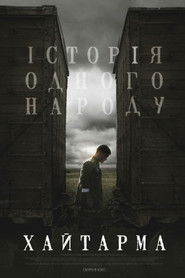
star 7.6The film tells about the tragic date in the history of the Crimean Tatar people — May 18, 1944 — Stalin’s deportation of the Crimean Tatars. The plot of the film — a pilot, twice Hero of the Soviet Union, Amethan Sultan. In May, 1944, a year after liberation of Sevastopol Amethan goes on vacation to his native town Alupka. On May 18 his eyes witness begining of deportation of the Crimean Tatars.Redemption
2013
Redemption
2013
star 7.1On January 21, 1975, in a village in the north of Portugal, a child writes to his parents who are in Angola to tell them how sad Portugal is. On July 13, 2011, in Milan, an old man remembers his first love. On May 6, 2012, in Paris, a man tells his baby daughter that he will never be a real father. During a wedding ceremony on September 3, 1977 in Leipzig, the bride battles against a Wagner opera that she can’t get out of her head. But where and when have these four poor devils begun searching for redemption?The Slave
1962
The Slave
1962
star 5.8The decurion Randus holds himself so well in the command of his troops, that Caesar promotes him to centurion. He is subsequently sent to Egypt, to keep Cesar informed on the actions and intentions of co-triumvir Marcus Licinius Crassus - a man too rich, and ambitious, for Caesar's comfort. A fateful sea trip from Egypt to Rome forces Randus in captivity by mercenary troops, and leads a revolt by which he gets freedom for himself, and all the other slaves. Through an amulet he received from his late mother, a man who had fought by Spartacus' side, identifies the young man as Spartacus' and Varinia's son. At first reluctant to accept this story about his origins, Randus will be forced by the circumstances to repeat the feat of his father, twenty years later.The Holy Inquisition
1974
The Holy Inquisition
1974
star 5.9A plague is spreading through 16th century Mexico, and the Inquisition of the Roman Catholic Church is rooting out Jews, for they are believed to be its cause. At his father's funeral, a monk observes his family practicing Jewish burial rite, and he reports them, leading to devastating consequences for the whole family.Beginning
1967
Beginning
1967
star 6Philosophical essay about the October Revolution of 1917 in Russia, its influence on the destiny of the world in the 20th century.Early Spring
1963
Early Spring
1963
star 7.9An idealistic youth moves to the countryside in search of a purer, more honest society, but finds injustice even in his remote village.Blockade
2006
Blockade
2006
star 6.4The images comprise only of material Sergei Loznitsa found in the Moscow film archives about the siege of Leningrad during the World War II. By providing the originally silent images with a meticulously reconstructed soundtrack, the scenes from everyday life under siege seem to be set in the present. By not intervening in the montage but giving the scenes room to tell a story, the scenes transcend the specific historic events and lead a new life. They do not evoke memories of the past, but become a breathtaking reanimation of reality.Mission to Moscow
1943
Mission to Moscow
1943
star 5.3Ambassador Joseph Davies is sent by FDR to Russia to learn about the Soviet system and returns to the US as an advocate of socialism.The Wandering Jew
1904
The Wandering Jew
1904
star 4.6A Jew who mocked Jesus on the cross is visited by a devil and an angel.Calm at Sea
2012
Calm at Sea
2012
star 6.4October 1941. Eighteen months into France’s occupation by German troops, young Communist members of the Resistance shoot dead an officer of the German Army. In retaliation, Hitler demands the deaths of 150 Frenchmen, as 'retribution'. The targets are to be mostly young men believed to share the assassins’ political convictions. Most of these men are taken from an internment camp for opponents of the occupation; a 35-year-old French rural administrator is ordered to select the victims. Although the parish priest appeals to their conscience and moral sensibilities, both the German military and their French helpers slavishly follow their orders.