Top Rated History Movies on Pantaflix - Page 154
All Services
Free Services
 Netflix
 Amazon Prime Video
 Apple iTunes
 Apple TV Plus
 Disney Plus
 Google Play Movies
 Paramount Plus
 Hulu
Hulu
 HBO Max
 YouTube
 fuboTV
 Peacock
 Peacock Premium
 Amazon Video
 The Roku Channel
 AMC+
AMC on Demand
AMC+
AMC on Demand
 Kocowa
 Hoopla
 The CW
 Vudu
Vudu
 Starz
Starz
 Showtime
 PBS
PBS
 Pantaflix
 FXNow
FXNow
 Tubi TV
 Kanopy
 Comedy Central
 Crunchyroll
 Microsoft Store
 Redbox
 Sun Nxt
 ABC
ABC
 DIRECTV
 Crackle
 Fandor
 Plex
Plex
Netflix
Amazon Prime Video
Apple iTunes
Apple TV Plus
Disney Plus
Google Play Movies
Paramount Plus
Hulu
HBO Max
YouTube
fuboTV
Peacock
Peacock Premium
Amazon Video
The Roku Channel
AMC+
AMC on Demand
Kocowa
Hoopla
The CW
Vudu
Starz
Showtime
PBS
Pantaflix
FXNow
Tubi TV
Kanopy
Comedy Central
Crunchyroll
Microsoft Store
Redbox
Sun Nxt
ABC
DIRECTV
Crackle
Fandor
Plex

The Silver Screen: Color Me Lavender
1997
star 4.9A film scrapbook, images, phrases from our past, hiding their meanings behind veils. Let's lift those veils, one by one, to find how images, at one time seeming innocent, have revealed, after decades, to have homosexual overtones.Jiseul
2013
Jiseul
2013
star 7.4The populace of a South Korean island rebels against police brutality. The protesters are labeled as communists, and the army is dispatched.Frida Still Life
1986
Frida Still Life
1986
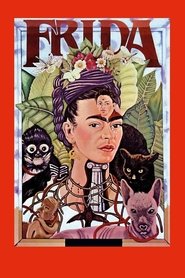
star 5.4This film is a chronicle of painter Frida Kahlo, and her encounter with the personalities of her time. Despite being confied to a wheelchair as a result of polio, operations and amputations, she faces and traces some of the most colorful and controversial aspects of Mexican history, during the dominant time of Mexican muralism.The Affairs of Cellini
1934
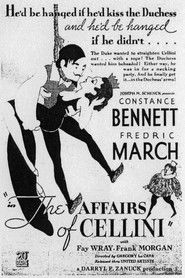
star 4.9The 16th-century sculptor woos the Duchess of Florence despite the duke.A Dispatch from Reuters
1940
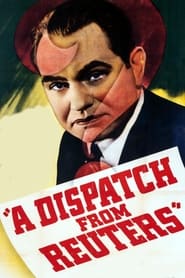
star 6.1German Julius Reuter sends 19th-century news by carrier pigeon and then by wire, founding a news agency.Imaginary Witness: Hollywood and the Holocaust
2004
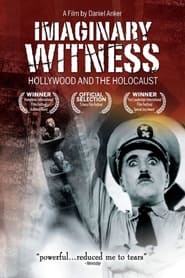
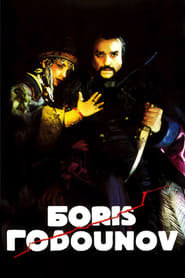
star 6.5Daniel Anker’s 90-minute documentary takes on over 60 years of a very complex subject: Hollywood’s complicated, often contradictory relationship with Nazi Germany and the Holocaust. The questions it raises go right the very nature of how film functions in our culture, and while hardly exhaustive, Anker’s film makes for a good, thought provoking starting point.Boris Godounov
1989
Boris Godounov
1989
star 7.5A possible impostor torments a newly crowned medieval czar who may have ordered the real successor's death.Target for Tonight
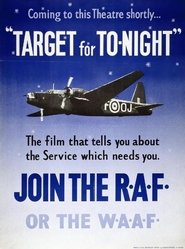
1941
Target for Tonight
1941
star 5.6This is the authentic story of a bombing raid on Germany... how it is planned and how it is executed. Every person seen in the picture is a member of the Royal Air Force from Commander-in-Chief to aircraft hand, re-enacting his own daily life on the job. They are the men and women who actually direct, plan and execute the raids.The Loves of Pharaoh
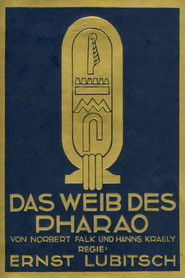
1922
The Loves of Pharaoh
1922
star 6.6The Ethiopian King offers his daughter to a powerful Pharaoh to secure peace between the two countries.Walkout
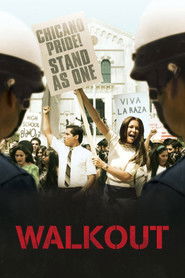
2006
Walkout
2006
star 5.2Walkout is the true story of a young Mexican American high school teacher, Sal Castro. He mentors a group of students in East Los Angeles, when the students decide to stage a peaceful walkout to protest the injustices of the public school system. Set against the background of the civil rights movement of 1968, it is a story of courage and the fight for justice and empowerment.Out of the Blue
2003
Out of the Blue
2003
star 7.5Narrated by Peter Coyote, Out of The Blue is widely considered the best documentary ever made about Unidentified Objects. The producers traveled around the world to investigate some of the most famous UFO events on record. Through exclusive interviews with high-ranking military and government personnel, this award-winning film supports the theory that some UFOs are of extraterrestrial origin.Martin Luther
1953
Martin Luther
1953
star 7.1A biopic of Martin Luther, covering his life between 1505 and 1530, and the birth of the Protestant Reformation movement.The Frozen North
2006
The Frozen North
2006
star 6.3For more than 30 years a man by the name of Dick Proenneke lived alone in the Alaskan Bush. His only neighbors were the wolves and grizzly bears and his only transportation was his canoe and a good set of legs. Through the years, Dick kept written journals of daily life at Twin Lakes but would also document much of his adventure on film with his 16 mms Bolex camera. The Frozen North is Dick's own filmed account of his life alone in this "One Man's Wilderness", produced from original footage not included in "Alone in the Wilderness" or "Alaska Silence & Solitude".Tower of Lust
1955
Tower of Lust
1955
star 4.7France, the beginning of the XIV century. Every night, Queen Margaret of Burgundy and her two sisters arrange orgies, to which beautiful nobles are invited. The young men were brought blindfolded, and after a night of love they were killed and their corpses thrown into the river, because the queen was afraid that her husband would learn about her adventures. One of her lovers managed to escape death. He knows the secrets of the queen, knows that she once gave birth to a son from him, claims that he has evidence that Margarita wanted to kill her father and blackmails her.First Light
2010
First Light
2010
star 5.3In May 1940, feeling the RAF needs every man to fight to Luftwaffe, Geoffrey 'Boy' Wellum joins at 18, becoming the youngest ever Spitfire pilot. After an intense training, he soon bonds with the flying men of his squadron. In the air, danger is great, but on the ground drinks, sports and girls, in Geoff's case Sarah, provide great comfort. However in time, the casualties exact a grueling psychological toll, until his tour of duty is ended after 18 months.The Devil Who Limped
1948
The Devil Who Limped
1948
star 6.4The film is a 125-minute, black-and-white biography of French priest and diplomat Charles Maurice de Talleyrand-Périgord (1754–1838), who served for 50 years under five different French regimes: the Absolute Monarchy, the Revolution, the Consulate, the Empire, and the Constitutional Monarchy. Its title comes from one of the main historical nicknames for Talleyrand, that he shares with demon king Asmodeus and English poet Lord Byron.Swastika
1974
Swastika
1974
star 6.7Comprised of video shot during the Nazi regime, including propaganda, newsreels, broadcasts and even some of Eva Braun's colorized personal home movies, we explore the way in which the Third Reich infiltrated the lives of the German population, from 1933 to 1945.The Samurai I Loved
2005
The Samurai I Loved
2005
star 7.3A young samurai stuck at the bottom of the hierarchical order attempts to rescue his childhood sweetheart from an evil clan lord after learning of a plot to kill her and her infant child. Bunshiro Maki is a skilled swordfighter who's lethal with a blade, yet still can't rise through the ranks of the system. After his father is accused of plotting against his clan and forced to commit ritual suicide, his longtime love Fuku is sent to Edo to become the clan lord's concubine. A few years later, Fuku has bore the clan lord a son. When Maki learns that the clan has hatched a plan to kill Fuku and her son to secure succession to the throne, he recruits two childhood friends to help thwart the diabolical plot.Portrait of the Fighter as a Young Man
2010
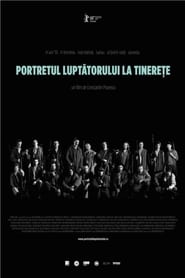
star 7.1When the Soviet Army marched into Romania in 1944, a part of the Romanian population went “into the mountains” – a diverse assortment of nationalists and fascists, liberals, apolitical farmers and members of the middle-class, who were affected by the Communists’ expropriations. Over a thousand armed resistance groups took refuge in the inaccessible forests of the Carpathian Mountains where they waited in vain for the support of the Western Allies. One of them was led by Ion Gavrilă-Ogoranu, who managed to remain undetected until 1976 when he was arrested. This film depicts the daily existence of this group. It tells the story of a struggle that became an end in itself, as the enemy was constantly in pursuit and arrest meant torture and often liquidation. Hungry and emotionally withdrawn, the group of young men got entangled in a partisan war that could not be won, lost in the landscape of the South Carpathians, accompanied by a vigilant secret police, the Securitate.Dersimiz: Atatürk
2010
Dersimiz: Atatürk
2010
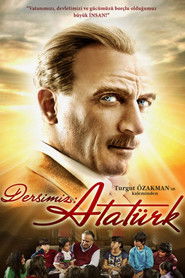
star 5.4Tarihci Dede is giving information to a couple of children about Mustafa Kemal Atatürk's success and his way to shape todays Turkey.