Top Rated History Movies on Pantaflix - Page 160
All Services
Free Services
 Netflix
 Amazon Prime Video
 Apple iTunes
 Apple TV Plus
 Disney Plus
 Google Play Movies
 Paramount Plus
 Hulu
Hulu
 HBO Max
 YouTube
 fuboTV
 Peacock
 Peacock Premium
 Amazon Video
 The Roku Channel
 AMC+
AMC on Demand
AMC+
AMC on Demand
 Kocowa
 Hoopla
 The CW
 Vudu
Vudu
 Starz
Starz
 Showtime
 PBS
PBS
 Pantaflix
 FXNow
FXNow
 Tubi TV
 Kanopy
 Comedy Central
 Crunchyroll
 Microsoft Store
 Redbox
 Sun Nxt
 ABC
ABC
 DIRECTV
 Crackle
 Fandor
 Plex
Plex
Netflix
Amazon Prime Video
Apple iTunes
Apple TV Plus
Disney Plus
Google Play Movies
Paramount Plus
Hulu
HBO Max
YouTube
fuboTV
Peacock
Peacock Premium
Amazon Video
The Roku Channel
AMC+
AMC on Demand
Kocowa
Hoopla
The CW
Vudu
Starz
Showtime
PBS
Pantaflix
FXNow
Tubi TV
Kanopy
Comedy Central
Crunchyroll
Microsoft Store
Redbox
Sun Nxt
ABC
DIRECTV
Crackle
Fandor
Plex

The Kunoichi: Ninja Girl
2011
star 5.3In 16th century feudal Japan the war between the Iga clan and the Kouga clan continues unabated. Typically for such violent disputes it is the women who suffer the most – in this case lowly castrated Kouga clan ninjas are kidnapping woman from their rivals’ lands and transporting them back to their own, with the intent to use them as concubines. Unfortunately for a trio of inept Kouga ninjas, one of the women they’ve kidnapped is Kisaragi (Rina Takeda), a skilled ninja with a long standing vendetta since her mother was kidnapped when she was just a baby.The Iron Mistress
1952
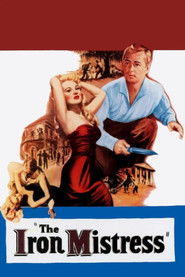
The Iron Mistress
1952
star 5In this biopic, Jim Bowie goes to New Orleans, where he falls for Judalon and befriends her brother, Narcisse. Soon, Jim is forced to avenge Narcisse's murder, but Judalon takes up with another man. Jim eventually has another romantic interlude with Judalon and is forced to kill one of her suitors in self-defense. Jim leaves town, and falls for the daughter of a Texas politician, but his entanglement with Judalon continues to bedevil him.Sweden: Heaven and Hell
1968
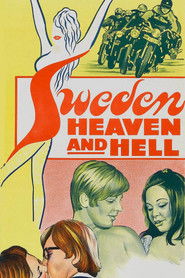
star 5.5Nine scenes about sexuality and morals in Sweden in the late sixties.Behind the Burly Q
2010
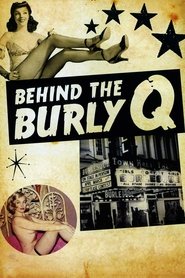
Behind the Burly Q
2010
star 4.9Dive into more than a century of decadence with this tantalizing look at the evolution of burlesque. Cabaret star Leslie Zemeckis traces the art form from vaudeville-style variety show through its extinction and contemporary rebirth. Vintage photos, film clips and ads illustrate burlesque's resilient history and how the public's sexual appetite kept it alive amid moral and legal ado.Jericho
1991
Jericho
1991
star 5.1In 16th-century Spanish America, a Dominican friar named Santiago survives a brutal expedition and is absorbed into a Carib tribe. When he flees tribal conflict only to be captured by Spanish forces accused of heresy, he is forced to confront the clash between his ideals and the violence of conquest.Florbela
2012
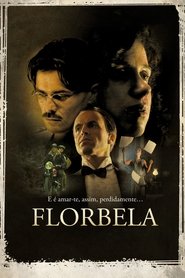
Florbela
2012
star 4.8Shaken by a divorce in the 1920s, Portuguese poetess Florbela Espanca uses her writing to deal with her tumultuous relationship with men, eroticism and love.Roots: The Gift
1988
Roots: The Gift
1988
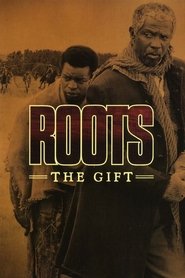
star 6.8On Christmas Eve 1770, a young African warrior, who three years prior had been captured and sold into slavery in America, leads a desperate group of runaway slaves as they attempt to reach freedom in the North.A Fierce Green Fire
2013
A Fierce Green Fire
2013
star 5.8It is the largest movement the world has ever seen, it may also be the most important - in terms of what's at stake. Yet it's not east being green. Environmentalists have been reviled as much as revered, for being killjoys and Cassandras. Every battle begins as a lost cause and even the victories have to be fought for again and again. Still, environmentalism is one of the great social innovations of the twentieth century, and one of the keys to the twenty-first. It has arisen at a key juncture in history, when humans have come to rival nature as a power determining the fate of the earth.I Saw Ben Barka Get Killed
2005
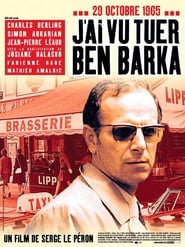
star 5.4January 1966. In a Paris apartment, police discovers the corpse of Georges Figon, the man who broke the scandal of the Ben Barka affair and undermined Gaullist power.Silvestre
1982
Silvestre
1982
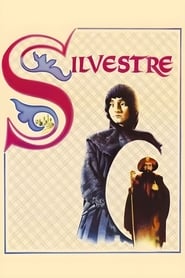
star 6.5A bewitching combinatory adaptation of the Bluebeard tale and a 15th century Portuguese fable of a damsel who disguises herself as a knight errant.Schwabenkinder
2003
Schwabenkinder
2003
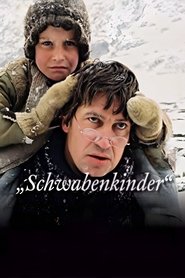
star 5.5A film about a piece of Germany's dark past at the end of the 19th century.The Murri Affair
1974
The Murri Affair
1974
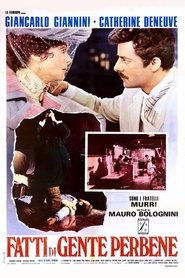
star 6.6Based on a true incident, this tells the story of a troubled young man who kills his sister's reactionary, violent and abusive husband and is eventually arrested for the murder. However, the dead husband happened to be a member of the Italian nobility, and the trial starts to turn into more of a prosecution of the defendant's socialist politics and the activities of his father, a well known liberal social reformer, than the actual crime itself.¿Dónde vas, Alfonso XII?
1959
star 6.2Alfonso de Borbón and his cousin María de las Mercedes de Orleans fall in love and, although both families do not maintain good relationships, young people marry when Alfonso became king of Spain.Moonsund
1987
Moonsund
1987
star 3.2Captain of a Russian battleship "Novik" Artenyev is in love with a beautiful lady Klara who is a German spy. They cannot be together because of the war and their professions. But they are in such love that all the war battles and battleships do not stop them, only their duties do.The Man who Crossed Hitler
2011
star 6.5In the summer of 1931, with Germany on the brink of economic collapse, and the city of Berlin turning into a paramilitary war-zone, audacious young prosecutor Hans Litten (Stoppard) chose to summon a star witness to a trial of Nazi thugs. In spite of the risk to his own safety and against the advice of those who love him, Litten forced rising political star Adolf Hitler (Hart) to make a sensational appearance in the witness stand of Berlin's central criminal court. Litten aimed to expose the true character of Hitler and his politics to the German public, to reveal his hypocrisy and his violent ambitions, and in doing so, halt the electoral success of the Nazi Party. In a humiliating and hostile cross-examination, Hitler was forced to account for his political beliefs, his contempt for the law and his desire to destroy German democracy. For a brief moment, Hitler's political future was genuinely in the balance.The Devil's Bible
2008
The Devil's Bible
2008
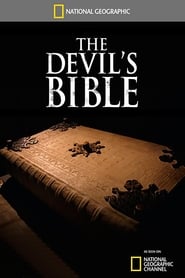
star 6At 165 pounds, and allegedly made from the skins of 160 donkeys, the Codex Gigas is the world's largest and most mysterious medieval manuscript. Filled with satanic images and demonic spells, according to legend, the cursed text sprang from a doomed monk's pact with the Devil. Now, Nat Geo follows a team of scientists as they embark on an unprecedented quest to unravel the secrets behind the book's darkened pages. Using ultra-violet fluorescence imaging, handwriting analysis and a re-creation of the text, forensic document experts attempt to uncover the cryptic truth behind this ancient Devil's Bible.John Paul Jones
1959
John Paul Jones
1959
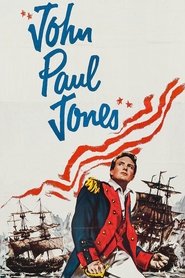
star 5.9The career of Revolutionary War naval hero John Paul Jones, from his youth in Scotland through his service to Catherine the Great of Russia.The Man Nobody Knew: In Search of My Father, CIA Spymaster William Colby
2011
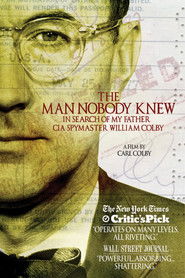
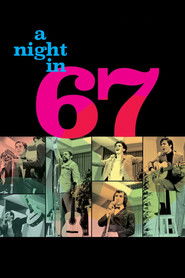
star 6.3A personal exploration into the life of America's controversial former CIA Director told through the eyes of his wife and filmmaker son, Carl. Through extraordinary events in twentieth century history, this consummate soldier/spy stood at the center of the Agency's most clandestine activities and operations. The film reveals the 'cover life' of this CIA operative, who followed orders and took on the dirtiest assignments until the Nixon Administration ordered him to 'stonewall' Congress about the CIA's past abuses, but he refused. This film reveals why, for the first time, he could not obey.A Night in 67
2010
A Night in 67
2010
star 6.9In the 1970s, "festivals" were incredibly popular in Brazil, as they were recorded before a live studio audience, and usually featured a number of elimination rounds. They also formed the springboard for the career of many a big-name stars, such as Chico Buarque, Caetano Veloso, Roberto Carlos and Gilberto Gil. Appearing on such a program was no cakewalk, however: audiences could be as wild in their condemnation as in their appreciation of an artist. Extensive archive footage (including performances and behind-the-scenes interviews) from the turbulent final evening of the Festival of Brazilian Popular Music 1967 paints a fascinating picture, not only of the transformation of Brazilian music into real "festival" music, but also of a society starting to buck against the yoke of military rule.The Dream of the Red Chamber
1977
star 6.4Pao-yu is in love with his cousin, Lin Tai-yu, but his family has other marital plans for him that will leave both broken-hearted.