Top Rated Music Movies on Pantaflix - Page 295
All Services
Free Services
 Netflix
 Amazon Prime Video
 Apple iTunes
 Apple TV Plus
 Disney Plus
 Google Play Movies
 Paramount Plus
 Hulu
Hulu
 HBO Max
 YouTube
 fuboTV
 Peacock
 Peacock Premium
 Amazon Video
 The Roku Channel
 AMC+
AMC on Demand
AMC+
AMC on Demand
 Kocowa
 Hoopla
 The CW
 Vudu
Vudu
 Starz
Starz
 Showtime
 PBS
PBS
 Pantaflix
 FXNow
FXNow
 Tubi TV
 Kanopy
 Comedy Central
 Crunchyroll
 Microsoft Store
 Redbox
 Sun Nxt
 ABC
ABC
 DIRECTV
 Crackle
 Fandor
 Plex
Plex
Netflix
Amazon Prime Video
Apple iTunes
Apple TV Plus
Disney Plus
Google Play Movies
Paramount Plus
Hulu
HBO Max
YouTube
fuboTV
Peacock
Peacock Premium
Amazon Video
The Roku Channel
AMC+
AMC on Demand
Kocowa
Hoopla
The CW
Vudu
Starz
Showtime
PBS
Pantaflix
FXNow
Tubi TV
Kanopy
Comedy Central
Crunchyroll
Microsoft Store
Redbox
Sun Nxt
ABC
DIRECTV
Crackle
Fandor
Plex

Palavra (En)Cantada
2009
Palavra (En)Cantada
2009
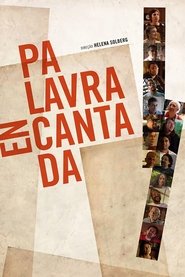
star 6.4A journey in the history of the Brazilian songbook with a look at the relationship between poetry and music, sewing testimonials of great names of our culture, musical performances and amazing research of images.Bop Girl Goes Calypso
1957
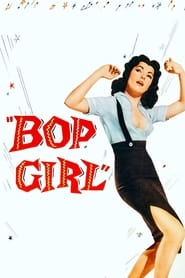
star 4.2Bop Girl Goes Calypso is a 1957 American United Artists film directed by Howard W. Koch and starring Judy Tyler. It featured Calypso music, and music by the Bobby Troup Trio and bassist Jim Aton. The calypso craze of the late 1950s drives this fun musical about grad student Bob Hilton (Bobby Troup), who sets out to prove that rock 'n' roll and bop are going the way of the dinosaur, to be replaced by the refreshing rhythms of calypso.Davy
1958
Davy
1958
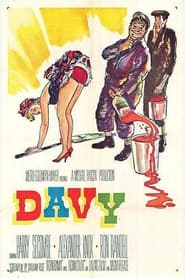
star 5The Mad Morgans are a family song and dance act touring the British Music Halls. Young Davy is the star of the act but should he stay with his family or strike out on his own ? The last comedy to be produced at Ealing Studios.Let the Good Times Roll
1973
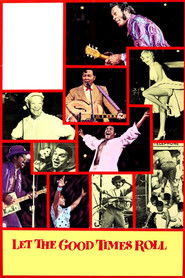
star 6.1Documentary of a 1950s rock and roll revival show, with split-screen editing to rival Woodstock.A Plantation Act
1926
A Plantation Act
1926
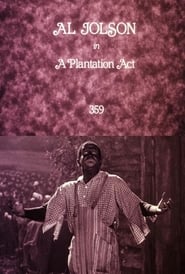
star 3.6Al Jolson's first sound film. Dressed in overalls and wearing black-face makeup, he sings three of his hit songs: "When the Red, Red, Robin Comes Bob, Bob, Bobbin' Along ", "April Showers", and "Rock-a-Bye Your Baby with a Dixie Melody ".Brian Eno: Imaginary Landscapes
1989
star 5.9Here’s an interesting and extremely rare documentary from 1989, which features legendary producer and multimedia artist Brian Eno discussing his process and his thoughts on music in general.Unsere Pauker gehen in die Luft
1970
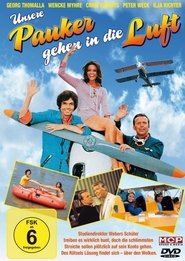
star 4.9In Hamburg, the general manager of Merkur Insurance is full of praise for his top-selling agent, Harry Weber. As a reward for his services, he grants him his heart's desire: a pilot's license. Naturally, the flight school is located in an idyllic small town that the insurance company hasn't yet developed. The head of the Bergen Gymnasium located there is Oskar Weber, Harry's twin brother, whom he lost touch with 20 years ago. Everyone now considers Harry the strict headmaster, and who would refuse him the good advice to sign a contract with Merkur? Until the two brothers finally come face to face, they trigger the most confusing situations, which culminate in a joyful happy ending with a lap of honor followed by a crash landing.Taqwacore: The Birth of Punk Islam
2009
star 5.6Three years in the making, this feature documentary follows the progression of the Muslim Punk scene: from its imaginary inception in a novel written by a white-convert named Michael Muhammad Knight to a full-blown, real-life scene of Muslim punk bands and their fans.Beer and Pretzels
1933
Beer and Pretzels
1933
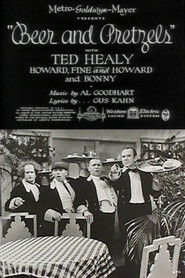
star 5.8Ted Healy and his Stooges are fired and evicted from a theatre because Ted is annoying women working there. They then get jobs as waiters at a nightclub. Chaos and a few musical numbers ensue.Some People
1962
Some People
1962
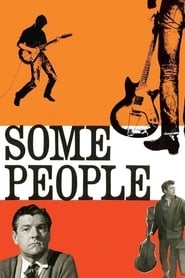
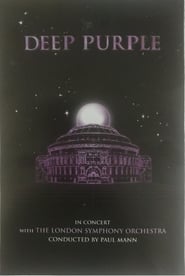
star 7Four teen-aged Teds are persuaded to form a rock group and undertake the Duke of Edinburgh Award Scheme to keep them out of trouble.Deep Purple: In Concert with The London Symphony Orchestra
2000
star 8.8Deep Purple in Concert with the London Symphony Orchestra Conducted by Paul Mann. Recorded at the Royal Albert Hall London 25th & 26th September 1999.Michael Schenker Group: The 30th Anniversary Concert - Live in Tokyo
2010
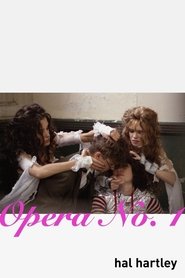
star 8.4This performance was recorded in January 2010 during the band's 30th-anniversary Japanese tour. On this trek, the MICHAEL SCHENKER GROUP consisted of Michael Schenker (guitar), Gary Barden (vocals), Simon Phillips (drums), Wayne Findlay (guitar, keyboards), and Neil Murray (bass).Opera No. 1
1994
Opera No. 1
1994
star 5.8A comical mini opera following the exploits of two goddesses interfering with the lives of mortals. Mistaken identities, miscast spells, and rollerblades abound.Ain't She Sweet
1933
Ain't She Sweet
1933
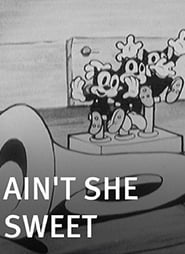
star 5.619th century song pluggers in vaudeville theaters and in the streets invited audiences to join in the chorus; this tradition of participation appeared in movie theaters by the mid-teens. When sound arrived, Fleischer Studios’ delightful “Screen Songs” added witty animated prologues and celebrity singers to prepare the audience for the ball that bounced through the lyrics.Jhankaar Beats
2003
Jhankaar Beats
2003
star 5.6Deep and Rishi, best friends and passionate musicians, navigate the challenges of their personal and professional lives while preparing for the annual music contest, "Jhankaar Beats." Deep enjoys a stable life with his wife, Shanti, and young daughter, but faces pressures from a demanding job, a quirky client, and a meddlesome mother-in-law. Rishi, on the other hand, is grappling with a failing marriage to his headstrong wife, Nicki, and the emotional toll of living apart. When Neel, a talented guitarist with his own romantic troubles, joins their advertising agency, he becomes an unlikely ally. Together, the trio juggles work chaos, relationship conflicts, and their unyielding dream of winning the competition. Set against a backdrop of music, camaraderie, and laughter, their journey is one of self-discovery, forgiveness, and the pursuit of harmony both on and off the stage.Piano Tooners
1932
Piano Tooners
1932
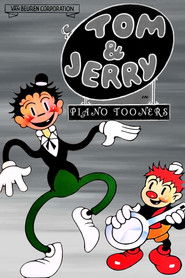
star 6.8Tom and Jerry work as piano tuners. After seeing them at work and several creative ways of tuning a piano (such as removing the offending key and cutting the key itself to a shorter length), the two attend an opera singers performance. The singer passes out when the piano plays a wrong note, and Tom and Jerry are pressed into service to re-tune the piano. After pulling the offending key from the keyboard like a bad tooth, the two give the opera audience a jazz piano performance, with the now recovered opera singer joining in.Jack and the Beanstalk
1970
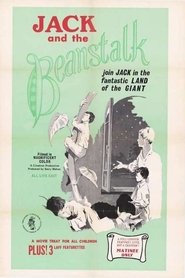
star 3.1Retelling of the classic fairy tale, but from a decidedly 1960s point of view, complete with "groovy" dialogue.Some Like It Hot
1939
Some Like It Hot
1939
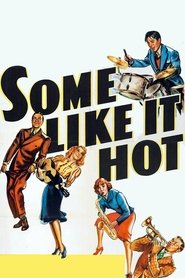
star 7.2Nicky Nelson is a fast-talking sideshow barker with a wax-and-alive concession on Atlantic City's boardwalk. Even with the band of his friend, struggling musician Gene Krupa, playing on the sidewalk to attract the customers, "The Living Corpse" and other low-rent acts aren't enough to lure the seen-it-all boardwalk strollers, and the landlord closes the show in lieu of never-paid rent. Nicky, always promoting, goes to Stephen Hanratty, head of the pier's Dance Pavilion, to plug Krupa's band as an attraction, but Hanratty won't even listen to them. But, while there, he meets singer Lily Racquel, who knows he is a phoney but might have the ability to to talk a radio-station manager into giving her an audition. She gives him a ring to help finance the project; he promptly loses it in a crap-game.Black Metal
2013
Black Metal
2013
star 5.8After a career spent mining his music from the shadows, one fan creates a chain reaction for the lead singer of a black metal band.There Goes the Bride
1932
There Goes the Bride
1932
star 6.4A businessman's daughter runs away from an arranged marriage, only to find herself penniless and suspected of theft after she becomes the victim of a bag thief in the train. When she refuses to tell him who she really is, her accuser decides to take her home where he can keep an eye on her until 12 o'clock the next day, the time at which she has calculated that it will be safe to tell the truth! But when his fiancée arrives unexpectedly and then his 'guest' is mistaken for her, it all gets rather embarrassing...