Top Rated War Movies on Pantaflix - Page 271
All Services
Free Services
 Netflix
 Amazon Prime Video
 Apple iTunes
 Apple TV Plus
 Disney Plus
 Google Play Movies
 Paramount Plus
 Hulu
Hulu
 HBO Max
 YouTube
 fuboTV
 Peacock
 Peacock Premium
 Amazon Video
 The Roku Channel
 AMC+
AMC on Demand
AMC+
AMC on Demand
 Kocowa
 Hoopla
 The CW
 Vudu
Vudu
 Starz
Starz
 Showtime
 PBS
PBS
 Pantaflix
 FXNow
FXNow
 Tubi TV
 Kanopy
 Comedy Central
 Crunchyroll
 Microsoft Store
 Redbox
 Sun Nxt
 ABC
ABC
 DIRECTV
 Crackle
 Fandor
 Plex
Plex
Netflix
Amazon Prime Video
Apple iTunes
Apple TV Plus
Disney Plus
Google Play Movies
Paramount Plus
Hulu
HBO Max
YouTube
fuboTV
Peacock
Peacock Premium
Amazon Video
The Roku Channel
AMC+
AMC on Demand
Kocowa
Hoopla
The CW
Vudu
Starz
Showtime
PBS
Pantaflix
FXNow
Tubi TV
Kanopy
Comedy Central
Crunchyroll
Microsoft Store
Redbox
Sun Nxt
ABC
DIRECTV
Crackle
Fandor
Plex

Waterloo
1929
Waterloo
1929
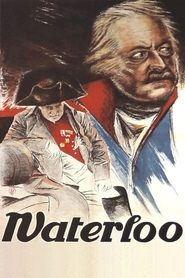
star 4This presentation of 'Waterloo', a film by Karl Grune about the last hurrah of Napoleon, is a fascinating companion to the Abel Gance epic 'Napoleon'. 'Waterloo' presents a tale of several people involved in the final battle. Napoleon and Wellington, of course, but also the Austrian general Blutcher (who is seen as a ladies' man - his scene with a flirty Countess about halfway through the film is priceless; as are his touching scenes with his plain wife (who he imagines to be a young and nubile girl when they get romantic) and some people within his regiment. Not simply a film of war, 'Waterloo' is a story of people, of lovers, of lost opportunities.Maksim Maksimich
1927
Guerrillas on the Plain
1955
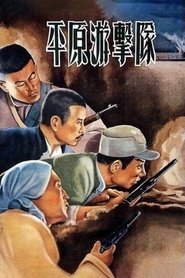
star 6A guerrilla group led by Li Xiangyang are ambushed by the Japanese invasion army during the War of Resistance.Arezki, L'Indigène
2008
Arezki, L'Indigène
2008
star 6In 1895, young journalist Albertine Auclair arrives in the Kabylie during a family visit. The beauty of the region seduces her but she soon learns of the struggles of the native Algerians. She hears in particular about Arezki El Bachir, who was recently sentenced to death by the colonial justice system, and decides to find out more about this extraordinary man.The Mighty
1929
The Mighty
1929
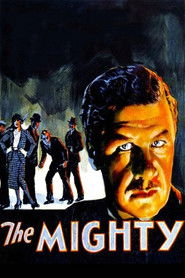
star 5In this melodrama set during WWI, a gangster joins the army and is promoted to major. He then returns from war torn Europe to tell a family that their beloved son had died in his arms during a battle. The major then falls in love with the late soldier's sister and decides to accept a position in town as the new police commissioner.Before the Fall
2015
Before the Fall
2015
star 3.5Cambodia 1975: The capital Phnom Penh is a city under siege. Only the presence of the last remaining US troops is keeping Khmer Rouge guerrilla forces from overrunning the town's fragile defenses. Inside this dark, dystopian setting a stunning nightclub singer engages in a battle of wits and deception with two lovers in a bid to escape the doomed metropolis.The Scarlet Sail of Paris
1971
star 3Virtually unseen since its Soviet television broadcast in 1971, the film, Peter Rollberg writes, is “devoted to the anniversary of the Paris commune, mixing historical footage with images of present-day Paris.”Mulan Joins the Army
1939
Mulan Joins the Army
1939
star 6This movie is based on the famous Chinese folklore that is more than one and a half millennium old. The same folklore was what the Disney animation Mulan is based on, and similarly, it was what many Chinese movies/operas/plays based on.Cheyenne's Pal
1917
Cheyenne's Pal
1917
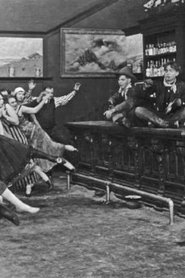
star 4.5During World War I, westerner Cheyenne Harry is a horse seller, but he refuses to part with his favorite horse and friend, Cactus. One night, broke and drunk, he sells Cactus to an Englishman for $350 which he soon loses gambling. When Harry discovers that Cactus is being sent to the war in France and probable death, he gets a horse- tending job on the ship. When they get the opportunity Harry jumps off the ship with Cactus and they swim to shore. Harry is eventually caught but is allowed to work off his debt and keep Cactus.Train of Gold
1986
Train of Gold
1986
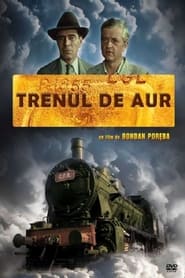
star 4.5First days of September 1939. The government decides to transport the Polish gold stored in the treasury of the National Bank of Poland out of the threatened Warsaw. A convoy is formed under the command of the man for special tasks, Major Bobruk. A string of trucks and city buses travel along crowded roads under relentless attack by aircraft. The convoy makes its way through Lublin to Romanian territory, where the gold will be reloaded onto a train. Prime Minister Calinescu, disregarding the threats of the Nazis, agrees to the transit of the precious bullion through his country. The evacuation of the gold is threatened all the time by a special German sabotage group under the command of Second Lieutenant Rudolf Lang.Gamechanger
2016
Gamechanger
2016
star 7On his way to yet another tour of duty abroad, thirty-year-old Max gets caught up in a game with the young boys next door. Max gradually loses sight of reality, and the boys lose their innocence.The Rosary
1913
The Rosary
1913
star 7.5Haunting and hypnotic, this artistic gem recounts the lyrics from a popular 1898 song of the same name. Weber’s stylistics, including circular matte shots, foregrounding of the cross and the rosary, and placement of the characters within each shot bring to the film an enormous emotional and spiritual range.My Private War
1990
My Private War
1990
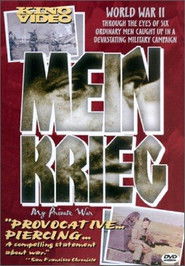
star 2Late in the 1980s, two documentary film makers found six German men, all in their 60s and 70s, who had been soldiers in the German invasion of the USSR in 1942. Each carried an 8mm camera into battle and they still had their film. "Mein Kreig" alternates between interviews with these older men, now apologetic, philosophical, or defiant about their participation, and the footage they shot. It's chronological: basic training, the train trip East, roof-top vistas of war-torn Warsaw, peasants in Belarus, the downing with carbine volleys of a Russian plane, winter, a holiday at the Black Sea, mud, impassable roads, death, destruction and retreat. "Home, that was the front," one says.Tatara Samurai
2017
Tatara Samurai
2017
star 5.5In 16th century Japan, a young man has to choose between becoming a master steel maker like his father and grandfather before him, or becoming a samurai so that he can help protect his village from attacks by the various clans which want the high-quality steel made there.The Enemy
1927
The Enemy
1927
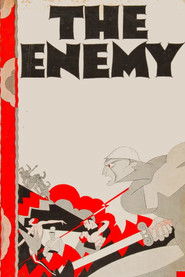
star 5.5Carl Behrend, son of a wealthy businessman, marries Pauli Arndt, daughter of a pacifist professor. When World War I breaks out, Carl is drafted. Pauli and her family and friends are left behind to experience the suffering which befell civilians during the war. Her luck worsens when her father is dismissed from his professorship for teaching that war is evil. Her father argues violently with Carl's father, and degradation and despair descend on Pauli and her family as they await Carl's return from the front.Up from the Beach
1965
Up from the Beach
1965
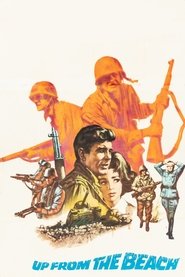
star 8After the D-Day landings in June 1944, a US squadron liberates a small village in Normandy from German occupation.The Fire People
2016
The Fire People
2016
star 8.8A young boy embarks on a quest to find a clan of magical forest dwellers, constantly on the run from an evil force which attempts at every turn to stop him.Submarine I-57 Will Not Surrender
1959
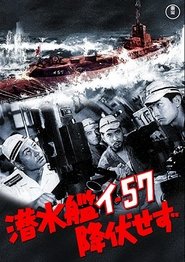
star 8.5In World War II, the commanding officer of a sub, against his will takes on board two Western diplomats, to take them to the Canaries and arrange an armistice. When they get there, peace has been declared, but the sub's crew don't know as their radio has failed. They send their passengers ashore and go out to face a final battle...Victory
1985
Victory
1985
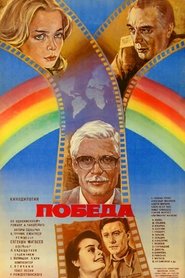
star 8.530 years after the end of World War II, a Soviet and an American journalist meet again for realizing post war paths of their countries.Son Gece
1967
Son Gece
1967
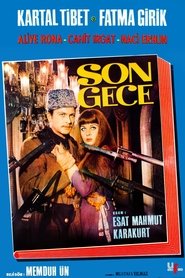
star 7Captain Faruk is assigned to the northern front during World War I. He kills an elderly Romanian general who resists him in a house where he has taken refuge. The general's daughter, Mariya, informs her brother, Captain Polibas, of her father's death and takes refuge with her aunt. The town of Ivesti, where her aunt lives, is also occupied by Turkish soldiers. Captain Faruk is placed in Mariya's aunt's house by the mayor of Ivesti. Captain Faruk tries to make Mariya forgive him. The two will eventually fall in love with each other.