Top Rated Documentary Movies on Plex - Page 15
All Services
Free Services
 Netflix
 Amazon Prime Video
 Apple iTunes
 Apple TV Plus
 Disney Plus
 Google Play Movies
 Paramount Plus
 Hulu
Hulu
 HBO Max
 YouTube
 fuboTV
 Peacock
 Peacock Premium
 Amazon Video
 The Roku Channel
 AMC+
AMC on Demand
AMC+
AMC on Demand
 Kocowa
 Hoopla
 The CW
 Vudu
Vudu
 Starz
Starz
 Showtime
 PBS
PBS
 Pantaflix
 FXNow
FXNow
 Tubi TV
 Kanopy
 Comedy Central
 Crunchyroll
 Microsoft Store
 Redbox
 Sun Nxt
 ABC
ABC
 DIRECTV
 Crackle
 Fandor
 Plex
Plex
Netflix
Amazon Prime Video
Apple iTunes
Apple TV Plus
Disney Plus
Google Play Movies
Paramount Plus
Hulu
HBO Max
YouTube
fuboTV
Peacock
Peacock Premium
Amazon Video
The Roku Channel
AMC+
AMC on Demand
Kocowa
Hoopla
The CW
Vudu
Starz
Showtime
PBS
Pantaflix
FXNow
Tubi TV
Kanopy
Comedy Central
Crunchyroll
Microsoft Store
Redbox
Sun Nxt
ABC
DIRECTV
Crackle
Fandor
Plex

Liam Gallagher: As It Was
2019
star 6.8From the dizzying heights of his “champagne supernova” years, Oasis frontman Liam Gallagher falls into a wilderness of booze and legal battles, before making an attempt to stage the greatest comeback in rock history.24×36
2016
24×36
2016
star 6.9A documentary exploring the birth, death and resurrection of illustrated movie poster art. Through interviews with a number of key art personalities from the 70s and 80s, as well as many modern, alternative poster artists, “Twenty-Four by Thirty-Six” aims to answer the question: What happened to the illustrated movie poster? Where did it disappear to, and why? In the mid 2000s, filling the void left behind by Hollywood’s abandonment of illustrated movie posters, independent artists and galleries began selling limited edition, screenprinted posters — a movement that has quickly exploded into a booming industry with prints selling out online in seconds, inspiring Hollywood studios to take notice of illustration in movie posters once more.National Parks Adventure
2016
star 6.9Narrated by Academy Award winner Robert Redford, National Parks Adventure takes audiences on the ultimate off-trail adventure into the nation’s awe-inspiring great outdoors and untamed wilderness. Immersive IMAX 3D cinematography takes viewers soaring over red rock canyons, hurtling up craggy mountain peaks and into other-worldly realms found within America’s most legendary outdoor playgrounds, including Yellowstone, Glacier National Park, Yosemite, and Arches. Celebrate the 100-year anniversary of the national parks with world-class mountaineer Conrad Anker, adventure photographer Max Lowe and artist Rachel Pohl as they hike, climb and explore their way across America’s majestic parks in an action-packed expedition that will inspire the adventurer in us all.Extraordinary: The Seeding
2019
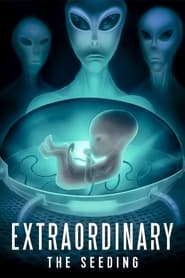
star 6.8Filmmaker Jon Sumple explores alien hybridization programs, why they're happening and their impact on humanity.Killswitch
2015
Killswitch
2015
star 7.9This Internet is under attack. Communications, culture, free speech, innovation, and democracy are all up for grabs. Will the Internet be dominated by a few powerful interests? Or will citizens rise up to protect it?The Dog
2013
The Dog
2013
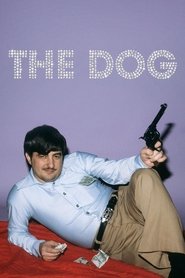
star 6.7In 1972, John Wojtowicz attempted to rob a Brooklyn bank to pay for his lover’s sex-change operation. The story was the basis for the film Dog Day Afternoon. The Dog captures John, who shares his story for the first time in his own unique, offensive, hilarious and heartbreaking way. We gain a historic perspective on New York's gay liberation movement, in which Wojtowicz played an active role. In later footage, he remains a subversive force, backed by the unconditional love of his mother Terry, whose wit and charm infuse the film. How and why the bank robbery took place is recounted in gripping detail by Wojtowicz and various eyewitnesses.David Bowie & The Story of Ziggy Stardust
2012
star 7BBC documentary telling the story of how David Bowie arrived at one of the most iconic creations in pop history - Ziggy Stardust - with contributions from colleagues and famous fans.Trumbo
2007
Trumbo
2007
star 6.6Through a focus on the life of Dalton Trumbo (1905-1976), this film examines the effects on individuals and families of a congressional pursuit of Hollywood Communists after World War II. Trumbo was one of several writers, directors, and actors who invoked the First Amendment in refusing to answer questions under oath. They were blacklisted and imprisoned. We follow Trumbo to prison, to exile in Mexico with his family, to poverty, to the public shunning of his children, to his writing under others' names, and to an eventual but incomplete vindication. Actors read his letters; his children and friends remember and comment. Archive photos, newsreels and interviews add texture. Written byA Film Unfinished
2010
A Film Unfinished
2010
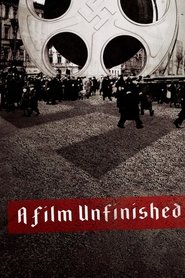
star 6.4Yael Hersonski's powerful documentary achieves a remarkable feat through its penetrating look at another film-the now-infamous Nazi-produced film about the Warsaw Ghetto. Discovered after the war, the unfinished work, with no soundtrack, quickly became a resource for historians seeking an authentic record, despite its elaborate propagandistic construction. The later discovery of a long-missing reel complicated earlier readings, showing the manipulations of camera crews in these "everyday" scenes. Well-heeled Jews attending elegant dinners and theatricals (while callously stepping over the dead bodies of compatriots) now appeared as unwilling, but complicit, actors, alternately fearful and in denial of their looming fate.Blue Collar Comedy Tour Rides Again
2004
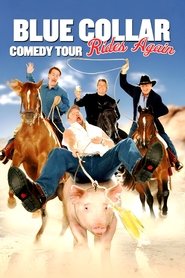
star 5.7Celebrated comedians Jeff Foxworthy, Larry the Cable Guy, Bill Engvall, and Ron White are reunited by popular demand to bring back more of their blue collar humor. The first movie was a runaway hit and the latest installment of this concert experience allows you to once again see them perform their original material on stage, up close and personal, from the best seat in the house.The Booksellers
2020
The Booksellers
2020
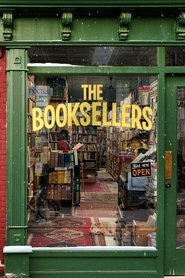
star 6.9What once seemed like an esoteric world now seems essential to our culture: the community of rare book dealers and collectors who, in their love of the delicacy and tactility of books, are helping to keep the printed word alive. D.W. Young’s elegant and entertaining documentary, executive produced by Parker Posey, is a lively tour of New York’s book world, past and present, from the Park Avenue Armory’s annual Antiquarian Book Fair, where original editions can fetch hundreds of thousands of dollars; to the Strand and Argosy book stores, still standing against all odds; to the beautifully crammed apartments of collectors and buyers. The film features a litany of special guests, including Fran Lebowitz, Susan Orlean, Gay Talese, and a community of dedicated book dealers who strongly believe in the wonder of the object and the everlasting importance of what’s inside.Nomad: In the Footsteps of Bruce Chatwin
2019
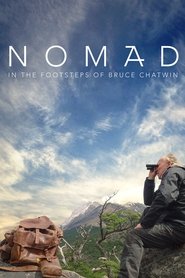
star 7When Bruce Chatwin was dying of AIDS, his friend Werner Herzog made a final visit. As a parting gift, Chatwin gave him his rucksack. Thirty years later, Herzog sets out on his own journey, inspired by Chatwin’s passion for the nomadic life, uncovering stories of lost tribes, wanderers and dreamers.Unearthed & Untold: The Path to Pet Sematary
2017
star 6.7This documentary is a detailed look into the making of PET SEMATARY, one of the most enduring cult-horror classics of our generation.Addicted to Sexting
2015
Addicted to Sexting
2015
star 3.8A look at the social-media phenomenon known as sexting, the process of sending sexually explicit photos via text messages or on the Internet, includes scandals it has caused as well as ways it can actually benefit healthy relationships.We Are X
2016
We Are X
2016
star 7.1As glam rock's most flamboyant survivors, X Japan ignited a musical revolution in Japan during the late '80s with their melodic metal. Twenty years after their tragic dissolution, X Japan’s leader, Yoshiki, battles with physical and spiritual demons alongside prejudices of the West to bring their music to the world.Sharknado: Feeding Frenzy
2015
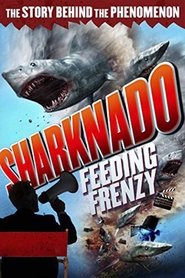
star 4.8What began as another Syfy creature feature has now become an important piece of pop culture - poised to take over the entire world.A Faster Horse
2015
A Faster Horse
2015
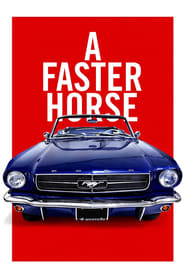
star 7.1David Gelb (Jiro Dreams of Sushi) tackles another venerable, beloved, and long-standing institution: the Mustang, crown jewel of the Ford fleet. Only this institution is in turmoil. As the fiftieth anniversary of the Mustang approaches and the car industry struggles through the deepest trough of the financial crisis, Ford launches a redesign. Now the jobs of workers at Ford’s Flat Rock Assembly Plant, the expectations of the thousands of Mustang devotees, and the livelihood of the city of Detroit are all placed squarely on the shoulders of Dave Pericak. As chief program engineer, he will guide the 2015 Mustang from assembly floor to showroom—if only he can get that vibration out of the steering wheel.Visitors
2013
Visitors
2013
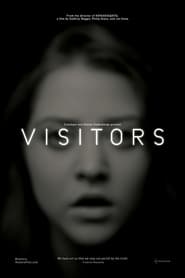
star 6.3From the director of KOYAANISQATSI, an astonishing film that documents the drama of how we both live and witness what we experience. Shot in rich black and white Godfrey Reggio's latest film finds the full spectrum of emotion in human faces, gorgeous landscapes and even the behavior of an especially expressive gorilla.Big Star: Nothing Can Hurt Me
2013
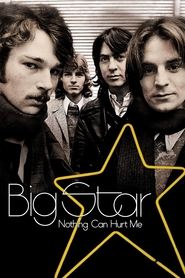
star 7.1Big Star: Nothing Can Hurt Me is a feature-length documentary film about the dismal commercial failure, subsequent massive critical acclaim, and enduring legacy of pop music's greatest cult phenomenon, Big Star.