Top Rated Documentary Movies on The Roku Channel - Page 26
All Services
Free Services
 Netflix
 Amazon Prime Video
 Apple iTunes
 Apple TV Plus
 Disney Plus
 Google Play Movies
 Paramount Plus
 Hulu
Hulu
 HBO Max
 YouTube
 fuboTV
 Peacock
 Peacock Premium
 Amazon Video
 The Roku Channel
 AMC+
AMC on Demand
AMC+
AMC on Demand
 Kocowa
 Hoopla
 The CW
 Vudu
Vudu
 Starz
Starz
 Showtime
 PBS
PBS
 Pantaflix
 FXNow
FXNow
 Tubi TV
 Kanopy
 Comedy Central
 Crunchyroll
 Microsoft Store
 Redbox
 Sun Nxt
 ABC
ABC
 DIRECTV
 Crackle
 Fandor
 Plex
Plex
Netflix
Amazon Prime Video
Apple iTunes
Apple TV Plus
Disney Plus
Google Play Movies
Paramount Plus
Hulu
HBO Max
YouTube
fuboTV
Peacock
Peacock Premium
Amazon Video
The Roku Channel
AMC+
AMC on Demand
Kocowa
Hoopla
The CW
Vudu
Starz
Showtime
PBS
Pantaflix
FXNow
Tubi TV
Kanopy
Comedy Central
Crunchyroll
Microsoft Store
Redbox
Sun Nxt
ABC
DIRECTV
Crackle
Fandor
Plex

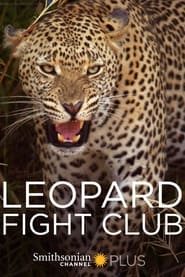
Leopard Fight Club
2013
Leopard Fight Club
2013
star 7.5Witness a remarkable coming-of-age story as we track a young leopard's journey from rookie to royalty in South Africa's lethal Big Five landscape. When we first meet Jack, he's clumsy, fearful, and weak, but he's a fast learner - and he'll need to be. He's destined for a showdown with the area's current leopard monarch, an alpha male with a real mean streak. We follow Jack as he hones his skills and builds up muscle for the ultimate catfight. It's a battle where only the winner will walk out alive.Atlantide
2022
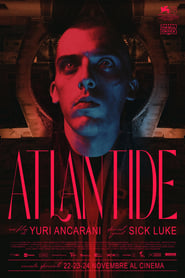
Atlantide
2022
star 7.1Daniele is a young man from Sant’Erasmo, an island on the edges of the Venice Lagoon. He lives on his wits, isolated even from his peer group who are busy exploring an existence of pleasure-seeking expressed in the cult of the barchino (motorboat). This obsession focuses on the building of ever more powerful engines to transform the little lagoon launches into dangerously fast racing boats. Daniele too dreams of a record-breaking barchino, one that will take him to the top of the leader board, but everything he does to further his dream and win respect from the others turns out to be tragically counterproductive. The decline that erodes the relationships, environment and habits of a rootless generation is observed from the timeless perspective of the Venetian landscape and its island outskirts: the point of no return is a foolish, vestigial tale of male initiation. Violent and destined to fail, it explodes dragging the ghost city along on a psychedelic shipwreck.Ten Dollar Death Trip: Inside the Fentanyl Crisis
2020
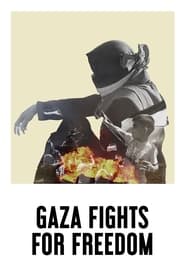
star 7.8The growing crisis of opioid addiction in North America is examined in this documentary that focuses on the cheap but potent synthetic drug fentanyl.Gaza Fights for Freedom
2019
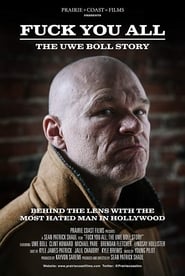
star 8Gaza Fights for Freedom depicts the ongoing Great March of Return protests in the Gaza Strip, occupied Palestine, that began in 2018.F. You All: The Uwe Boll Story
2018
star 6.7Honing his craft as an indie filmmaker in Germany in the early 90s, Uwe Boll never could have imagined the life that lay before him. From working with Oscar-winning actors and making films with US$60million budgets to having actors publicly disparage him and online petitions demanding he stop making films, Boll continued to work; he has a filmography of 32 features, a career that has led to his new life as a successful high-end restauranteur. Already a cult legend, he will be remembered forever in the film world; for some, as a modern-day Ed Wood, who made films so bad, they're good, while for others, a prolific filmmaker who came from a small town in Germany and never compromised his integrity while forging his own unique Hollywood trajectory.The Ghost of Peter Sellers
2018
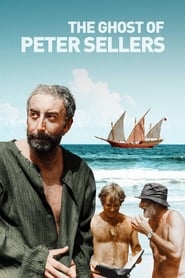
star 5.8A documentary about Peter Medak's unreleased film 'Ghost in the Noonday Sun', starring Peter Sellers and filmed in Cyprus in 1973.Wolfman's Got Nards
2018
Wolfman's Got Nards
2018
star 7.7A documentary that explores the power of cult film told through the lens of the Monster Squad and the impact it has on fans, cast and crew and the industry.Martin Luther: The Idea that Changed the World
2017
star 7The year 2017 marks the 500th anniversary of one on the most important events in Western civilization: the birth of an idea that continues to shape the life of every American today. In 1517, power was in the hands of the few, thought was controlled by the chosen, and common people lived lives without hope. On October 31 of that year, a penniless monk named Martin Luther sparked the revolution that would change everything. He had no army. In fact, he preached nonviolence so powerfully that — 400 years later — Michael King would change his name to Martin Luther King to show solidarity with the original movement. This movement, the Protestant Reformation, changed Western culture at its core, sparking the drive toward individualism, freedom of religion, women's rights, separation of church and state, and even free public education. Without the Reformation, there would have been no pilgrims, no Puritans, and no America in the way we know it.100 Men
2017
100 Men
2017
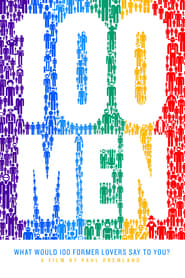
star 5Over the course of four decades, filmmaker Paul Oremland documented his romantic and sexual encounters with roughly one hundred men. He preserved nearly all of these detailed recollections and threaded them together in a portrait of a gay life.Making Apes: The Artists Who Changed Film
2019
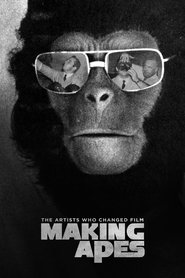
star 6.8Fifty years after its release, the special effects makeup team behind Planet of the Apes reflect on making the iconic film.Legion of Brothers
2017
Legion of Brothers
2017
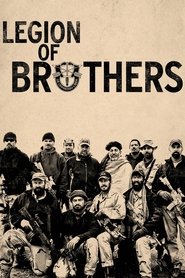
star 6Afghanistan, immediately post-9/11: Small teams of Green Berets arrive on a series of secret missions to overthrow the Taliban. What happens next is equal parts war origin story and cautionary tale, illuminating the nature and impact of 15 years of constant combat, with unprecedented access to U.S. Special Forces.Southwest of Salem: The Story of the San Antonio Four
2016
star 5.9In 1994, four women were accused, tried, and convicted of the heinous sexual assault of two young girls—as one newscaster puts it, “the modern version of the witchcraft trials.” Twenty years later, the four women have maintained their innocence, insisting that the accusations were entirely fabricated, and borne of homophobic prejudice and a late-’90s mania about covens, cults, and child abuse.Code: Debugging the Gender Gap
2016
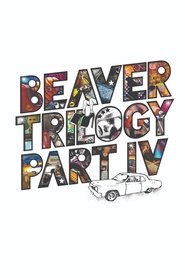
star 7.3At a time in the United States when the tech sector outpaces the overall growth of the employment market, CODE asks the important question: Where are all the women?Beaver Trilogy Part IV
2015
star 7.4A chance meeting in a parking lot in 1979 between filmmaker Trent Harris and a young man from Beaver, Utah inspired the creation of an underground film that is now known as Beaver Trilogy. But the film itself is only part of the story.Above and Beyond
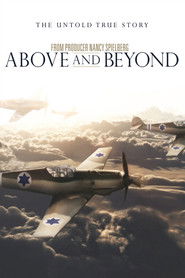
2015
Above and Beyond
2015
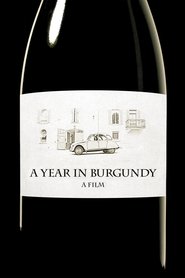
star 7.5In 1948, a group of World War II pilots volunteered to fight for Israel in the War of Independence.A Year in Burgundy
2013
A Year in Burgundy
2013
star 7.2This documentary follows seven wine-making families in the Burgundy region of France, delving into the cultural and creative process of making wine. You'll never look at wine the same way again.Buying Sex
2013
Buying Sex
2013
star 6.4Timely and wise, this feature documentary explores the state of prostitution laws in Canada. Buying Sex captures the complexity of the issue by listening to the frequently conflicting voices of sex workers, policy-makers, lawyers and even the male buyers who make their claim for why prostitution is good for society. Examining the realities in Sweden and New Zealand, and respecting the differences of ideology as Canada works its way toward an uneasy consensus, the film challenges us to think for ourselves and offers a gripping and invaluable account of just what is at stake for all of us.When Jews Were Funny
2013
When Jews Were Funny
2013
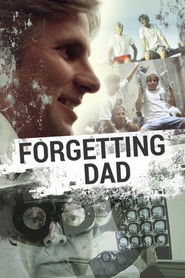
star 6.5From the 1930's to the 1970's, pretty well every comedian or comic you might see on TV or the movies was Jewish. Jews came to dominate the world of western‐society comedy on radio, stage and screen alike.Why did Jews dominate comedy in this period? And why did that domination end? Were Jews just funnier back then? And if so, did that extend to your average Jew on the street? In this 90 minute documentary acclaimed director Alan Zweig will examine these questions and many others in this exploration of 20th century humour, cultural decay, and a search for a missing heritage.Forgetting Dad
2008
Forgetting Dad
2008
star 6.2A man suffers a minor car accident, and a week later constructs a new identity, claiming he can't "remember" being a father. Nearly twenty years later, his amnesia persists, yet no brain damage or physical cause are ever found. Enthralling and thought-provoking, "Forgetting Dad" offers an award-winning case study of dissociation, parental abandonment, and family enmenshment in mental illness.Sky Above and Mud Beneath
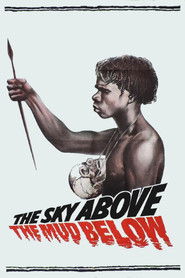
1961
star 5.5In September, 1959, six Europeans leave Cook's Bay on the southern coast of Dutch New Guinea, now West Papua or Irian Jaya, to trek north to the far side of the island. The journey (450 miles, as a crow flies) across unmapped territory took seven months; three Muyu porters died. Near both coasts, the expedition met villagers who invited them to observe rituals and live with them. In the interior, all villagers kept them at bay, and they depended on air lifts from Hollandia for food and supplies. They climbed above 10,000 feet, built 14 bridges, and fought leeches and malaria. The narrator focuses on describing Stone Age savages, headhunters, and cannibals.