Top Rated War Movies on The Roku Channel - Page 14
All Services
Free Services
 Netflix
 Amazon Prime Video
 Apple iTunes
 Apple TV Plus
 Disney Plus
 Google Play Movies
 Paramount Plus
 Hulu
Hulu
 HBO Max
 YouTube
 fuboTV
 Peacock
 Peacock Premium
 Amazon Video
 The Roku Channel
 AMC+
AMC on Demand
AMC+
AMC on Demand
 Kocowa
 Hoopla
 The CW
 Vudu
Vudu
 Starz
Starz
 Showtime
 PBS
PBS
 Pantaflix
 FXNow
FXNow
 Tubi TV
 Kanopy
 Comedy Central
 Crunchyroll
 Microsoft Store
 Redbox
 Sun Nxt
 ABC
ABC
 DIRECTV
 Crackle
 Fandor
 Plex
Plex
Netflix
Amazon Prime Video
Apple iTunes
Apple TV Plus
Disney Plus
Google Play Movies
Paramount Plus
Hulu
HBO Max
YouTube
fuboTV
Peacock
Peacock Premium
Amazon Video
The Roku Channel
AMC+
AMC on Demand
Kocowa
Hoopla
The CW
Vudu
Starz
Showtime
PBS
Pantaflix
FXNow
Tubi TV
Kanopy
Comedy Central
Crunchyroll
Microsoft Store
Redbox
Sun Nxt
ABC
DIRECTV
Crackle
Fandor
Plex

Calm at Sea
2012
Calm at Sea
2012
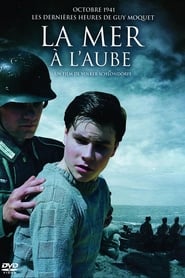
star 6.4October 1941. Eighteen months into France’s occupation by German troops, young Communist members of the Resistance shoot dead an officer of the German Army. In retaliation, Hitler demands the deaths of 150 Frenchmen, as 'retribution'. The targets are to be mostly young men believed to share the assassins’ political convictions. Most of these men are taken from an internment camp for opponents of the occupation; a 35-year-old French rural administrator is ordered to select the victims. Although the parish priest appeals to their conscience and moral sensibilities, both the German military and their French helpers slavishly follow their orders.King Naresuan Part: 2
2007
star 6.6Prince Naresuan is now the crown prince of Ayutthaya, and the king of Burma is dead. While the new Burmese king is waging war, the crown prince plots to assassinate Naresuan.Return to the Hiding Place
2011
star 6When a young resistance fighter witnesses atrocities towards the Jews, he's drawn into a web of espionage and clandestine activities. When he meets a young physics students and resistance journalist - Hans Poley - they embark on a hunt through underground tunnels, Gestapo hijacks and daring rescues.I Have Never Forgotten You: The Life & Legacy of Simon Wiesenthal
2007
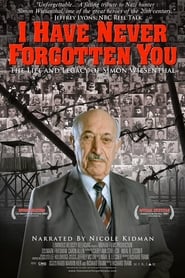
star 7.7"I Have Never Forgotten You" is a comprehensive look at the life and legacy of Simon Wiesenthal, the famed Nazi hunter and humanitarian. Narrated by Academy Award winning actress Nicole Kidman, it features interviews with longtime Wiesenthal associates, government leaders from around the world, friends and family members--many of whom have never discussed the legendary Nazi hunter and humanitarian on camera. Previously unseen archival film and photos also highlight the film. What was the driving force behind his work? What kept him going when for years the odds were against his efforts? What is his legacy today, more than 60 years after the end of World War Two?Convoy 48 The War Train
2019
star 5.3Yesterday's Leningrad schoolgirl Masha Yablochkina, after a fierce blockade winter of 1941-1942, comes to the railway courses hoping to survive and gain strength. From there, the girl is sent to the construction of the Shlisselburg highway, which connects the city with the mainland and is in direct sight of German artillery. So the heroine gets into the 48th locomotive column of the special reserve NKPS, which, at the cost of the deadly risk, will have to deliver 75% of all cargo and military equipment to Leningrad.War Comes to America
1945
War Comes to America
1945
star 7The seventh and final film of Frank Capra's Why We Fight World War II propaganda film series. This entry attempts to describe the factors leading up to America's entry into the Second World War.Genocide
1982
Genocide
1982
star 7.4The mass murder of Jewish people by the Nazi regime is chronicled, with a warning that anti-Semitism is on the rise and the events of the Holocaust could happen again. The history of European Jewish culture and events before and during the Holocaust are seen in newsreels, photographs, and animated segments. The words of the victims of the era are read, and footage from the liberation os a concentration camp is shown.USS Seaviper
2012
USS Seaviper
2012
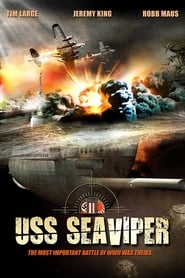
star 3.2Direct to DVD movie: The German U-Boat, U-234, from the Port of Kiel is trading cargo with the Japanese. USS Seaviper must locate and stop this dangerous exchange. The Captain of USS Seaviper must go ashore to conduct reconnaissance on an island near Sumatra, but the ship is left in the hands of Mister Cutter, after the Executive Officer is injured in battle. A conflict between Cutter and the Chief of the Boat puts the submarine in jeopardy. Seaviper is trapped below the surface, with decreasing oxygen, and a Japanese destroyer hunting them from above. Damage to the boat also leave her survival in question. They must fight the Japanese destroyer and get the information about U-235 back to Pearl Harbor.Resurrected
1989
Spring 1941
2007
Spring 1941
2007
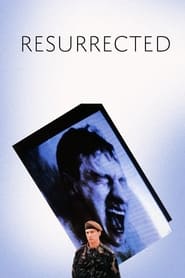
star 6.3After Germany invades Poland and the Nazis order the confinement of all local Jews in the ghetto, medical doctor Artur Planck (Joseph Fiennes) manages to flee with his family, seeking refuge at the farm of Emilia (Kelly Harrison), their former grocer. With the Planck family hiding in her attic, Emilia finds her feelings for the physician growing stronger than she wants, or can control -- despite the dangers of the situation.The Adventures of Tartu
1943
star 6.2British Captain Terence Stevenson (Robert Donat) accepts an assignment even more dangerous than his everyday job of defusing unexploded bombs. Fluent in Romanian and German and having studied chemical engineering, he is parachuted into Romania to assume the identity of Captain Jan Tartu, a member of the fascist Iron Guard. He makes his way to Czechoslovakia to steal the formula of a new Nazi poison gas and sabotage the factory where it is being manufactured.Janosik
2009
Janosik
2009
star 4.1The story of Janosik, a legendary "Central European Robin Hood", based on real XVIII century documents and a romantic legend. Young Janosik, burnt out by war experiences and disappointment in love, joins a team of brigands. Soon after he becomes the troop's leader and is recognized as a brave and honorable commander, he never kills anyone he robs. Along with the fame he starts enjoying popularity among women. But Janosik's success raises jealousy in one of the troop's members, greedy and brutal Huncaga.Foxhole
2021
Foxhole
2021
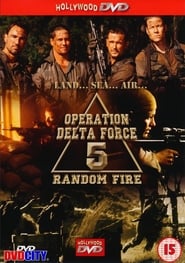
star 6.1Unfolding over the span of 36 hours in three separate wars – The American Civil War, World War I, and Iraq – FOXHOLE follows five soldiers confined in a foxhole as they grapple with morality, futility, and an increasingly volatile combat situation. Casting the same five actors in each episode, the film depicts the shifting roles of race and gender over time against the backdrop of the seemingly endless human struggle for power and domination. (Olivia Belluck)Operation Delta Force V: Random Fire
2000
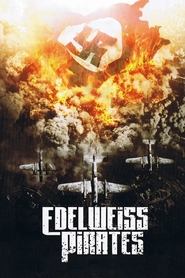
star 4.2The Delta Force team are brought in once again to deal with an evil villain in foreign lands.The Edelweiss Pirates
2004
star 5.2Cologne towards the end of the Second World War. The city is in ruins, everyone is afraid, many are dead. It is a time of great inhumanity. Cologne’s young Edelweiss Pirates refuse to submit to the pressure of the Nazi regime. They fight with the Hitler Youth and scrawl anti-war propaganda on walls. Karl is an Edelweiss Pirate; his younger brother, Peter, is in the Hitler Youth movement. The two young men have been alone ever since their mother’s death in a bombing raid; their father is serving at the front, and their older brother, Otto, has been killed in action. Otto’s financée, Cilly, is doing her best to survive the war with her children. Carl is trying to help her.Greyhound Attack
2019
Greyhound Attack
2019
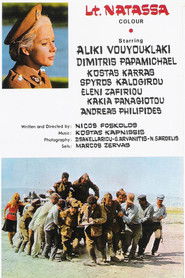
star 4.9WWII drama from film-maker Christopher Forbes which follows American fighter pilots on a perilous mission into the skies of enemy territory.Lieutenant Natassa
1970
Lieutenant Natassa
1970
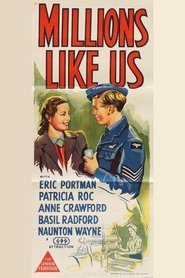
star 6.7The year is 1965. Natasa Arseni visits Dachau, the place where she was found by the Americans at the end of the World War II. She returns to Greece, and during the train ride she recalls those past events. Before the beginning of the Greek-Italian war, she met Orestis . With the German invasion, Orestis, who was an officer in the Greek army, left for the Middle East. She followed him and accompanied him back to occupied Greece on a mission. She was arrested, interrogated and tortured and was finally sentenced to execution.Millions Like Us
1943
Millions Like Us
1943
star 5.5When Celia Crowson is called up for war service, she hopes for a glamorous job in one of the services, but as a single girl, she is directed into a factory making aircraft parts. Here she meets other girls from all different walks of life and begins a relationship with a young airman.Operation Amsterdam
1959
Operation Amsterdam
1959
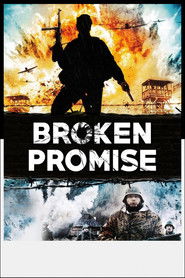
star 5.8When Germany invades Holland in 1940, a British intelligence officer and two Dutch diamond merchants go to Amsterdam to persuade the Dutch diamond merchants to evacuate their diamond supplies to England.Broken Promise
2009
Broken Promise
2009
star 6.2Slovakia, on the eve of the outbreak of World War II. The family of the young Jewish Martin Friedmann gathers to celebrate his bar mitzvah and make a solemn promise that they will all meet again a year later around the same table; but the storms of war and anti-Semitic fanaticism will lead each of them down very different paths.