Top Rated Animation Movies on Tub Tv - Page 391
All Services
Free Services
 Netflix
 Amazon Prime Video
 Apple iTunes
 Apple TV Plus
 Disney Plus
 Google Play Movies
 Paramount Plus
 Hulu
Hulu
 HBO Max
 YouTube
 fuboTV
 Peacock
 Peacock Premium
 Amazon Video
 The Roku Channel
 AMC+
AMC on Demand
AMC+
AMC on Demand
 Kocowa
 Hoopla
 The CW
 Vudu
Vudu
 Starz
Starz
 Showtime
 PBS
PBS
 Pantaflix
 FXNow
FXNow
 Tubi TV
 Kanopy
 Comedy Central
 Crunchyroll
 Microsoft Store
 Redbox
 Sun Nxt
 ABC
ABC
 DIRECTV
 Crackle
 Fandor
 Plex
Plex
Netflix
Amazon Prime Video
Apple iTunes
Apple TV Plus
Disney Plus
Google Play Movies
Paramount Plus
Hulu
HBO Max
YouTube
fuboTV
Peacock
Peacock Premium
Amazon Video
The Roku Channel
AMC+
AMC on Demand
Kocowa
Hoopla
The CW
Vudu
Starz
Showtime
PBS
Pantaflix
FXNow
Tubi TV
Kanopy
Comedy Central
Crunchyroll
Microsoft Store
Redbox
Sun Nxt
ABC
DIRECTV
Crackle
Fandor
Plex

Horn Dog
2009
Horn Dog
2009
star 6.6A plucky canine fends off an obese dog, attacking oysters, and a wayward killer violin bow, while trying to win the love of his heart's desire.200
1975
200
1975
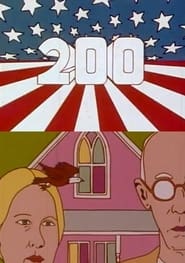
star 6.5A psychedelic animated short celebrating America's bicentennial. The film " provides a short, impressionistic history of the U.S. through famous American symbols, including the Statue of Liberty; the Woodstock logo; the Liberty Bell; and Mt. Rushmore. The symbols are layered on top of each other, as can be seen from a bald eagle hatching from a red, white, and blue egg and flying past the American Gothic farmers, the U.S. Capitol building, the Golden Gate Bridge, Abraham Lincoln’s cabin, and an American bison. The film was directed by Vince Collins" (US National Archives).Hair Piece: A Film for Nappy Headed People
1984
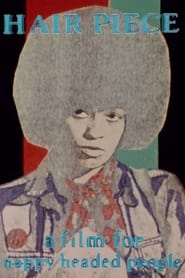
star 5.6An animated satire on the question of self-image for African American women living in a society where beautiful hair is viewed as hair that blows in the wind and lets you be free. Lively tunes and witty narration accompany a quick-paced inventory of relaxers, gels, and curlers. This short film has become essential for discussions of racism, African American cinema, and empowerment.Hot Dog
2008
Hot Dog
2008
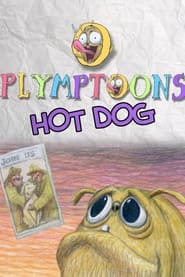
star 6.5The plucky hero joins a fire company to save the world and gain the affection he so richly deserves. However, the results never turn out the way he plans.Diary
1974
Diary
1974
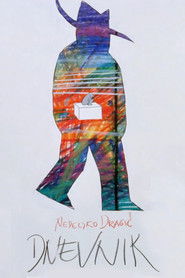
star 5.1Souvenirs, memories, nostalgia, alienation, the ephermal quality of life ...these are the subjects of this animated diary. The film is not made in the usual way (screenplay, storyboard) and was born at the moment when the author sat at his desk and began animating.Beach Flags
2014
Beach Flags
2014
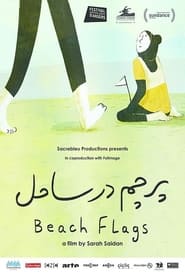
star 7Vida is a young Iranian lifeguard swimmer. Popular in her team, she is determined to fight in order to be the one to participate in an international competition in Australia. However, when Sareh, as fast and talented as her joins the team, she will have to face an unexpected situation.Flatland
1965
Flatland
1965
star 6.3A short, animated film based on Edwin Abbott's 1884 satirical novella, Flatland: A Romance of Many Dimensions.Taking the Plunge
2015
Taking the Plunge
2015
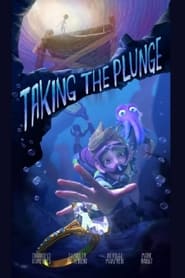
star 7.2When a young man's ideal marriage proposal is put in jeopardy he is forced to dive into unknown waters to salvage his plans...A Day in the Life of Chameko
1931
star 4.9Based on a hit song by child star Hideko Hirai from 1929, this gem -- a real historical curiosity -- provides glimpses of 1930s popular culture through introducing the typical life of a bright, energetic young girl. It contains an early product placement (for Lion Toothpaste), educational content and newsreel footage of Japan’s first woman Olympic medalist, Kinue Hitomi.Jona / Tomberry
2005
Jona / Tomberry
2005
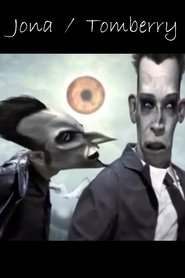
star 5.9Borges meets Murnau in a spinning nightmare. And the baby sings: “No, not be scared old bird, to awake and see I am dreaming you”.Peace, Love and Understanding
1992
star 5.4Beavis and Butt-head go to a monster truck rally, and end up buried in feces when a truck crashes through some port-a-potties which were the temple of Sterculius, the Roman God of feces.Phoenix: Space Chapter
1987
star 5.5This is the third part of "The Phoenix" series of the Kadokawa Haruki Office Co., Ltd. version. It is an animation version of the original story by Tezuka Osamu that depicts the cruelty of love through the fate of spacemen destined to drift through the universe after losing their mother ship..Cabaret
1981
Cabaret
1981
star 5.8Loosely inspired in some plays from the Spanish author Federico Garcia Lorca("The Puppet Play of Don Cristóbal", "The Billy-Club Puppets" and "Doña Rosita the Spinster"), this short does an incredibly job capturing all the poetry from those literary works, adding a new level of beauty to them by the art of puppetry and stop-motion animation. "Cabaret" starts as a bizarre comedy filled with many extravagances, then, it quickly evolves into a heart-breaking (But at the same time, captivating) tragedy, filled with a breathtaking lyricism that leads into a memorable ending, having some of the most beautiful lines that have been ever spoken in any animated film.The Eye & the Ear
1945
The Eye & the Ear
1945
star 4.8Four types of visual interpretation of four songs by Karol Szymanowski. Polish words by Julian Tuwin, English translation by Jan Sliwinski.Toonstone
2015
Toonstone
2015
star 8.2The story takes place in 1870 in the Wild West and revolves around a country musician named Dalton who takes a job as the sheriff of Toonstone to support his livelihood as he chases outlaws, aliens and his ultimate dream... his music.Pikachu, What's This Key?
2014
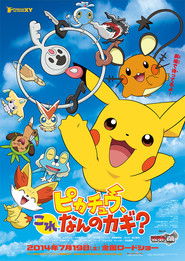
star 6Appearing before Pikachu and friends is the keyring Pokemon, Klefki. Inserting a mysteriously shaped key into the keyhole floating in the air, a very mysterious portal appears! Klefki has the key to go to various worlds. What kind of world will the key that Pikachu holds lead to?Oh! I Can't Stop!
1976
Oh! I Can't Stop!
1976
star 5.8A story of a monster which, moving at an enormous speed, devours whatever comes across on its way: people, animals, cars, buildings.The Musician and Death
1984
star 6.2A paraphrase on the folk tales about the outwitted Death. This one is a story of a folk musician who plays his violin so well that Death lights a new life candle for him.