Top Rated Documentary Movies on Tub Tv - Page 284
All Services
Free Services
 Netflix
 Amazon Prime Video
 Apple iTunes
 Apple TV Plus
 Disney Plus
 Google Play Movies
 Paramount Plus
 Hulu
Hulu
 HBO Max
 YouTube
 fuboTV
 Peacock
 Peacock Premium
 Amazon Video
 The Roku Channel
 AMC+
AMC on Demand
AMC+
AMC on Demand
 Kocowa
 Hoopla
 The CW
 Vudu
Vudu
 Starz
Starz
 Showtime
 PBS
PBS
 Pantaflix
 FXNow
FXNow
 Tubi TV
 Kanopy
 Comedy Central
 Crunchyroll
 Microsoft Store
 Redbox
 Sun Nxt
 ABC
ABC
 DIRECTV
 Crackle
 Fandor
 Plex
Plex
Netflix
Amazon Prime Video
Apple iTunes
Apple TV Plus
Disney Plus
Google Play Movies
Paramount Plus
Hulu
HBO Max
YouTube
fuboTV
Peacock
Peacock Premium
Amazon Video
The Roku Channel
AMC+
AMC on Demand
Kocowa
Hoopla
The CW
Vudu
Starz
Showtime
PBS
Pantaflix
FXNow
Tubi TV
Kanopy
Comedy Central
Crunchyroll
Microsoft Store
Redbox
Sun Nxt
ABC
DIRECTV
Crackle
Fandor
Plex

The Most Dangerous Man in Europe: Otto Skorzeny's After War
2020
star 6.7Waffen-SS officer Otto Skorzeny (1908-75) became famous for his participation in daring military actions during World War II. In 1947 he was judged and imprisoned, but he escaped less than a year later and found a safe haven in Spain, ruled with an iron hand by General Francisco Franco. What did he do during the many years he spent there?Bacurau no Mapa
2019
Bacurau no Mapa
2019
star 8Behind the scenes of Bacurau (2019)'s shooting and pre-production. With exclusive images, directors Kléber Mendonça Filho and Juliano Dornelles show how they made the film an audience and critical success.Wolfgang
2021
Wolfgang
2021
star 8An intimate portrait of the life and work of the original "celebrity chef" Wolfgang Puck.Night on Earth: Shot in the Dark
2020
star 6.1This look behind the scenes shows how worldwide camera crews climbed, dived and froze to capture the documentary's groundbreaking night footage.J.R.R. Tolkien and the Birth of "The Lord of the Rings" and "The Hobbit"
2004
star 5.7In a house in Oxford lived a remarkable man called J.R.R. Tolkien who told stories that thrilled the world. To this very day readers and film audiences are enjoying his magnificent epics “THE LORD OF THE RINGS” and “The Hobbit” – adapted to the big screen by producer, Peter Jackson. Although everybody has heard of Tolkien’s writing, very few people could tell you much about the man responsible for creating the best loved magical creatures that have become household names. This program will give you a real insight into the man behind the legends of “THE LORD OF THE RINGS,” and the people and places that shaped his unique literary genius. From the rolling English countryside to the sooty streets of Industrial Birmingham, the dreaming spires of Oxford to the World War I trenches of the blood soaked Somme; this is the story of the quintessential English College Professor who made epic mythology and legend accessible to one and all.After the Raid
2019
After the Raid
2019
star 5.5A large immigration raid in a small Tennessee town leaves emotional fallout as well as far-reaching questions about justice, faith and humanity.Sharks of Lost Island
2013
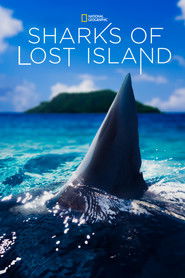
star 5.8A team of explorers set out to explore the sea and land of the remote Pitcairn IslandsPlayback
2019
Playback
2019
star 5.1In Córdoba, far from the Argentine capital, the end of a military regime promises a spring that is all too brief. “La Delpi” is the only survivor of a group of friends who are transgender women and drag-queens, who began to die of aids in the late 80s. In a Catholic and conservative city, the Grupo Kalas made their weapons and trenches out of improvised dresses and lip-syncing. Today the images of unique and unknown footage are not only a farewell letter, but a manifesto to friendship.Wild Session
2019
Wild Session
2019
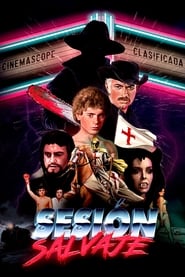
star 6.8A walk through the golden age of Spanish exploitation cinema, from the sixties to the eighties; a low-budget cinema and great popular acceptance that exploited cinematographic fashions: westerns, horror movies, erotic comedies and thrillers about petty criminals.Oliver Sacks: His Own Life
2021
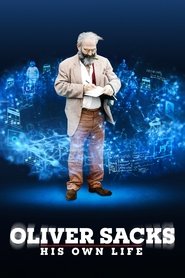
star 7.6Oliver Sacks: His Own Life explores the life and work of the legendary neurologist and storyteller, as he shares intimate details of his battles with drug addiction, homophobia, and a medical establishment that accepted his work only decades after the fact. Sacks was a fearless explorer of unknown mental worlds who helped redefine our understanding of the brain and mind, the diversity of human experience, and our shared humanity.Coup 53
2019
Coup 53
2019
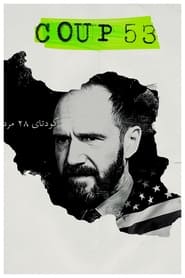
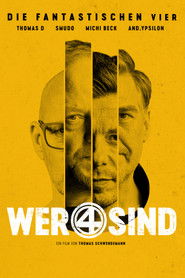
star 8Tehran, Iran, August 19, 1953. A group of Iranian conspirators who, with the approval of the deposed tyrant Mohammad Reza Pahlavi, have conspired with agents of the British MI6 and the US CIA, manage to put an end to the democratic government led by Mohammad Mosaddegh, a dramatic event that will begin the tragic era of coups d'état that, orchestrated by the CIA, will take place, over the following decades, in dozens of countries around the world.Wer 4 Sind
2019
Wer 4 Sind
2019
star 5.8What is the secret of Germany's most successful hip-hop band? What makes them different? How did they make their mark in German pop culture and develop over the years? A behind-the-scenes look at a band that has written German music history and continues to do so.Ella Fitzgerald: Just One of Those Things
2019
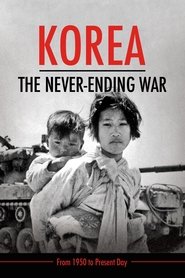
star 7.1Ella Fitzgerald was a 15-year-old street kid when she won a talent contest in 1934 at the Apollo Theatre in Harlem. Within months she was a star. Over the next six decades, her sublime voice would transform the tragedies of her own life and the troubles of her times into joy. JUST ONE OF THOSE THINGS retraces this extraordinary journey.Korea: The Never-Ending War
2019
star 7.8Shedding new light on a geopolitical hot spot, the film — written and produced by John Maggio and narrated by Korean-American actor John Cho — confronts the myth of the “Forgotten War,” documenting the post-1953 conflict and global consequences.Forman vs. Forman
2019
Forman vs. Forman
2019
star 7.7A moving account, in his own words, of the personal life and work of the brilliant Czech filmmaker Miloš Forman (1932-2018): his tragic childhood, his major contribution to the cultural movement known as the Czech New Wave, his exile in Paris, his troubled days in New York, his rise to stardom in Hollywood; a complete existence in the service of cinema.Leftover Women
2019
Leftover Women
2019
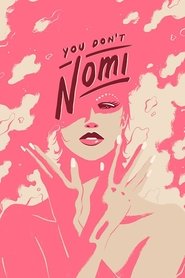
star 7.2In China, single women are under immense pressure to marry young or face the stigma that comes with being "leftover." Leftover Women follows three hopeful singles seeking to define love on their own terms.You Don't Nomi
2021
You Don't Nomi
2021
star 5.8Released in 1995, Paul Verhoeven's Showgirls was met by critics and audiences with near universal derision. You Don't Nomi traces the film's redemptive journey from notorious flop to cult classic, and maybe even masterpiece.I Am Maris: Portrait of a Young Yogi
2018
star 7.2At 17, Maris Degener is a yoga teacher, a writer, and a survivor. After suffering from anxiety, depression and life-threatening anorexia nervosa, Maris finds her own path to healing and self-acceptance. Through fearlessly authentic testimony, personal artwork and poetry, and a devoted yoga practice, she travels from despair to inspiration.Propaganda: The Art of Selling Lies
2019
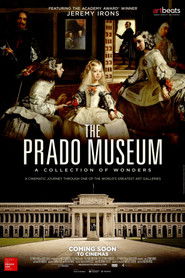
star 6.6From ancient cave paintings to Twitter feeds and deep fakes, propaganda's rapid progression hasn't compromised its potency. Tracing its effective use by religious figures, politicians and marketers, director Larry Weinstein crafts a persuasive study of the mechanics behind propaganda. This fascinating investigation confronts us with timely questions: If we grow up surrounded by propaganda, how do we know what is true? What risks are inherited by a society tricked into their perceptions? Freedom of speech is critical to a democracy's survival, yet demagogues have consistently exploited that freedom to coerce willing supporters. Contemporary artists, including Kent Monkman, Shepard Fairey and Ai Weiwei, analyze their politically motivated work, creatively co-opting the conventions of disinformation that have permeated their respective cultures. As our platforms for spreading ideas continue to expand in a digital age, dangerous lies have never been better disguised.The Prado Museum: A Collection of Wonders
2019
star 7.2Actor Jeremy Irons embarks on an epic journey through the halls of the Prado Museum in Madrid, Spain, two hundred years after its inauguration, along corridors where thousands of masterpieces of all time tell the lives of rulers and common people, and tales about times of war and madness and times of peace and happiness; because, as Goya said, imagination, the mother of the arts, produces impossible monsters, but also unspeakable wonders.