Top Rated Documentary Movies on Tub Tv - Page 321
All Services
Free Services
 Netflix
 Amazon Prime Video
 Apple iTunes
 Apple TV Plus
 Disney Plus
 Google Play Movies
 Paramount Plus
 Hulu
Hulu
 HBO Max
 YouTube
 fuboTV
 Peacock
 Peacock Premium
 Amazon Video
 The Roku Channel
 AMC+
AMC on Demand
AMC+
AMC on Demand
 Kocowa
 Hoopla
 The CW
 Vudu
Vudu
 Starz
Starz
 Showtime
 PBS
PBS
 Pantaflix
 FXNow
FXNow
 Tubi TV
 Kanopy
 Comedy Central
 Crunchyroll
 Microsoft Store
 Redbox
 Sun Nxt
 ABC
ABC
 DIRECTV
 Crackle
 Fandor
 Plex
Plex
Netflix
Amazon Prime Video
Apple iTunes
Apple TV Plus
Disney Plus
Google Play Movies
Paramount Plus
Hulu
HBO Max
YouTube
fuboTV
Peacock
Peacock Premium
Amazon Video
The Roku Channel
AMC+
AMC on Demand
Kocowa
Hoopla
The CW
Vudu
Starz
Showtime
PBS
Pantaflix
FXNow
Tubi TV
Kanopy
Comedy Central
Crunchyroll
Microsoft Store
Redbox
Sun Nxt
ABC
DIRECTV
Crackle
Fandor
Plex

The Devil's Bible
2008
The Devil's Bible
2008
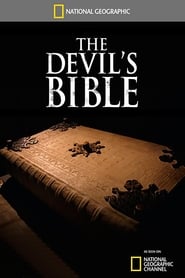
star 6At 165 pounds, and allegedly made from the skins of 160 donkeys, the Codex Gigas is the world's largest and most mysterious medieval manuscript. Filled with satanic images and demonic spells, according to legend, the cursed text sprang from a doomed monk's pact with the Devil. Now, Nat Geo follows a team of scientists as they embark on an unprecedented quest to unravel the secrets behind the book's darkened pages. Using ultra-violet fluorescence imaging, handwriting analysis and a re-creation of the text, forensic document experts attempt to uncover the cryptic truth behind this ancient Devil's Bible.The Man Nobody Knew: In Search of My Father, CIA Spymaster William Colby
2011
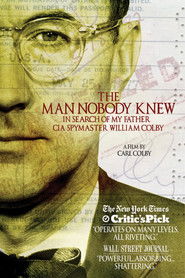
star 6.3A personal exploration into the life of America's controversial former CIA Director told through the eyes of his wife and filmmaker son, Carl. Through extraordinary events in twentieth century history, this consummate soldier/spy stood at the center of the Agency's most clandestine activities and operations. The film reveals the 'cover life' of this CIA operative, who followed orders and took on the dirtiest assignments until the Nixon Administration ordered him to 'stonewall' Congress about the CIA's past abuses, but he refused. This film reveals why, for the first time, he could not obey.Agenda: Grinding America Down
2010
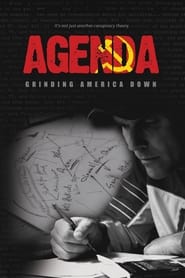
star 5.8When Idaho Legislator Curtis Bowers wrote a "letter to the editor" about the drastic changes in America's culture, it became the feature story on the evening news, people protested at the Capitol, and for weeks the local newspapers were filled with responses. He realized then... he'd hit on something. Ask almost anyone and you'll hear, "Communism is dead! The Berlin Wall came down." Thought the word communism isn't used anymore, this film will show the ideas behind it are alive and well. Join Bowers for a fascinating look at the people and groups that have successfully targeted America's morality and freedom in their effort to grind America down. It's a well documented AGENDA.Steve-O: Demise and Rise
2009
star 7.2A documentary of Steve-O’s downward spiral to when he ultimately hits rock bottom and is saved by the intervention of friends and his own will to do whatever it takes to get – and stay – sober.Public Telephone
1980
Public Telephone
1980
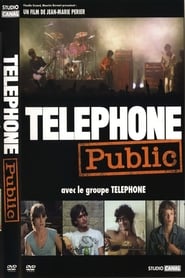
star 6.5Téléphone is a great success story in French rock: 300,000 albums sold in 1979. The group was born on December 16, 1976, at a surprise concert at the American Center in Paris. Four instrumentalists, four self-taught, four musicians untroubled by the successive waves of fashions from across the Atlantic and the Channel: Jean-Louis Aubert, singer and songwriter; Louis Bertignac, guitarist; Richard Kolinka, drummer; Corinne Marienneau, bassist. From titles: “Métro c'est trop”, “La bombe humaine”, “Crache ton venin”... Portraits and interviews, trances and crowd-pleasers at the Palais des Sports and the Fete de l'Humanité, a look behind the scenes. Jean-Marie Périer, with seven cameras in hand, now captures the phenomenon in a feature-length film. Camera movements, editing on a giant triple screen and Dolby Stereo sound all serve to highlight the quartet's harmony and vitality.David Bowie: Glass Spider
1988
star 8.4A chronicle of the eight shows held by the British singer David Bowie at the Sydney Entertainment Centre, Australia, in November 1987, during the Glass Spider Tour, in promotion of his album Never Let Me Down.The Thorn in the Heart
2009
star 5.9Michel Gondry chronicles the life of Gondry family matriarch, his aunt Suzette Gondry, and her relationship with her son, Jean-Yves.A Night in 67
2010
A Night in 67
2010
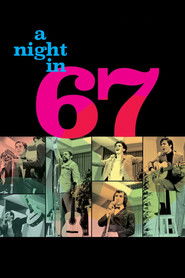
star 6.9In the 1970s, "festivals" were incredibly popular in Brazil, as they were recorded before a live studio audience, and usually featured a number of elimination rounds. They also formed the springboard for the career of many a big-name stars, such as Chico Buarque, Caetano Veloso, Roberto Carlos and Gilberto Gil. Appearing on such a program was no cakewalk, however: audiences could be as wild in their condemnation as in their appreciation of an artist. Extensive archive footage (including performances and behind-the-scenes interviews) from the turbulent final evening of the Festival of Brazilian Popular Music 1967 paints a fascinating picture, not only of the transformation of Brazilian music into real "festival" music, but also of a society starting to buck against the yoke of military rule.Morning Sun
2003
Morning Sun
2003
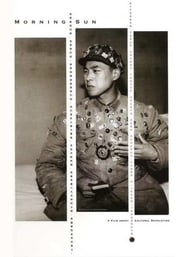
star 7.4The film Morning Sun attempts in the space of a two-hour documentary film to create an inner history of the Great Proletarian Cultural Revolution (c.1964-1976). It provides a multi-perspective view of a tumultuous period as seen through the eyes—and reflected in the hearts and minds—of members of the high-school generation that was born around the time of the founding of the People’s Republic of China in 1949, and that came of age in the 1960s. Others join them in creating in the film’s conversation about the period and the psycho-emotional topography of high-Maoist China, as well as the enduring legacy of that period.Living with Wolves
2005
Living with Wolves
2005
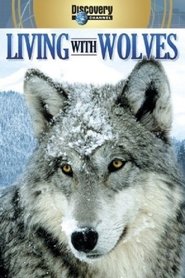
star 7Wolves have been demonized for centuries, blood thirsty beasts haunting our nightmares. We were determined to dispel this myth and show the true nature of wolves. Compassionate family animals, both playful and affectionate. For six years in a tented camp in the wilderness of Idaho, we lived among a pack of wolves, listening to them, earning their trust.Now in "Living With Wolves," we share more of the story of The Sawtooth Pack, first told in our two-time Emmy Award-winning documentary, Wolves at Our Door. Our own lives, brought together by a devotion to wildlife, were forever changed by these elusive, intelligent animals who accepted us. Overcoming forest fires, marauding mountain lions and sub-zero winters, we share with you a heart-warming and unique partnership of human and predator, built on trust and defying the storm of controversy surrounding the wolf.I'm from Hollywood
1989
I'm from Hollywood
1989
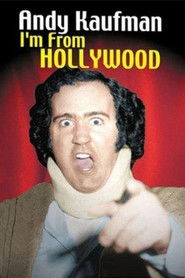
star 6.2I'm from Hollywood is about the adventures of late performance artist Andy Kaufman in the world of professional wrestling. This film includes interviews with Taxi co-stars Marilu Henner and Tony Danza and interviews with comedian Robin Williams, wrestler Jerry Lawler, wrestling commentator Lance Russell, and Kaufman's best friend, Bob Zmuda. Other people seen in the film include TV host David Letterman and Jimmy Hart of Continental Wrestling Association. The film's title refers to a phrase spoken by Kaufman to the Memphis wrestling audience.Bhutto
2010
Bhutto
2010
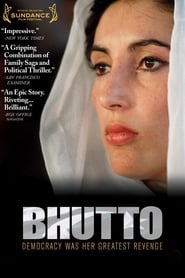
star 5.6BHUTTO is the definitive documentary that chronicles the life of one of the most complex and fascinating characters of our time. Hers is an epic tale of Shakespearean dimension. It’s the story of the first woman in history to lead a Muslim nation: Pakistan. Newsweek called it the most dangerous place in the world, and the home of nuclear war heads and the Taliban.Bonobos: Back to the Wild
2011
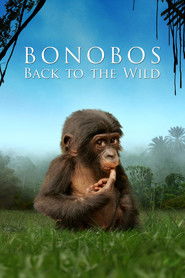
star 5.7The critically important work by renowned naturalist Claudine Andre to save the endangered bonobo apes of the Congo is presented in this visually stunning feature film.Square Grouper
2011
Square Grouper
2011
star 6.2A colorful portrait of Miami's pot smuggling scene of the 1970s, populated with redneck pirates, a ganja-smoking church, and the longest serving marijuana prisoner in American history.Pageant
2008
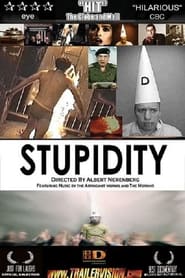
Stupidity
2003
Stupidity
2003
star 5.2An exploration into the nature of stupidity in Western society and its history of our perception of it.Thrilla in Manila
2008
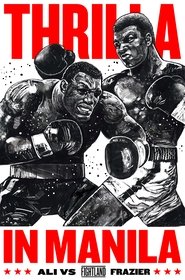
Thrilla in Manila
2008
star 7.8On October 1, 1975, World Heavyweight Boxing Champion Muhammad Ali was in the ring with his arch rival Joe Frazier for the third time. This fight in the Philippines, which has been nicknamed "Thrilla in Manila," is considered one of the most dramatic boxing matches in history - in the words of the voice-over, "They hated each other." With the help of archive material and eyewitness accounts (including Imelda Marcos), this documentary not only reconstructs the match, but shows us what was happening behind the scenes as well.Psywar
2010
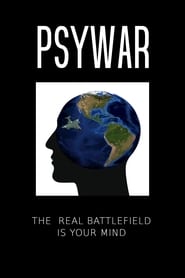
Psywar
2010
star 7This film explores the evolution of propaganda and public relations in the United States, with an emphasis on the elitist theory of democracy and the relationship between war, propaganda and class. Includes original interviews with a number of dissident scholars including Noam Chomsky, Howard Zinn, Michael Parenti, Peter Phillips (Project Censored), John Stauber (PR Watch), Christopher Simpson (The Science of Coercion) and others. A deep, richly illustrated study of the nature and history of propaganda, featuring some of the world’s most insightful critics, Psywar exposes the propaganda system, providing crucial background and insight into the control of information and thought.Enjoy Poverty
2009
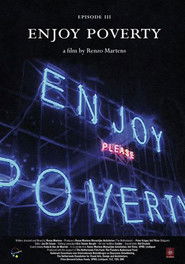
Enjoy Poverty
2009
star 6An investigation of the emotional and economic value of Africa's most lucrative export: filmed poverty. Deep in the interiors of the Congo, Dutch artist Renzo Martens single-handedly undertakes an epic journey and launches an emancipatory program that helps the poor become aware of what is their primary capital resource: Poverty. After three years of traveling through the Democratic Republic of the Congo he asks the question: "Who owns poverty?One Survivor Remembers
1995
star 6.4Co-produced by the U.S. Holocaust Memorial Museum Research Institute, this Academy Award-winning documentary relates the harrowing story of Gerda Weissmann Klein and her journey of survival and remembering both before and after the war.